How to Curate a Private Art Collection: A Complete Guide

A stunning taxidermy piece, acquired for its unique aesthetic, could secretly be a fire hazard due to combustible preservation liquids, a risk few collectors consider.

HC
Henry Caldwell

May 8, 2026 · 3 min read

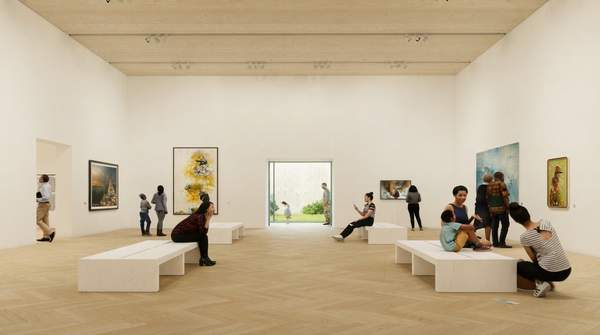
A sophisticated private art collection room featuring various artworks, including a taxidermy piece, with subtle lighting suggesting hidden complexities.

A stunning taxidermy piece, acquired for its unique aesthetic, could secretly be a fire hazard due to combustible preservation liquids, a risk few collectors consider. Chubb identifies this hidden danger, transforming a visually appealing acquisition into a potential liability.

Many collectors focus solely on art's visual appeal and emotional connection. However, a collection's long-term value and integrity hinge on understanding hidden material risks and crucial documentation. This tension often leads to unforeseen complications.

As the art market diversifies, collectors who fail to look beyond an artwork's surface are increasingly likely to encounter unforeseen financial losses or preservation challenges when curating a private art collection in 2026.

Cultivating Your Eye and Navigating the Market

Developing personal taste demands extensive exposure, observing recurring elements like materials, themes, or emotional tones, notes PEAK Singapore. Such exposure defines aesthetic preferences before market engagement.

At an art fair, a disciplined strategy is crucial: first, walk through without stopping; then engage on a second pass; finally, reflect before deciding. Essential inquiries include an artist's trajectory, a work's fit within their practice, and its relation to local narratives, as galleries often act as custodians of an artist's future. Such strategic inquiry implies that while personal taste is paramount, market engagement requires understanding an artwork's broader context and potential beyond mere visual appeal.

Beyond the Surface: Understanding Risks and Ensuring Longevity

Online art purchases carry specific risks, as buyers cannot physically inspect condition, Chubb reports. The absence of direct examination obscures material vulnerabilities, shifting discovery's burden to the collector post-acquisition.

Artwork with unique or ephemeral materials may be designed to change or disintegrate. For conceptual art, the certificate of authenticity and installation instructions are crucial; their loss can nullify the piece's entire value. Collectors must anticipate material changes and meticulously preserve both the intellectual and physical integrity of each acquisition, recognizing that an artwork's true longevity often depends on its accompanying documentation as much as its physical form.
Common Challenges for Aspiring Collectors

A significant challenge stems from the differing information priorities of galleries and collectors. While PEAK Singapore advises inquiries into an artist's trajectory and narrative, Chubb emphasizes critical material risks, such as combustible liquids in taxidermy and the necessity of certificates for conceptual art. The differing information priorities reveal a crucial gap: collectors often receive broad narrative context but must actively probe for specific material and documentary details. Galleries, as custodians of an artist's story, may not proactively disclose all material risks, compelling collectors to look beyond aesthetics and actively seek comprehensive information on an artwork's physical composition and essential documentation.

Expert Advice for a Lasting Collection

Chubb's insights into taxidermy fire hazards and the instability of ephemeral materials confirm that prioritizing visual appeal over an artwork's physical composition risks turning collections into liabilities. Without meticulous documentation, particularly certificates of authenticity for conceptual art, many modern collections remain merely decorative, stripped of inherent value. Building a resilient collection demands proactive measures and continuous learning, recognizing that an artwork's longevity and worth are inextricably linked to its material integrity and complete provenance.

Frequently Asked Questions

What are the steps to starting an art collection?

Begin by defining your collecting goals, whether for investment, aesthetic enjoyment, or historical preservation. Research art periods, movements, and artists that resonate with your interest, then visit museums and reputable galleries to refine your focus and learn about market practices.

How do I choose art for my collection?

Selecting art involves a balance of personal connection and informed judgment. Consider the artwork's provenance, its condition, and its significance within the artist's oeuvre. Seek advice from art advisors or conservators to assess long-term stability and value.

What is the best way to display a private art collection?

Proper display balances aesthetic presentation with preservation. Ensure artworks are protected from direct sunlight, extreme temperature fluctuations, and humidity. Use appropriate hanging systems and consider professional installation to prevent damage and enhance visibility.

If collectors in 2026 fail to prioritize rigorous material assessment and meticulous documentation alongside aesthetic appeal, their private art collections are likely to face significant financial depreciation and unforeseen preservation challenges.