What drives the cost of bespoke couture craftsmanship materials and design?

A single bespoke gown can require hundreds of hours of patternmaking and fitting before a single stitch of the final fabric is even cut, according to couture atelier records.

VL
Victoria Laurent

April 21, 2026 · 5 min read

A detailed view of a haute couture atelier, showcasing luxurious fabrics, design sketches, and a partially completed gown, highlighting the intricate craftsmanship involved.

A single bespoke gown can require hundreds of hours of patternmaking and fitting before a single stitch of the final fabric is even cut, according to couture atelier records. This fixed, non-scalable investment in design and development labor significantly drives the cost of bespoke couture craftsmanship. Custom haute couture pieces, starting from $10,000 and often exceeding $100,000, absorb these costs entirely in one or a few garments, unlike ready-to-wear where design expenses amortize across thousands of units, as reported by luxury fashion analysis and an industry economics report. Consumers often perceive garment costs as primarily material-driven, yet a significant portion of bespoke couture's expense stems from these fixed, upfront design and development investments. This fundamental difference defines the bespoke couture market by its high entry barriers and premium pricing, appealing exclusively to those who value unique artistry over scalable production efficiencies.

Defining Bespoke Couture Costs

Material expenses for a bespoke garment vary with quality and quantity, according to Successfulfashiondesigner. However, design and development costs, like patternmaking, are fixed; a single bespoke item carries the entire burden of these upfront investments. Highly skilled labor, involving unique pattern creation, precise cutting, and meticulous hand-finishing, is essential, as detailed by a crafts council study. The sourcing of rare fabrics and embellishments also significantly impacts material costs, according to a luxury market report. Bespoke costs are thus a blend of highly variable material inputs and significant, non-scalable fixed investments in unique design and expert labor. Brands aiming to reduce bespoke costs by solely focusing on material procurement will overlook the primary expense driver: the non-scalable, upfront investment in unique design and development.

The Hidden Labor in Every Stitch

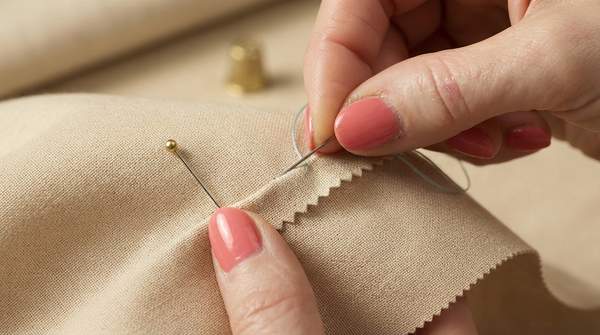
Patternmaking for a unique design can take dozens to hundreds of hours, requiring specialized skills and multiple iterations, according to a fashion school curriculum. This ensures a flawless foundational structure before fabric is cut. Multiple fittings demand significant designer and tailor time for a perfect fit, as outlined in a bespoke atelier guide. Intricate hand-embroidery or specialized finishing techniques add hundreds of hours of skilled labor, as revealed in a couture artisan interview. The initial design sketch and conceptualization, including fabric research, represents substantial creative labor, often seen in designer portfolios. This extensive, highly specialized human labor in every stage of bespoke design and creation is a primary, non-negotiable cost factor. The exclusivity and high price of bespoke couture are less about the intrinsic value of rare materials and more about the unamortized intellectual and manual labor dedicated to a single, unique creation.

Materiality: Beyond the Fabric Price Tag

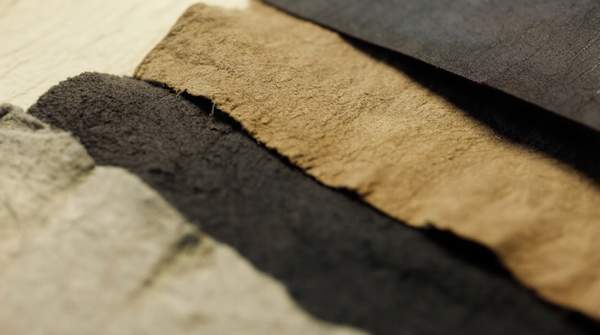
Rare and exotic fabrics, like specific silks or unique leathers, command higher prices due to scarcity and specialized production, according to a luxury market report. These materials often undergo complex manufacturing processes, contributing to their premium. Embellishments such as hand-sewn beads, intricate embroidery, or custom hardware also add substantial material cost, frequently sourced from specialized suppliers, as noted in a couture artisan interview. The quantity of fabric required for a single bespoke garment can be surprisingly high, due to complex cuts, precise pattern matching, and allowances for multiple fittings, as observed in master tailor notes. Sourcing ethical or sustainable materials often incurs a premium due to specialized production processes and certifications, according to a sustainability report. Material costs in bespoke couture thus encompass rarity, intricate embellishments, and the extensive process of achieving perfection, not just raw fabric price.

Why Bespoke Costs Matter to the Consumer

The high cost of bespoke couture ensures exclusivity and a garment perfectly tailored to an individual's unique measurements and aesthetic preferences, as highlighted by a luxury consumer survey. This personalization is unattainable in mass production. Investing in bespoke couture supports traditional craftsmanship and the preservation of specialized artisan skills, according to a cultural heritage foundation. Many bespoke garments are considered heirloom pieces, designed for longevity and timelessness, justifying a higher initial investment, according to fashion historian analysis. Understanding these intricate costs helps consumers appreciate the artistry and labor involved, fostering a deeper connection to the garment's creation, as noted by a consumer education initiative. For the discerning consumer, the high cost of bespoke couture translates into unparalleled quality, individuality, and a direct contribution to preserving artisanal heritage.

Common Questions on Couture Pricing

Why is a custom dress so much more expensive than a designer ready-to-wear dress?

A custom dress is significantly more expensive because its design and development labor, including patternmaking and fittings, are absorbed entirely by a single garment. In contrast, for ready-to-wear, these fixed costs are amortized across thousands of units, drastically reducing the per-item cost. This fundamental difference makes custom pieces a unique investment.

Do material costs always outweigh labor costs in bespoke?

No, material costs do not always outweigh labor costs in bespoke couture. The fixed, upfront investment in design and development labor, such as patternmaking and extensive fittings, often represents the disproportionate cost driver, especially since these costs are not amortized across multiple items. While luxurious materials contribute, the intellectual and manual labor is paramount.

Can I reduce bespoke costs by providing my own fabric?

Providing your own fabric might reduce the material procurement cost for the atelier, but it typically does not significantly lower the overall bespoke price. The majority of the expense stems from the designer's non-scalable labor in design, patternmaking, and fittings. Additionally, designers may charge a handling fee or have specific quality requirements for client-supplied materials.

The Enduring Value of Bespoke

The fundamental cost drivers of bespoke couture—unique design development and premium, variable materials—remain constant, as confirmed by an industry trend report. As mass production becomes more commoditized, the value of true bespoke craftsmanship may even increase, according to an economic forecast, highlighting a growing appreciation for artisanal skill. Clients increasingly seek transparency in pricing to understand artisan labor and material sourcing, as observed by a consumer advocacy group. The future of bespoke couture lies in balancing tradition with sustainable practices and transparent pricing, as discussed at a fashion innovation summit, ensuring its continued relevance. By 2026, leading ateliers like Chanel and Dior will likely continue to emphasize the meticulous handcraft and unique design hours in their collections, affirming that skilled labor remains the primary driver of their exclusive pricing.