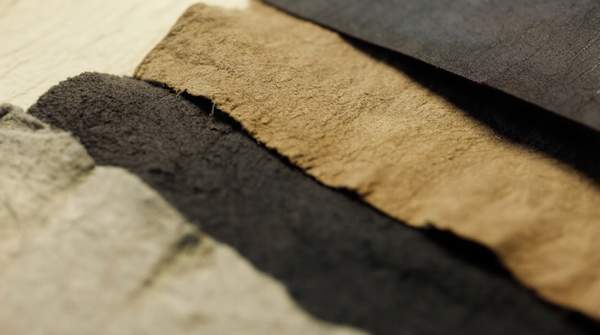
Each year, Europe destroys between 264,000 and 594,000 tonnes of textiles, representing 4-9% of all products introduced to the market, according to the European Environment Agency (EEA). This stark reality clashes with a European textile sector generating €167 billion in turnover, where millions of tonnes of unsold and returned clothing are routinely discarded. From 19 July 2026, large companies will be prohibited from destroying unsold clothes, accessories, and footwear, as reported by Tradebe.
This legislative shift compels brands to embrace sustainability and circularity through innovative inventory management, repair, and recycling, or face severe financial and reputational repercussions, according to europarl. The impending EU ban will particularly challenge fast fashion's business model, exposing the unsustainable core of high online return rates, while luxury brands may find adaptation simpler due to their established operational models.
The Hidden Waste of Unworn Goods
The average share of unsold textile products is 21%, according to the European Environment Agency (EEA). While Europe's overall textile destruction rate is 4-9%, this 21% figure reveals a systemic inefficiency: a significant portion of new textiles never reaches consumers. Existing methods for managing excess inventory are insufficient, particularly when considering the drastic difference in destruction rates between general unsold inventory and online returns.
Why So Much Is Destroyed: The Returns Problem
Online shopping's convenience directly fuels a disproportionate amount of textile waste. The average return rate for clothing bought online in Europe is 20%, according to the European Environment Agency (EEA). A critical EEA finding reveals that 22-43% of all returned online clothing is destroyed. The figure of 22-43% of all returned online clothing being destroyed is drastically higher than the overall destruction rate for all textile products, exposing an acute waste problem within e-commerce reverse logistics. Companies heavily reliant on e-commerce face an immediate, costly challenge to re-engineer their reverse logistics, as simply reselling returned items is clearly not the current practice.

Luxury Brands Lead the Shift
Luxury brands are already adapting to regulatory changes and evolving consumer expectations. Chanel, for instance, has ceased destroying unsold goods, according to TheIndustry Fashion. While destruction once maintained exclusivity, the new regulatory environment demands a re-evaluation. Luxury brands, with their higher price points and smaller production runs, hold an inherent advantage in adapting, often possessing established repair services and robust quality control that facilitate resale or recycling. Fast fashion giants are left with a far more complex and expensive supply chain overhaul, as they confront the need to manage vast volumes of lower-priced, returned items.
The Road Ahead for Retailers
The impending ban compels companies to invest heavily in inventory optimization, repair services, and recycling infrastructure. Retailers must develop sophisticated systems to forecast demand, minimize overproduction, and reduce unsold goods from the outset. Robust repair and refurbishment programs will become essential to extend product lifespans, while advanced recycling technologies will manage textiles that cannot be resold or repaired, ensuring materials re-enter the production cycle. Brands failing to invest in robust circular economy models now are effectively burning future profits and risking significant reputational damage. By July 2026, companies like LVMH, already known for quality and some repair services, will likely expand these offerings to meet the new regulatory landscape and consumer expectations.
Your Questions Answered
What are the new EU regulations on unsold goods?
Effective from 2026, new EU regulations ban the destruction of unsold clothes, shoes, and accessories by large companies. This measure promotes a circular economy, reducing textile waste and encouraging brands to find alternative uses for excess inventory, such as donation, recycling, or repair.
How will the EU ban affect luxury brands in 2026?
Luxury brands are generally better positioned to adapt to the EU ban due to lower production volumes, higher product value, and an existing emphasis on quality and longevity. Many already offer repair services or established channels for managing unsold goods, minimizing their reliance on destruction.
Are luxury brands allowed to destroy unsold items in 2026?
From 2026, large luxury brands will not be permitted to destroy unsold items. However, the ban includes a phased implementation: micro and small enterprises are permanently exempt, while medium-sized enterprises benefit from a six-year derogation, according to europarl. The immediate impact primarily targets larger corporations.