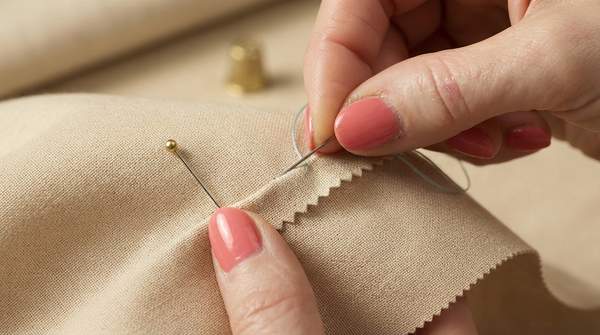
The global bespoke tailoring market is projected to grow from USD 2.68 billion in 2024 to USD 4.66 billion by 2033, even as some tailors deliver custom garments in days, not months. Strong consumer demand for personalized apparel that offers both precision and promptness is signaled by the expansion in luxury fashion. Traditionally, bespoke tailoring meant painstaking, months-long craftsmanship. Now, technological advancements and regional practices enable significantly faster delivery times, challenging this long-held premium on meticulous processes. The industry is poised to expand its appeal beyond ultra-luxury, trading traditional lead times for broader market accessibility and efficiency, reshaping expectations for high-end customization.
The Essence of Bespoke: Unparalleled Customization
Bespoke tailoring involves drafting a unique pattern for each customer, multiple fittings, hand craftsmanship, and high customization, as highlighted by Jesseandson. A commitment to individual patterns and extensive handwork elevates bespoke above mass-produced garments. The process ensures each piece is a precise extension of the wearer's physique and personal style, a hallmark of true luxury. A meticulous approach guarantees a garment that conforms perfectly to the individual's form, a level of fit unattainable through standard sizing.
The Meticulous Journey of a Bespoke Garment
A bespoke tailor measures the circumference of the chest, waist, back, and seat, as well as the length and circumference of both legs and arms, according to Gentleman's Gazette. Such granular measurements are fundamental to achieving the individualized fit that defines bespoke tailoring. The initial consultation and subsequent fittings allow for continuous refinement, ensuring the garment evolves with the client's preferences and the tailor's expert eye. Precision stands in stark contrast to off-the-rack options, where garments are designed for average body types, often requiring compromises in fit.
Overcoming Traditional Constraints: Speed and Efficiency
Thai tailors can deliver garments within 2-5 days, a stark contrast to the 4-8 weeks typical for European tailoring, according to Jesseandson. Regional efficiency shows that lengthy timelines are not universal. The rapid 2-5 day turnaround suggests the industry is segmenting: a 'fast bespoke' tier is emerging, challenging the premium traditionally placed on months-long waits and potentially disrupting established European houses. Acceleration in delivery times shifts consumer expectations, making efficiency a new metric of luxury, alongside precision and personalization.