The Dyson HushJet Mini Cool fan, weighing just 212g, packs a brushless DC motor spinning at 65,000 RPM to deliver 55mph of cool air for just $99.99, according to Gear Patrol. This compact device challenges the traditional ideal of luxury home technology, which often implies expensive, integrated whole-home systems. Yet, the cutting edge of performance and innovation increasingly resides in portable, standalone devices. Consumers are likely to favor high-performance, specialized gadgets offering immediate utility and portability over complex, fully integrated smart home ecosystems, thereby redefining 'luxury tech'.
What are the latest smart home trends for 2026?
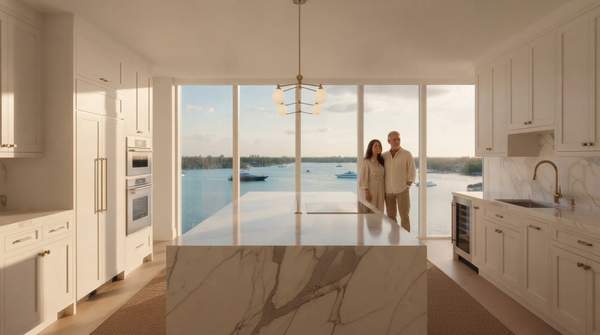
HGTV's 2026 Smart Home in Orlando showcases extensive indoor-outdoor integration, multi-screen entertainment, and smart glass, according to Residential Tech Today. Aqara's Thermostat Hub W200 further exemplifies this trend, integrating HVAC management, presence sensing, and smart home control. These systems emphasize centralized command. This aspirational vision of sprawling, integrated installations from media outlets like HGTV contrasts sharply with the market's growing demand for specialized, high-performance portable devices. Innovation now pushes towards accessible, focused utility.
Is technology changing luxury living in 2026?
Portable devices like the Dyson HushJet Mini Cool exemplify this shift. Its brushless 65,000-RPM DC motor delivers 55mph of cool air for $99.99, offering elite engineering without complex installation, Gear Patrol reported. Similarly, Polaroid's Hi-Print 3x3 produces instant 3x3-inch prints, providing a specific, high-quality experience on demand, Gear Patrol stated. This bifurcates the luxury tech market: one segment seeks seamless whole-home control, while another prioritizes singular, premium experiences from specialized devices. Companies pushing expensive, fully integrated systems risk being outmaneuvered by agile innovators like Dyson, who deliver elite performance in portable devices at a fraction of the cost. This growing disconnect between traditional luxury marketing and actual market innovation challenges established notions of a 'smart' or 'luxury' home.