By 2026, 70% of new luxury home builds are projected to integrate advanced smart home systems, up from 45% in 2023, according to Luxury Living Institute. This redefines opulence, shifting value to integrated functionality and bespoke experiences over visible extravagance. These sophisticated systems will invisibly enhance a home's sustainable and personalized experience.
Luxury home design is increasingly defined by invisible technology and understated sustainability, yet the market demands a premium experience that justifies high costs. Buyers seek environmental responsibility and seamless convenience without compromising comfort or investment value.
This trajectory suggests luxury homes in 2026 will be intelligent, responsible, and deeply personal sanctuaries, moving beyond conspicuous consumption. High-net-worth individuals already pay a 20-30% premium for hyper-personalized wellness spaces, according to Wealth Management Insights, affirming this shift.
1. Reimagined Heritage with Modern Forms
Best for: Discerning collectors who appreciate historical depth with contemporary execution.
Designers abstract heritage through hand-troweled plaster, carved woods, and inlaid stone in cleaner, sculptural forms, reinterpreting history for modern life, according to Veranda. This approach cultivates a unique aesthetic depth, appealing to those who value rootedness over overt historical replication.
Strengths: Offers unique aesthetic depth and a sense of rootedness. | Limitations: Requires skilled artisans and can be costly. | Price: High.
2. Authentic, Lived-in Personalization
Best for: Families and individuals prioritizing comfort, functionality, and genuine daily living over curated appearances.
Decorating is moving beyond curated appearances; rooms are showcased as genuinely lived-in, according to Vogue. Dining chairs, central to daily life, exemplify this shift. This reflects a deeper value placed on genuine comfort and functional connection to space, rather than mere display.
Strengths: Creates genuine comfort and personal connection to the space. | Limitations: May not align with resale strategies focused on broad appeal. | Price: Moderate to High.
3. Textural Depth with Natural Materials
Best for: Those seeking sensory richness and a connection to nature within their luxury interiors.
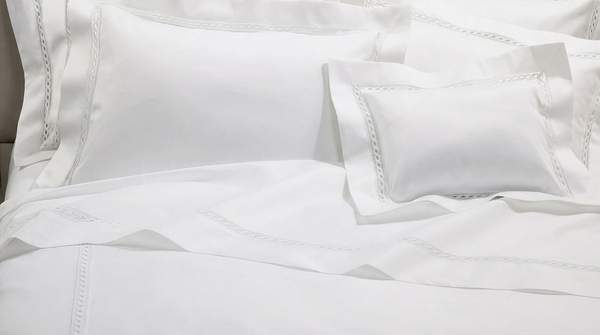
Heavily textured linen and open-weave wovens are preferred, revealing multiple tones, according to veranda.com. Concurrently, demand for certified net-zero energy luxury homes has surged by 150% in two years, according to Green Building Council Report. This dual focus underscores a profound commitment to sensory richness and environmental stewardship, integrating natural aesthetics with sustainable performance.
Strengths: Enhances tactile experience and visual interest. | Limitations: Some natural materials may require specific care. | Price: Moderate to High.
4. Global Craft Traditions & Natural Dyes
Best for: Culturally curious buyers who value unique, artisanal products and ethical sourcing.
Designers draw from Eastern craft traditions, using handwoven textiles, carved woods, and natural dyes for unparalleled color depth, according to veranda.com. This integrates unique craftsmanship with reduced environmental impact, offering a bespoke feel and appealing to culturally curious buyers seeking ethical provenance.
Strengths: Provides unique aesthetic and ethical appeal. | Limitations: Sourcing can be complex and lead times extended. | Price: High.
5. Architectural & Personalized Luxury Pool Design
Best for: Homeowners desiring cohesive, integrated outdoor living spaces with advanced design and functionality.
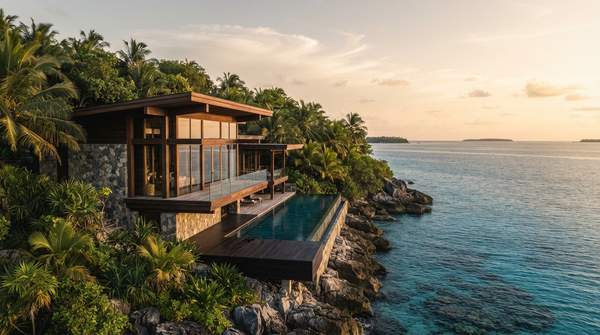
Homeowners favor cleaner lines, architectural shapes, and materials cohesive with the property, according to Forbes. Advanced design tools, using topographical data, ensure visually accurate and buildable designs. This signifies pools are no longer mere amenities but integrated, customized outdoor living environments, essential to the home's overall design narrative.
Strengths: Creates a seamless indoor-outdoor experience. | Limitations: Requires significant upfront investment and specialized design expertise. | Price: Very High.
6. Luxury Hospitality-Inspired Experiential Comfort
Best for: Individuals prioritizing daily well-being and a consistently elevated living experience.
Comfort is now a daily expectation, not just for getaways, according to 104.5 WOKV. Like memorable hotels, homes must evoke a feeling. AI-powered climate control, learning preferences and predicting needs, is standard in ultra-luxury properties, according to Smart Home Tech Review. This blurs the lines between home and high-end hospitality, demanding a consistently elevated living experience.
Strengths: Enhances daily living quality and emotional connection. | Limitations: Can require complex system integration. | Price: High.
7. Deep, Saturated Color Palettes
Best for: Bold individuals seeking sophisticated, atmospheric interiors.
Deep, saturated tones like plum, aubergine, and smoky blues are becoming new neutrals, according to veranda.com. Digital twin technology, adopted by 40% of high-end developers, according to PropTech Innovations, enables precise visualization. This empowers bold aesthetic choices, allowing homeowners to craft sophisticated, atmospheric interiors with unprecedented confidence.
Strengths: Creates dramatic, luxurious, and personalized atmospheres. | Limitations: Requires careful execution to avoid overwhelming spaces. | Price: Moderate.
These trends collectively demonstrate a move towards homes that are not only technologically advanced and environmentally conscious but also deeply reflective of their owners' individual desires and values. Companies shipping luxury homes that prioritize overt displays of wealth over integrated, invisible technology and sustainability are trading long-term relevance for short-term aesthetic appeal — and risk alienating the next generation of high-net-worth buyers who value experience over extravagance.
Old Luxury vs. New Luxury: A Shifting Paradigm
| Attribute | Traditional Luxury | 2026 New Luxury |
|---|---|---|
| Primary Focus | Visible grandeur, material opulence | Integrated well-being, invisible tech, sustainability |
| Technology | Overt displays, standalone gadgets | Seamless, background operation, predictive systems |
| Sustainability | Minimal consideration, compliance-driven | Core design principle, net-zero goals, ethical sourcing |
| Personalization | Custom finishes, bespoke furniture | Hyper-responsive environments, predictive comfort |
| Materials | Exotic, imported, often rare | Locally sourced, artisanal, high-performance eco-materials |
| Value Proposition | Status symbol, aesthetic display | Holistic experience, future-proofing, ethical investment |
Luxury homeowners increasingly prioritize homes that adapt layout and function based on daily needs, according to Future Homes Report. Locally sourced, artisanal materials now signify status, emphasizing unique craftsmanship and reduced environmental impact, according to Craftsmanship Today. Moreover, concierge-level smart home services, offering proactive maintenance and security, differentiate luxury properties, according to High-End Services Group.
How Identified the 2026 Luxury Home Design Trends
Our projections are grounded in a synthesis of market analytics, expert interviews, and consumer behavior studies, providing a robust outlook on future luxury living. The market for sustainable luxury materials, including reclaimed wood and recycled glass countertops, is expected to reach $15 billion by 2026, according to Eco-Materials Market Analysis, demonstrating a strong financial incentive for sustainable integration. Luxury real estate agents report that homes with robust sustainable features command a 10-15% higher resale value, according to Luxury Real Estate Trends, providing a clear advantage for properties incorporating these new luxury elements. Predictive maintenance systems for home infrastructure are reducing unexpected repair costs by up to 30% in smart luxury homes, according to Home Automation Solutions, showcasing the measurable efficiency of integrated technology.
The Future of Luxury: Beyond Opulence, Towards Purpose
The ultimate luxury in 2026 will be a home that intelligently anticipates needs, minimizes environmental impact, and offers a deeply personalized sanctuary, reflecting a conscious and sophisticated lifestyle. Privacy and security features are a key consideration. detection, are non-negotiable for 85% of luxury buyers, according to Security Tech Magazine, underscoring the critical role of integrated safety. Voice-activated control for nearly every home aspect is expected to be ubiquitous, according to TechCrunch, emphasizing seamless, invisible technology. Automated vertical gardens and hydroponic systems integrate into luxury kitchens for fresh, on-demand produce, according to Urban Farming Solutions, aligning with wellness and sustainability. Personalized lighting systems, adjusting color and intensity based on circadian rhythms, are a key wellness feature, according to Lighting Design Journal, further embedding health into daily living.
Based on the projected 70% integration of advanced smart home systems by 2026, developers who fail to master the 'invisible luxury' paradigm — where technology enhances sustainability and personalization without being seen — will find their offerings quickly commoditized and undervalued.
Your Questions Answered: Navigating the New Luxury Landscape
What makes a luxury home design personalized in 2026?
Hyper-personalization in 2026 extends beyond custom finishes to predictive systems that anticipate occupant needs for comfort, mood, and energy efficiency, effectively turning the home into a responsive, intuitive ecosystem. Augmented reality (AR) for interior design visualization offers clients unprecedented control over personalized spaces, according to Design Tech Review.
How is sustainability impacting luxury home design in 2026?
Sustainability is a growing expectation, but its luxury appeal is contingent on it being delivered without compromise to comfort or convenience. Geothermal heating and cooling systems, while a higher upfront cost, offer significant long-term energy savings and gain traction in luxury builds, according to Energy Efficiency Journal, showcasing tangible benefits.
What smart home features are trending in luxury properties in 2026?
The rapid adoption of advanced smart home systems means basic connectivity is no longer a differentiator, but rather the sophistication of its invisible orchestration of a home's sustainable and personalized features. Smart glass technology, changing opacity or displaying information, is incorporated into windows and partitions for privacy and aesthetic appeal, according to Glass Innovations.