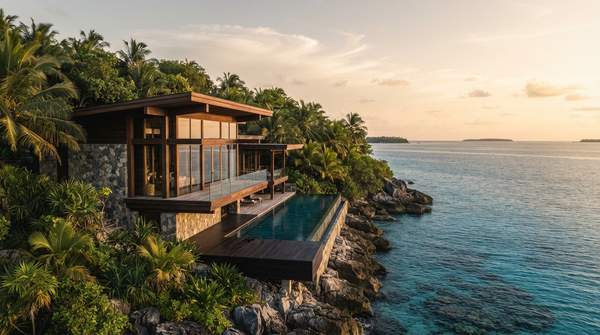
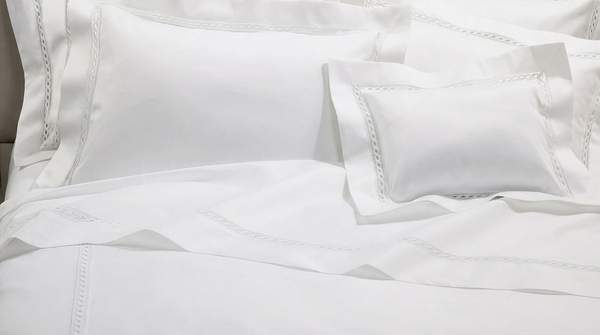
Quiet luxury is an interior design philosophy centered on timelessness, craftsmanship, and high-quality natural materials. It prioritizes restraint and substance over overt branding and fleeting trends, creating spaces that feel both sophisticated and deeply comfortable. According to the design studio House of Nuances, what is now labeled quiet luxury is a practice that serious European studios have followed for decades, emphasizing custom-made pieces over mass-produced items and natural materials over synthetic ones. The core idea is to move away from interiors defined by "visible brand signals" and toward spaces with an inherent, understated elegance.
This approach is about creating a calm, curated environment through deliberate choices. It involves selecting fewer, better things—pieces with simple silhouettes that do not chase trends and materials that age gracefully, as described by designer Katelyn Gilmour. The result is a space where items coordinate rather than strictly match, achieving a balance that feels intentional yet effortless.
Quiet Luxury vs. Minimalism: A Comparative Framework
A common misconception is to equate quiet luxury with minimalism. While both aesthetics value restraint, their foundational goals and resulting atmospheres are fundamentally different. Minimalism is a formal commitment to reduction and the use of negative space as an active design element. Quiet luxury, in contrast, is not focused on absence but on depth. As the team at House of Nuances explains, a quiet luxury room is "edited, not emptied." Understanding this distinction is crucial when communicating a design vision, as confusing the two can lead to a significant mismatch between expectations and the final result.
| Design Aspect | Quiet Luxury | Minimalism |
|---|---|---|
| Core Goal | To create a timeless, comfortable space using high-quality materials and craftsmanship, avoiding overt branding. | To achieve simplicity through reduction, focusing on only the most essential elements. |
| Use of Space | Emphasizes depth and layers of texture. Spaces are intentionally curated and feel complete or "edited, not emptied." | Characterized by absence and negative space. Spaces can feel stark or sparse as a deliberate aesthetic choice. |
| Materiality | Prefers high-quality, natural materials like wood, marble, and copper that develop a beautiful patina over time. | Often uses neutral materials that serve as a simple backdrop, without a specific emphasis on how they age. |
| Relationship with Objects | Involves choosing "fewer, better things" that are selected for their longevity, quality, and ability to age gracefully. | Focuses on the principle of reduction, paring down possessions to the absolute necessities. |
| Overall Feel | Aims for a settled, refined comfort that is both classy and effortless, making a space feel like a sophisticated home. | Cultivates an aesthetic of stark simplicity and deliberate emptiness, where each object is given visual weight. |