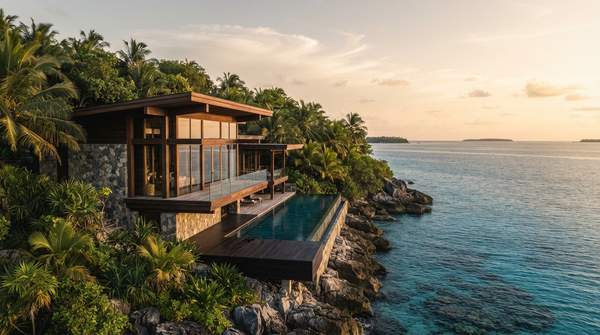
In 2023, ultra-luxury penthouses within Dubai's Palm Jumeirah developments recorded an astonishing 35% increase in price per square foot, significantly outpacing established global luxury hubs, according to Knight Frank. A concentrated flow of capital into markets prioritizing innovation and bespoke living experiences is reflected in the rapid appreciation.
Traditional luxury real estate markets, however, experience slower growth as emerging global cities redefine prestige. The definition itself shifts from sheer opulence to exclusivity, bespoke services, and unique experiences, according to a Wealth-X Report from 2023. A demographic shift, with the average age of ultra-luxury buyers decreasing by 5 years in the last decade (2016-2026) and younger tech and finance wealth now prominent, further drives this fundamental reassessment of value among ultra-wealthy buyers, as reported by the Knight Frank Wealth Report. The future of luxury real estate appears decentralized and highly personalized, with a premium placed on innovation and experiential living.
1. The Residences at Perigon, Miami
Best for: Tech entrepreneurs and innovators seeking beachfront exclusivity.
Located in Miami, this new development sold 70% of its units pre-construction, largely to tech entrepreneurs, according to Douglas Elliman. Its appeal lies in modern design and a vibrant, forward-thinking community.
Strengths: High pre-construction demand; appeal to a dynamic buyer demographic. | Limitations: Limited historical appreciation data for new builds. | Price: Starting from $5 million.
2. One Sydney Harbour, Australia
Best for: Asia-Pacific investors prioritizing landmark status and prime waterfront views.
The One Sydney Harbour development achieved record-breaking sales, with its penthouse selling for AUD$140 million, highlighting Asia-Pacific's rising influence, as reported by the Barangaroo Delivery Authority.
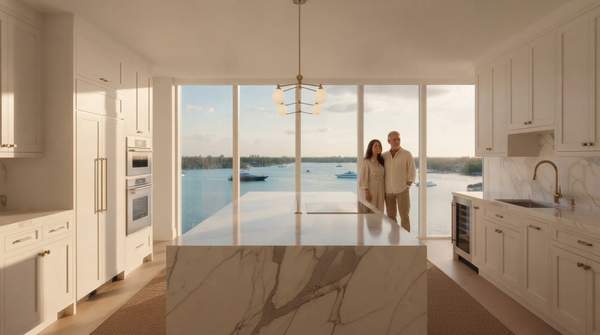
Strengths: Record-setting sales; strong regional market influence. | Limitations: High entry price point. | Price: Penthouse sold for AUD$140 million.
3. Mandarin Oriental Residences, Barcelona
Best for: Discerning buyers valuing a blend of European heritage and contemporary luxury services.
Slated for 2026, the Mandarin Oriental Residences in Barcelona attracts significant interest due to its blend of historic preservation and modern luxury, with units averaging €8 million, according to Colliers.
Strengths: Prestigious brand; blend of historic and modern appeal. | Limitations: European market dynamics can be slower. | Price: Units averaging €8 million.
4. St. Regis Residences, Longboat Key, Florida
Best for: Lifestyle-focused buyers desiring direct beach access and marine amenities.
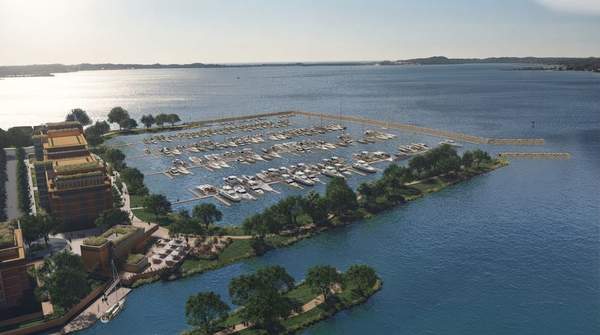
This Florida development offers private beach access and yacht slips, appealing to a lifestyle-focused luxury buyer, according to the Ritz-Carlton Residences.
Strengths: Direct beach access; exclusive yachting facilities. | Limitations: Geographic specificity. | Price: Not publicly disclosed.
5. Four Seasons Private Residences, Fort Lauderdale
Best for: Buyers seeking expansive outdoor living and oceanfront tranquility post-pandemic.
The Four Seasons Private Residences Fort Lauderdale emphasizes expansive outdoor living spaces and direct ocean views, catering to post-pandemic preferences, as noted by Fort Lauderdale Magazine.
Strengths: Focus on outdoor living; direct ocean views. | Limitations: May appeal to a niche buyer segment. | Price: Not publicly disclosed.
Beyond Square Footage: A Feature-by-Feature Look
| Development | Smart Technology | Wellness Integration | Sustainability Focus | Exclusive Services |
|---|---|---|---|---|
| The Residences at Perigon | High priority (60% buyers) | Advanced systems (85% top-tier) | LEED Platinum potential | Curated community events |
| One Sydney Harbour | High priority (60% buyers) | Advanced systems (85% top-tier) | Strong emphasis (75% developers) | Premium concierge |
| Mandarin Oriental Residences | Integrated solutions | Signature spa services | Historic preservation | Brand-managed luxury |
| St. Regis Residences | Modern systems | Private spa access | Eco-friendly design | Private beach/yacht concierge (15-20% premium) |
| Four Seasons Private Residences | Contemporary controls | Extensive outdoor wellness | Energy-efficient design | Personalized residential services |
Over 60% of buyers in new prestigious developments prioritize integrated smart home technology and advanced security systems, according to Christie's International Real Estate. Wellness amenities, including private spas, air purification systems, and biophilic design, are now standard in 85% of top-tier luxury projects, as stated by Luxury Portfolio International. Furthermore, sustainable building certifications, such as LEED Platinum, serve as a key marketing point for 75% of developers targeting the ultra-high-net-worth individual (UHNWI) market, according to the Global Green Building Council. These features are no longer mere additions but fundamental expectations, shaping buyer decisions. Developments offering private jet or yacht concierge services command a 15-20% price premium, as noted by Luxury Lifestyle Advisors. A clear trend towards integrated smart living, wellness, and exclusive concierge services as non-negotiable elements of modern luxury, directly influencing market value and buyer preference, is revealed by this collective data.
How We Defined 'Prestigious' for 2026
Our definition of 'prestigious' for 2026 prioritizes innovation, bespoke experiences, and global appeal. Developers increasingly partner with renowned architects and interior designers to create signature, limited-edition residences, as highlighted by Architectural Digest. Unique aesthetic and functional excellence is ensured by this collaboration. Online virtual tours and augmented reality experiences are now standard sales tools, influencing 40% of initial buyer interest, according to Luxury Real Estate.com. Global reach and immersive previews, critical for attracting the modern luxury buyer, are allowed by these digital tools. A significant portion of UHNWIs, 45%, diversify their luxury real estate portfolios across multiple global cities, according to the UBS Global Wealth Report. A strategic approach to wealth management and lifestyle choice is underscored by this diversification. the selection emphasizes forward-thinking design, market innovation, and global appeal, reflecting the evolving demands of the ultra-high-net-worth individual.
The New Geography of Luxury: What's Next?
London's historic Mayfair district saw a 10% decline in new ultra-luxury project launches between 2024 and 2026, according to Savills. Concurrently, traditional luxury markets like New York City and Paris are seeing slower absorption rates for new ultra-luxury inventory compared to emerging hubs, as reported by Sotheby's International Realty. These trends collectively suggest a re-evaluation of prime locations by the ultra-wealthy, indicating a measurable shift away from established hubs. Geopolitical stability and favorable tax regimes increasingly influence UHNWI investment decisions, according to Henley & Partners, driving capital towards regions offering both financial advantages and long-term security. The evidence suggests a continued shift in luxury real estate investment away from historically dominant cities towards regions offering greater stability, tax advantages, and modern lifestyle opportunities. India's Embassy Developments plans to invest $495 million in Mumbai luxury homes by 2026, demonstrating continued market confidence, according to a Reuters report from early 2026 reflecting this global redistribution of luxury capital.
Given the market's clear preference for properties integrating advanced technology and bespoke lifestyle amenities, and the astonishing 35% price per square foot increase in Dubai's Palm Jumeirah, established markets will likely need to fundamentally rethink their offerings to remain relevant to the next generation of ultra-wealthy buyers who prioritize innovation and experience over legacy.
Your Questions About Ultra-Luxury Real Estate, Answered
What new ownership models are gaining traction in luxury real estate?
Fractional ownership and branded residences are gaining traction in 2026, offering flexibility and access to luxury amenities without the full commitment of outright purchase, according to Residences by Marriott. These models appeal to buyers seeking diverse portfolios and global access to high-end living.
How are new luxury developments addressing environmental concerns?
New luxury developments are integrating advanced resilience features. For instance, the Waldorf Astoria Residences Miami is designed to be resilient.e hurricane-resistant and features advanced climate control systems, addressing significant environmental concerns, as noted by PMG Developers.