In the VTech data breach, hackers accessed highly intimate personal details, including children's photos, chat logs, names, genders, birthdates, account email addresses, passwords, secret questions, IP addresses, mailing addresses, and download history, according to Luxury Society. This incident exposed not just financial or demographic data, but highly sensitive communications and identifiers, revealing the profound depth of personal information at risk when companies collect data for 'personalized experiences'. The sheer volume and intimacy of the compromised data underscored the vulnerability inherent in extensive digital profiling, even by entities seemingly focused on benign consumer engagement.
Luxury brands are investing heavily in artificial intelligence (AI) and data analytics to create bespoke customer experiences. However, this increased data collection simultaneously exposes their affluent clientele to unprecedented privacy risks. The pursuit of hyper-personalization, fueled by extensive data collection, inadvertently transforms their most loyal customers into high-value targets for data breaches, fundamentally undermining the exclusive trust these brands cultivate.
While luxury brands gain efficiency and personalization capabilities through these technological advancements, they are also inheriting significant data security liabilities. These liabilities could lead to severe reputational damage and customer distrust if not meticulously managed. The imperative for enhanced customer understanding directly correlates with an elevated risk of exposing sensitive personal information.
The Allure of Hyper-Personalization
By analyzing available data, luxury brands can gain valuable insights to improve and personalize the customer experience, both online and offline, according to eTail East. This granular understanding allows brands to tailor interactions, predict future needs, and offer bespoke services that resonate deeply with individual preferences. Such deep data analysis is a cornerstone of the sophisticated customer journey that high-end consumers expect in 2026.
Big data allows luxury brands to analyze past purchases and website behavior to understand individual customers’ preferences, reports Business. This comprehensive profiling moves beyond simple transaction history, encompassing browsing habits, engagement with digital content, and even interactions across various touchpoints. The goal is to anticipate desires and deliver services that feel intuitively tailored, fostering a sense of exclusivity and recognition that reinforces brand loyalty.
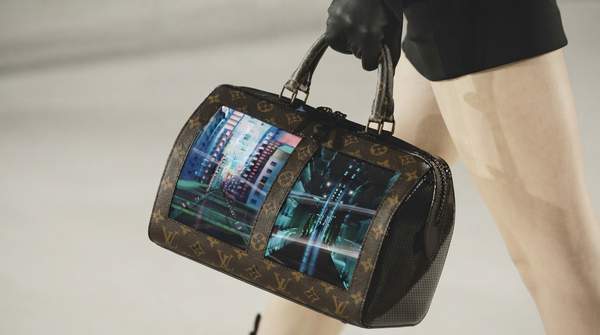
This deep understanding of individual preferences allows luxury brands to craft unique, highly relevant interactions, blurring the lines between digital and physical experiences to foster loyalty. The relentless drive to 'improve and personalize the customer experience' through deep data analysis is a double-edged sword for luxury brands, as a single breach of this sensitive information could irrevocably shatter the exclusive trust and discretion their affluent clientele expects.
Beyond the Customer: Streamlining Operations
Beyond direct customer interaction, big data also helps identify opportunities for automation, giving employees more time to focus on strategic work, according to Business.com. This internal efficiency translates into refined operational processes, from inventory management to supply chain optimization, ultimately enhancing the overall brand experience without direct customer involvement. Automating routine tasks frees up skilled personnel to engage in more creative and value-added activities, such as product development or bespoke client consultations.
Data's strategic value extends to optimizing internal processes, enabling brands to reallocate human capital to more creative and strategic endeavors. The operational benefits gained from data analytics contribute to the seamless, high-quality service that discerning luxury consumers expect. These efficiencies underpin the ability of luxury houses to maintain their exacting standards while scaling their global presence.
The Unseen Trade-Off: Privacy vs. Personalization
The pursuit of hyper-personalization, while offering clear benefits in customer experience, necessitates collecting deeply intimate customer data. This practice inadvertently transforms luxury clients into prime targets for sophisticated cyberattacks, as demonstrated by the VTech data breach where sensitive details like children's photos and chat logs were exposed, according to Luxury Society. The type of data collected for such personalization — including names, addresses, chat logs, and photos — is exactly what hackers target, meaning the quest for deeper customer understanding directly correlates with increased privacy exposure.
Companies that prioritize 'understanding individual customers’ preferences' via extensive data collection are making an implicit trade-off. They are exchanging enhanced customer insights for a significantly elevated risk of exposing their most valuable customers to unprecedented privacy violations. While data analysis improves customer experience and predicts needs, as highlighted by eTail East and Business.com, the VTech breach reveals the profound privacy risks inherent in collecting such extensive personal data.
While personalization offers clear benefits, the increasing depth of data collection inevitably introduces heightened privacy concerns and the risk of data breaches, challenging customer trust. The very data used to forge a bespoke, trusting relationship with luxury clients simultaneously creates a singular point of failure, where a breach could expose deeply personal information and shatter the exclusive bond built on perceived discretion and security.
Why Data Security is the New Luxury
For luxury brands, where trust, discretion, and exclusivity are paramount, safeguarding customer data is not merely a compliance issue but a fundamental aspect of their brand promise. The digital age has redefined the parameters of luxury, making robust data security a critical component of maintaining a premium image. A breach of sensitive customer information can erode years of brand building and loyalty, leading to irreparable reputational damage.
The affluent clientele of luxury brands expects an implicit level of security and discretion regarding their personal details. When brands collect intimate personal details like chat logs and photos, as seen in the VTech data breach, they are creating highly attractive targets for sophisticated cyberattacks. This heightened vulnerability demands a proactive and transparent approach to data governance, treating customer data protection with the same meticulous care applied to craftsmanship and product quality.
For luxury brands, where trust and exclusivity are paramount, safeguarding customer data is not merely a compliance issue but a fundamental aspect of their brand promise. The relentless pursuit of hyper-personalization, without an equally robust commitment to data security, risks transforming a competitive advantage into a significant liability. Brands must communicate their data practices clearly, ensuring customers understand how their information is used and protected.
Common Questions on Data-Driven Luxury
How can AI improve luxury customer service?
Beyond personalization, AI can enhance luxury customer service by providing virtual assistants capable of 24/7 support, answering complex queries, and even guiding customers through product customization. AI-powered tools can also analyze voice and sentiment during interactions, allowing human representatives to offer more empathetic and effective assistance. This ensures consistent, high-quality service, regardless of time zone or customer location.
How is AI transforming luxury supply chains in 2026?
In 2026, AI is transforming luxury supply chains by optimizing inventory management and predicting demand with greater accuracy, reducing waste and overproduction of exclusive items. It facilitates real-time tracking of high-value goods, ensuring authenticity and provenance, which are critical for luxury items. AI also helps identify potential disruptions in the supply chain, allowing brands to mitigate risks and maintain the timely delivery of bespoke products to their discerning clientele.
What are the ethical considerations of AI in luxury marketing?
Ethical considerations in AI luxury marketing extend beyond mere data privacy to include issues of algorithmic bias, transparency in data usage, and the potential for manipulative personalization. Brands face the challenge of using AI to anticipate desires without crossing into intrusive surveillance or creating echo chambers that limit customer exposure to new styles. Maintaining human oversight and ensuring fairness in AI-driven recommendations are paramount to upholding the integrity of the luxury brand-customer relationship.
The Future of Exclusive Experiences
The ultimate success for luxury brands will lie in their ability to harness data's power for unparalleled experiences while simultaneously demonstrating an unwavering commitment to customer privacy and security. The tension between hyper-personalization and data vulnerability will define the competitive landscape for luxury brands through 2026 and beyond. Brands like LVMH, which are navigating this complex landscape. prioritize both innovation and discretion, will need to continuously evolve their data security frameworks to safeguard their most valuable asset: customer trust.
The meticulous crafting of bespoke customer journeys, enabled by AI data analytics, must be matched by an equally meticulous approach to cybersecurity. As data integration deepens, consumers and brands alike must navigate evolving questions around data ownership, consent, and the ethical boundaries of personalization. The luxury sector's continued growth depends on its capacity to offer both aspirational products and an unimpeachable promise of data protection.
By Q3 2026, the luxury sector will likely see increased regulatory scrutiny on data handling, pushing brands to adopt more transparent data practices. Companies like Richemont, known for their heritage and precision, will need to lead by example, investing in advanced encryption and anonymization techniques to secure customer data. This proactive stance will be essential in maintaining the exclusive trust that defines premium brand loyalty in an increasingly digital world.