At a leading luxury brand, consumers can now step into an "AI Experience Room," a web-based immersive environment blending conversational AI, 3D exploration, and real-time analytics to discover products at their own pace, according to advertisingweek. This sophisticated digital space offers a curated journey, allowing individuals to interact with high-end items in a manner that closely mirrors an exclusive in-person consultation. Such strategic deployments of advanced digital technology are reshaping how luxury brands approach customer engagement in 2026.
Digital technology offers unprecedented global reach, but luxury brands are strategically using it to create more intimate and exclusive consumer experiences. This approach counters the conventional wisdom that digital platforms inherently democratize access.
Ultimately, luxury brand strategies are redefining exclusivity in the digital age, proving that technology can deepen brand connections and loyalty rather than dilute them. Brands are leveraging these tools to cultivate bespoke interactions, reinforcing their elite status and justifying premium pricing.
The Delicate Balance: Heritage Meets Digital
Luxury brands confront the enduring challenge of reconciling tradition with digital innovation. Deloitte notes that fashion and luxury houses must safeguard heritage while embracing renewal to maintain relevance. Integrating advanced digital tools directly into their brand narrative is mandated. The true essence of luxury in this era lies not merely in preserving timeless values, but in leveraging technology to curate and present heritage in fresh, engaging, and exclusive ways. Digital storytelling and controlled access ensure that the rich history and craftsmanship are enhanced, not diluted, solidifying brand identity for discerning customers.
Crafting Digital Exclusivity: Personalized Engagement
Luxury brands deploy targeted digital tools to cultivate exclusive, personalized engagement, fostering loyalty without compromising their inherent quality. The AI Experience Room exemplifies this, enabling consumers to engage in natural dialogue, explore pieces, and discover details at their own pace, as advertisingweek reports. Personalized interaction deepens brand connection. Forbes confirms that digital technology allows luxury brands to reach their specific target audience, driving sales and loyalty without diminishing product quality. For luxury, "reaching more" signifies deepening engagement with a select clientele through intimate digital experiences, not indiscriminate expansion. Immersive digital platforms and precise targeting replicate and enhance the bespoke service essential to their exclusive appeal.
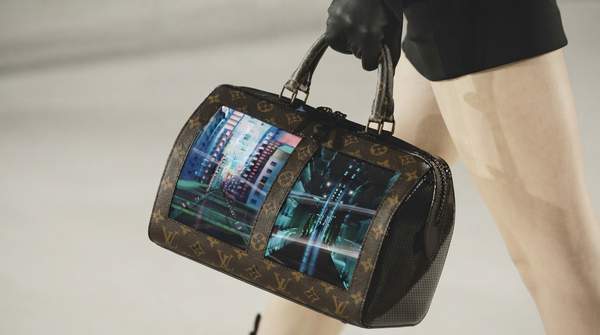
Controlling the Narrative: Selective Digital Distribution
Luxury brands rigorously manage their digital presence and distribution channels to safeguard brand perception and exclusivity. Selective distribution systems restrict sales on third-party marketplaces that might dilute brand image, according to luxuriousmagazine. This strategic choice prevents the commoditization of luxury goods, ensuring products are presented in environments that uphold their premium value. Preserving brand integrity in the digital realm demands active control over product presentation, preventing dilution from indiscriminate online sales. Brands actively counteract potential dilution by establishing proprietary, controlled digital environments, such as the AI Experience Room. This ensures brand messaging and product discovery remain firmly within their exclusive domain, demonstrating a strategic duality in their digital approach.
The New Architects of Influence: Content Creators
Content creators increasingly drive influence within the fashion and luxury market, amplifying trends globally at high speeds, Deloitte states. Luxury brands navigating a new dissemination landscape, where external voices significantly sway consumer perceptions, is necessitated. The rise of these digital architects of influence demands brands engage with new forms of influence while meticulously maintaining their curated image. Such engagement often involves strategic collaborations, carefully chosen to align with brand values, ensuring broad amplification never compromises exclusivity. Brands failing to grasp that digital tools can curate exclusivity, not merely amplify reach, risk diluting their prestige in a hyper-connected world.
Dispelling Doubts: Digital's Impact on Luxury Revenue
How do luxury brands maintain exclusivity online?
Luxury brands engineer digital scarcity and controlled access, eschewing widespread availability. This involves proprietary digital environments, such as the AI Experience Room, offering intimate, personalized interactions. These platforms function as controlled gateways, mirroring traditional selective distribution.
What is the role of heritage in digital luxury marketing?
Heritage is paramount, curated and presented through advanced digital tools. Technology enables brands to narrate their history in fresh, engaging ways, reinforcing timeless values without diluting prestige. This strategic integration bridges tradition with modernity, captivating new generations while honoring established identity.
How do luxury brands balance accessibility and exclusivity online?
Brands achieve this balance by strategically deploying digital tools to deepen engagement with a select, targeted audience, rather than pursuing indiscriminate expansion. This cultivates bespoke, high-touch customer journeys that reinforce brand heritage and perceived value. Despite initial skepticism, the strategic integration of digital tools has demonstrably increased revenues for luxury brands, proving its financial viability, according to Forbes.
The Future of Luxury: Strategic Vision in a Digital Age
Sustained success for luxury brands in the digital era demands a forward-thinking strategy, integrating immediate digital tactics with enduring business model innovations. Deloitte emphasizes this balance between short-term actions and long-term choices. Continuous adaptation of digital tools to enhance, not compromise, the core tenets of luxury: exclusivity, craftsmanship, and personalized service, is mandated. The demonstrated success of luxury brands in leveraging digital tools to 'reach more of their specific target audience, achieve more sales and brand loyalty without reducing the quality of their product offerings' (Forbes) confirms that for high-end markets, digital transformation prioritizes crafting bespoke, high-touch customer journeys that reinforce brand heritage and perceived value over mere efficiency. By Q3 2026, leading houses like LVMH and Kering will likely deepen their investment in AI-driven private experiences, further solidifying their market position. Premium value in the digital age remains defined by controlled access, not widespread availability.