Personalization in Luxury Brands

Net-a-Porter's AI-powered personalization engine resulted in a 35% increase in conversion rates, demonstrating a powerful shift in luxury retail, according to Alcelabs .

SD
Sebastian Duval

May 29, 2026 · 6 min read

Futuristic AI interface showcasing personalized luxury fashion recommendations, symbolizing the intersection of technology and high-end retail.

Net-a-Porter's AI-powered personalization engine resulted in a 35% increase in conversion rates, demonstrating a powerful shift in luxury retail, according to Alcelabs. Advanced personalization technologies are becoming critical drivers for growth and profitability within the high-end market. Brands are now leveraging sophisticated data analytics to tailor customer experiences, moving beyond generalized marketing.

Traditional luxury has historically relied on exclusive, handcrafted bespoke services, cultivating an image of unparalleled artistry and individuality. However, the modern luxury market is increasingly driven by scalable, data-driven personalization. This evolving dynamic presents a tension between time-honored practices and the efficiency demands of contemporary commerce.

Luxury brands that master the integration of advanced personalization technologies will gain a significant competitive advantage and capture greater customer loyalty, while those that do not will risk obsolescence. The ability to offer tailored experiences at scale is reshaping consumer expectations and brand strategies.

Understanding Bespoke Craftsmanship in Luxury

An average Savile Row suit costs £4800, representing a pinnacle of traditional luxury tailoring, according to Permanent Style. This price reflects the intricate, human-intensive process involved in creating a garment specifically designed for an individual. The production cost of this average Savile Row suit is 33% of its retail price. The production cost of this average Savile Row suit is 33% of its retail price, revealing the inherent inefficiency and limited scalability of traditional bespoke luxury.

The cost of bespoke tailoring typically ranges from £1420 to £1710, with an average of £1565. The cost of bespoke tailoring typically ranges from £1420 to £1710, with an average of £1565, highlighting the significant investment in skilled labor and premium materials that define bespoke luxury's exclusive value proposition. While offering unparalleled uniqueness, the labor-intensive nature of traditional bespoke means its capacity for margin growth is inherently capped.

This model contrasts sharply with the scalable profit margins seen with data-driven personalization. The high per-unit cost and extensive lead times associated with bespoke services limit its reach to a niche clientele. This makes the shift to data-driven personalization's scalable profit margins an even more compelling proposition for brands targeting broader affluent markets.
Personalization: Luxury's Digital Evolution

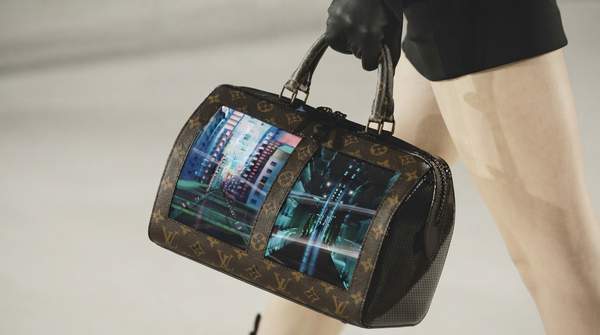
Luxury brands are increasingly implementing scalable personalization through customizable products, exemplified by offerings like Louis Vuitton's Mon Monogram. This approach allows consumers to impart a sense of uniqueness to their purchases without the prohibitive cost or lead time of traditional bespoke services. These customizable items provide a bridge between mass production and individual expression.

The customizable Pocket Organizer, priced at $455.00, allows clients to select specific colors and initials for their accessories, according to Louis Vuitton US. Similarly, the customizable Passport Cover Mon Monogram, available for $530.00, offers another avenue for personal expression. These options show how luxury houses are adapting their portfolios to meet evolving consumer demands for individuality.

The customizable Passport Cover, priced at $400.00, further illustrates this trend. These examples show how luxury brands offer accessible forms of personalization, allowing consumers to own unique items without the full bespoke investment. This strategy helps maintain exclusivity while expanding market reach through tailored relevance.

The Consumer Imperative: Why Personalization Matters Now

Affluent consumers and aspirational luxury consumers are demanding more personalized luxury brand experiences tailored to their unique preferences and lifestyles, as noted by Alcelabs. This creates a market-wide expectation for brands to recognize and cater to individual tastes, moving beyond generic offerings. Brands must adapt to these preferences to remain relevant and competitive.

This consumer-driven demand is influencing luxury brands to pivot from purely bespoke, handcrafted items towards scalable, customizable products. Consumers seek a sense of uniqueness that aligns with their identity, driving brands to invest in technologies that enable personalized interactions and product variations. The emphasis is now on creating an experience that feels individually curated, even if the underlying product is scalable.

The evolving definition of 'luxury' now includes highly tailored relevance alongside traditional exclusivity. This forces brands to adapt their strategies or risk obsolescence. Brands that successfully integrate personalization into their core offerings are better positioned to capture the loyalty of discerning consumers who value bespoke-like experiences without the traditional constraints.

The Bottom Line: Personalization's Impact on Value

Luxury brands implementing advanced personalization strategies report 20-30% increases in customer lifetime value, according to Questsearch. This financial uplift confirms that strategic personalization directly translates into increased customer loyalty and sustained revenue for premium retailers. The ability to retain customers for longer periods, coupled with higher spending, represents a powerful argument for investment.

Personalized shopping experiences lead to 40% higher average transaction values in premium retail environments, Questsearch also found. This further solidifies the direct financial benefits of catering to individual preferences. When customers feel understood and valued, they are more inclined to make larger purchases, enhancing overall profitability.

Based on Net-a-Porter's 35% increase in conversion rates and Questsearch's findings of 20-30% increases in customer lifetime value, luxury brands that fail to invest heavily in overcoming hyper-personalization's implementation challenges are effectively leaving millions on the table. The stark contrast between the labor-intensive 33% production cost of a Savile Row suit (Permanent Style) and the scalable 40% higher average transaction values driven by personalized shopping experiences reveals that traditional luxury is trading inherent inefficiency for perceived exclusivity, a trade-off modern consumers are increasingly unwilling to accept.

Navigating the Hurdles: Challenges in Hyper-Personalization

What are examples of bespoke services in luxury brands?

Examples of bespoke services in luxury brands extend beyond tailoring to include custom-made jewelry, personalized fragrance consultations, and made-to-order automotive interiors. For instance, brands like Rolls-Royce offer extensive bespoke options for vehicle customization, allowing clients to specify unique materials, colors, and features that are then handcrafted to their exact desires, creating a truly singular product.

How does personalization enhance luxury brand experiences?

Personalization enhances luxury brand experiences by fostering a deeper emotional connection between the brand and the consumer, creating a sense of exclusivity and individuality. This can manifest through tailored product recommendations, personalized communications, or exclusive access to events based on past purchases and expressed interests, making each interaction feel unique and valued for the individual.

What is the difference between custom and bespoke?

The distinction between custom and bespoke lies in the degree of creation and client involvement. Custom typically refers to modifying an existing design or product with pre-defined options, such as engraving a name on a standard item. Bespoke, however, involves creating a product entirely from scratch based on the client's unique specifications, often requiring multiple fittings or design iterations, as seen in traditional haute couture or a completely new watch movement.

The Future of Luxury: Data as the New Craftsmanship

Implementing hyper-personalization is a significant challenge for luxury beauty brands, particularly concerning data-driven marketing, production & logistics, and team training, according to Sia Partners. While the benefits are clear, successful hyper-personalization requires overcoming complex hurdles in data integration, supply chain adaptation, and developing new skill sets within organizations. These challenges are substantial but not insurmountable, given the potential returns.

A common challenge for luxury beauty brands is aligning personalization strategies across different data sources like CRM and customer data reports, often hindered by complex tool integration, Sia Partners notes. Companies struggling with aligning personalization strategies across data sources are missing the critical insight that seamless data integration is no longer a technical hurdle but a strategic imperative for capturing the affluent consumer's demand for tailored experiences. This fragmented data environment prevents a holistic view of the customer, limiting the effectiveness of personalization efforts.

Mastering data alignment and tool integration is paramount for luxury brands aiming to deliver seamless and effective personalized experiences. The future of luxury craftsmanship will increasingly involve the sophisticated use of data to craft unique journeys for each client. By 2026, luxury brands like LVMH that successfully consolidate their data platforms will likely see their customer lifetime value metrics continue to outperform competitors who rely on siloed systems.