Sales of crystal bracelets in China surged by an astonishing 320% year-on-year in 2024, according to Barrons. This dramatic rise in esoteric goods purchases occurred as the broader personal luxury market contracted by up to 5% in 2025, as reported by Edition. These divergent trends confirm a profound re-evaluation of value among younger Chinese consumers.
China's traditional personal luxury market shrinks, yet a parallel 'spiritual economy' offering high-value wellness and esoteric goods booms among younger generations. The dichotomy between shrinking traditional luxury and booming spiritual economy signals a fundamental shift in how luxury is perceived and consumed. Chinese youth now pursue a deeper search for meaning, driving these emerging spiritual luxury trends.
Given the decline in traditional luxury sales and the simultaneous boom in spiritual goods and services, luxury brands must fundamentally re-evaluate their value propositions. They must align with younger Chinese consumers' evolving search for meaning and emotional well-being.
The Rise of Spiritual Luxury
China's online crystal market is estimated at 3 billion yuan ($444 million), according to Barrons, in an unspecified recent year. This 'spiritual luxury' segment encompasses high-value goods and services promising emotional well-being, personal insight, or inner peace. These offerings often command prices comparable to traditional luxury accessories.
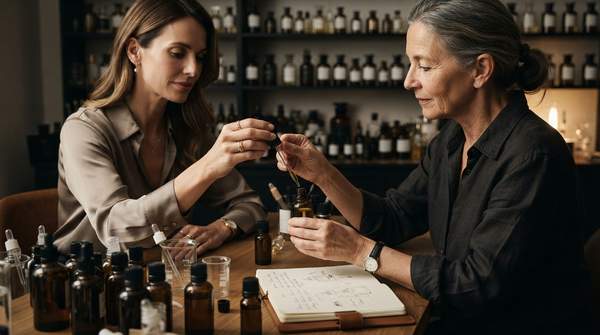
Fortune-telling bars, like 'One As All,' now open in major Chinese cities. They offer drinks from 88 yuan and consultations with qiuqian specialists, as detailed by The Guardian. Concurrently, Gen Z increasingly turns to Tarot for guidance, Bloomberg reports. This proliferation of esoteric services, alongside the booming crystal market, confirms a collective reallocation of high-value spending. Consumers now favor multiple esoteric purchases offering internal solace and personal growth over single, expensive traditional luxury items.
The Retreat of Traditional Luxury Spending
Global Chinese luxury consumption fell 13% in 2025, from €75 billion to €65 billion, according to Luxurysociety. Overseas luxury spending by Chinese consumers also dropped to €22.8 billion that year. The share of overseas luxury spending in total Chinese luxury spending decreased from 40% to 35%, Luxurysociety reported.
Luxurysociety reported the mainland Chinese personal luxury market contracted by 3% to 5% in 2025, while Edition cited a contraction of up to 5%. Both sources confirm a market shrinkage, despite minor variations in magnitude. This widespread contraction, spanning both domestic and international spending, marks a decisive shift from conspicuous consumption of established luxury brands. The decline in traditional luxury, paired with the domestic spiritual economy boom, indicates a repatriation of discretionary spending. It signifies a more introspective, localized luxury consumption focused on internal solace, not external display.
New Value Propositions: Meaning Over Material Status
China's 'spiritual economy' booms, Bloomberg reports. This growth starkly contrasts with the costs of traditional luxury items. A Cartier Juste un Clou nail bracelet in 18-karat white gold costs 34,100 yuan ($5,000). An 18-karat rose gold and diamond Tiffany & Co. “T” bangle costs 47,300 yuan ($7,000), according to Edition, in an unspecified recent year.
Younger consumers now readily spend significant amounts, not merely on traditional status symbols, but on experiences and objects promising internal fulfillment and personal growth. The significant spending on experiences and objects promising internal fulfillment and personal growth underscores a deeper search for meaning. The 3 billion yuan online crystal market and the proliferation of fortune-telling bars confirm Chinese youth are not abandoning discretionary spending. Instead, they reallocate it towards a 'spiritual economy' offering perceived personal growth and emotional solace. This compels traditional luxury brands to either adapt or concede a significant market segment.
Why the Shift to Spiritual Luxury Matters
The 320% surge in crystal bracelet sales, juxtaposed with the 3-5% contraction of the traditional personal luxury market, signals a fundamental redefinition of consumer values. The explosive growth in 'spiritual luxury' is not merely a fleeting trend; it represents a direct counter-response to the traditional market's decline. It confirms a profound re-evaluation of value among younger Chinese consumers, particularly amidst economic uncertainty. Brands clinging to outdated notions of ostentatious luxury risk immediate irrelevance and long-term alienation. These consumers now prioritize internal well-being, personal growth, and emotional resonance over external display. This shift compels a complete overhaul of brand messaging, demanding authenticity and a focus on intrinsic value rather than superficial status. Discretionary income is now reallocated from single, expensive traditional items to a multitude of esoteric purchases, reflecting a deeper quest for meaning that luxury brands can no longer ignore.
What are the key drivers of spiritual luxury in China?
Economic uncertainty and a profound desire for internal well-being drive spiritual luxury among Chinese youth. They seek personal growth and emotional solace, diverging from previous generations' focus on material status. The shift to spiritual luxury encompasses practices like meditation and mindfulness, offering perceived internal benefits.
How is the younger generation in China redefining luxury?
Younger Chinese generations redefine luxury as an internal pursuit, not an external display. They allocate discretionary spending to experiences and goods promising personal insight and inner peace, moving away from ostentatious material possessions. Redefining luxury as an internal pursuit includes investments in workshops focused on self-improvement and mental clarity.
What are the emerging spiritual wellness trends for Chinese millennials and Gen Z?
Emerging trends include a significant turn towards esoteric practices like Tarot reading and fortune-telling, alongside a booming market for crystals and other wellness items. The preferences for esoteric practices like Tarot reading and fortune-telling, alongside a booming market for crystals and other wellness items, underscore a search for guidance and emotional stability. Engagement with online communities centered on spiritual growth also is a growing trend among these demographics.
The reorientation of Chinese youth toward spiritual luxury presents a critical challenge for established luxury houses. Brands like Louis Vuitton and Hermès, historically reliant on visible status, must innovate beyond traditional offerings. They need to integrate experiences and products resonating with the desire for internal fulfillment. By late 2026, companies failing to acknowledge this shift risk further market share erosion as consumers prioritize personal growth over conspicuous consumption.


