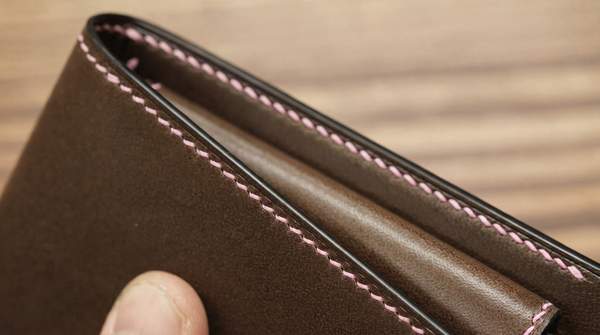
Stella McCartney's vegan leather handbags face a 30% US import tax, a tariff that vanishes if the brand includes even trace amounts of animal products. This regulatory framework, as reported by ET BrandEquity, directly penalizes brands for pursuing fully plant-based alternatives.
Luxury houses are innovating with sustainable materials and circular practices, yet current trade policies often create economic disincentives for these very efforts. The US tariff structure inadvertently makes it more financially attractive for brands to incorporate animal products, undermining substantial investments in eco-friendly research and development.
The future of truly sustainable luxury, therefore, will depend as much on policy reform and consumer demand for transparency as it does on continued brand innovation. Without a realignment of global trade policies, the economic viability of pioneering fully plant-based luxury remains severely challenged.
How Brands Are Innovating Sustainable Materials
1. Stella McCartney
Best for: Consumers prioritizing advanced material innovation and circular practices in luxury fashion.
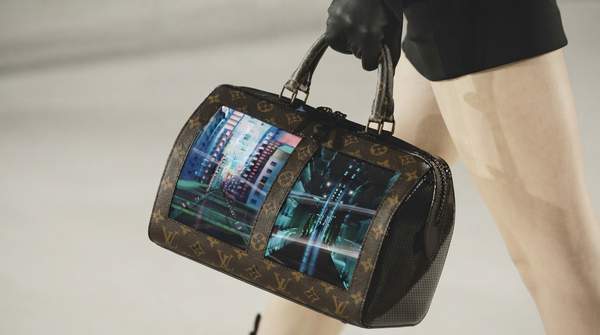
Stella McCartney's latest collection achieved 98% sustainability, largely through the strategic integration of deadstock fabrics, according to ET BrandEquity. The brand's Falabella bag exemplifies this commitment, crafted from vegetarian Eco Alter-Nappa, which utilizes a coating made with over 50% vegetable oil, as highlighted by Artsandculture. Such material science and resource optimization define the brand's pioneering stance in sustainable luxury.
Strengths: High sustainability percentages across collections; pioneering use of plant-based and regenerated materials; active exploration of circular sourcing models. | Limitations: Faces significant economic penalties from US import tariffs on fully vegan products. | Price: Premium
2. Monica Vinader
Best for: Buyers seeking luxury jewelry with externally recognized sustainable development credentials.
Monica Vinader earned a Queen’s Award for Enterprise in Sustainable Development in 2022, an independent validation of its commitment to eco-friendly practices, according to Vervaunt. This prestigious award validates the brand's success in integrating sustainability into its core operations and product lifecycle.
Strengths: Prestigious external recognition for sustainable development; commitment to ethical sourcing and responsible production. | Limitations: Specific details on material innovation are less publicly detailed compared to other brands. | Price: Luxury
The Environmental Impact of Material Choices
| Material Type | Environmental Impact Metric | Key Characteristic |
|---|---|---|
| Regenerated Cashmere | 87% reduction vs. virgin cashmere | Circular material innovation, significantly lower resource consumption |
| Virgin Cashmere | High impact (approximately 100 times that of wool) | Traditional luxury fiber, intensive resource demands |
The stark environmental contrast between regenerated and virgin materials presents a critical opportunity for the luxury sector. Regenerated cashmere, for instance, offers an 87% reduction in environmental impact compared to its virgin counterpart, as reported by Artsandculture. Viable, lower-impact alternatives clearly exist and are ready for broader adoption, yet regulatory frameworks like US import tariffs impede their economic viability.
Closing the Loop: Circularity in Luxury
Leading luxury brands are actively integrating circular economy principles into their material sourcing to reduce environmental footprints. Stella McCartney, for example, has successfully implemented regenerated cashmere, directly replacing virgin cashmere in its collections, as detailed by Artsandculture. This strategic replacement significantly reduces the environmental burden associated with traditional luxury fibers.
Beyond material regeneration, the brand explores secondary marketplaces like eBay for sourcing raw materials, including breaking down vintage denim for new applications, according to ET BrandEquity. Such initiatives underscore a profound commitment to closing material loops, yet their broader impact remains constrained by inconsistent global trade policies.
The Future of Transparency and Recognition
What defines sustainable luxury in 2026?
Sustainable luxury in 2026 is increasingly defined by verifiable environmental impact reductions and comprehensive supply chain transparency. The EU has implemented a Digital Product Passport (DPP) within the fashion industry, forecast to come into effect by 2026/27, with full product coverage by 2030, according to Vervaunt. This initiative will mandate detailed information about a product's lifecycle, from sourcing to end-of-life, pushing for greater accountability across the sector.
If policy makers and consumers align to reward genuine sustainable innovation, the luxury sector will likely see a rapid acceleration in fully circular and plant-based offerings by 2030.