Choosing a luxury watch winder is a decision that extends beyond mere convenience. For the owner of automatic timepieces, the right winder is an essential tool for preserving the mechanical health, accuracy, and intricate functions of their collection. The ideal choice is not a one-size-fits-all solution but rather a careful match between the winder’s technical capabilities, capacity, and design with the specific needs of your watches.
Why a Luxury Watch Winder is Essential for Your Collection
While an automatic watch is designed to be powered by the motion of its wearer, a high-quality winder becomes indispensable when a timepiece is not in daily rotation. Its primary function is to keep the watch running, which maintains the distribution of lubricants within the delicate movement and prevents them from congealing. This consistent operation helps preserve the watch's accuracy and long-term health, saving you from the inconvenience of frequent manual winding and adjustments.
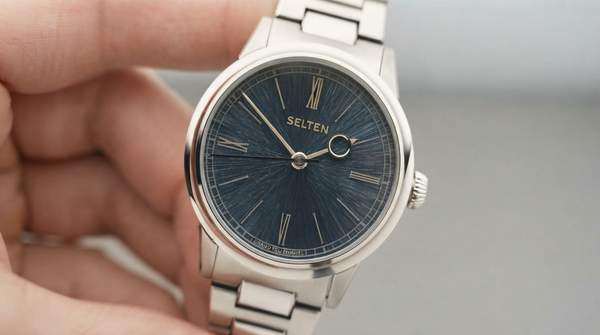
The value of a winder is particularly evident for watches with sophisticated complications. According to SwissKubik, timepieces featuring perpetual calendars, moon phases, or dual time zones are especially sensitive to stopping. A winder keeps these complex functions synchronized, avoiding the need for intricate resetting procedures that might otherwise require the intervention of a professional watchmaker. For a collector, this means your watches are always ready to wear, displaying the correct date, time, and astronomical information.
Understanding Turns Per Day (TPD) and Rotation Direction
The core of a luxury watch winder's function lies in its programmable settings, which must be tailored to the specific requirements of each watch movement. The two most critical settings are Turns Per Day (TPD) and rotation direction. TPD refers to the number of full rotations the winder makes in a 24-hour period to keep the watch's mainspring sufficiently wound.
According to the winder manufacturer MODALO, most automatic watches, including popular models from Rolex and Omega, typically require between 650 and 900 TPD. The rotation direction—clockwise, counter-clockwise, or bi-directional—is also dictated by the watch's specific caliber. For instance, MODALO and other sources note that many luxury watches from brands like Rolex and Patek Philippe often recommend bi-directional winding. The Rolex Daytona's 4130 caliber, for example, winds in any direction and needs at least 650-800 turns per day to remain fully wound.
A premium winder allows for precise programming of both TPD and direction, ensuring it never overwinds a timepiece. As explained by Diamond Source NYC, automatic movements have a built-in safety clutch to prevent damage, and high-quality winders use internal programming to pause rotation once the watch is wound, protecting the mechanism over the long term.
Beyond Mechanics: Design, Materials, and Capacity
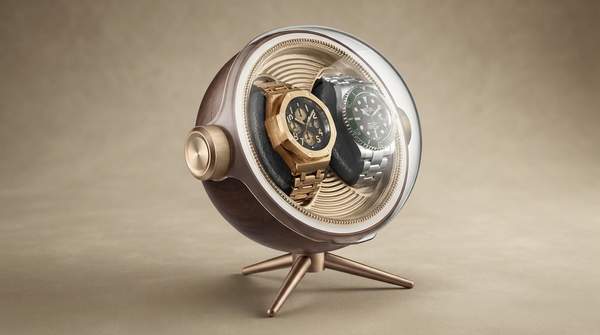
A luxury watch winder serves a dual purpose: it is both a precision instrument and an elegant piece of furniture. Manufacturers craft these devices from premium materials, blending timeless aesthetics with advanced technology to create a display worthy of the timepieces it holds. Designs range from compact, single-watch cubes to elaborate cabinets that can house an entire collection. Many feature clear viewing windows, allowing you to admire your watches as they are maintained.
The capacity of the winder is a key consideration that should align with your collecting habits. For a single watch, a compact and elegant winder is a suitable choice. However, as a collection grows, modular models or multi-watch cabinets become more practical. SwissKubik suggests that for larger collections, a modular approach using multiple single units can offer flexibility, allowing them to be conveniently arranged or stored in a safe. Whether you have one prized automatic or a dozen, there is a configuration designed to meet your current needs and accommodate future acquisitions.
Your Personalized Watch Winder Decision Framework
Selecting the right winder requires a systematic evaluation of your collection's profile against the features available. This framework maps different collector needs to the winder characteristics that should be prioritized to ensure a sound investment.
| Collector Profile | Essential Winder Features to Prioritize | Key Considerations |
|---|---|---|
| The Emerging Collector (1-2 automatic watches, standard complications) |
|
Focus on a high-quality single or dual winder that masters the basics. Ensure it can meet the specific TPD and directional needs of your current watches to protect your initial investments. |
| The Enthusiast (A growing collection of 3-8 watches, some with complications like GMT or moon phase) |
|
Your primary need is flexibility. A winder with independent controls for each watch is crucial, as different models in your collection will have unique winding requirements. The aesthetic value as a display piece also becomes more important. |
| The Connoisseur (A large, valuable collection with high-complication timepieces like perpetual calendars) |
|
For a significant collection, especially one containing sensitive perpetual calendars, precision and protection are paramount. A modular system offers scalability, while advanced programming ensures each valuable piece receives exacting care. |
Making Your Informed Winder Choice
Ultimately, the best luxury watch winder is one that seamlessly integrates into your life as a collector. Select a luxury watch winder by prioritizing programmable TPD and rotation settings, appropriate capacity for your collection, and a design that complements your aesthetic, ensuring it meets the specific needs of each automatic timepiece. By carefully considering the technical demands of your watches and your long-term collecting goals, you can choose a device that not only offers convenience but also acts as a dedicated custodian for your most valued possessions.
The right choice will prove its worth daily. The chosen watch winder consistently keeps all automatic watches in the collection accurately wound and displayed, without manual intervention or signs of wear from incorrect settings. This outcome is the true measure of a successful investment in the care and preservation of your timepieces.