At a Patek Philippe workshop in Geneva, a master watchmaker spends 300 hours hand-finishing a single movement component, meticulously beveling edges and polishing surfaces. Just meters away, engineers use artificial intelligence to design micro-components with tolerances measured in microns, ensuring flawless precision. This stark contrast illustrates the core tension shaping luxury watch brands of 2026, where traditional craftsmanship meets advanced innovation.
Consumers expect luxury watches to embody timeless tradition and artisanal skill, but they also increasingly demand modern performance, durability, and novel features. This creates a paradox for manufacturers: selling an 'eternal' object that simultaneously needs to be 'new' and 'advanced' to justify its premium value.
Brands that successfully navigate this duality will secure their long-term relevance and market position. Those that lean too heavily on either extreme risk alienating a significant portion of their high-end clientele, ultimately eroding perceived value and market share.
The Dual Pillars: Craftsmanship and Innovation Defined
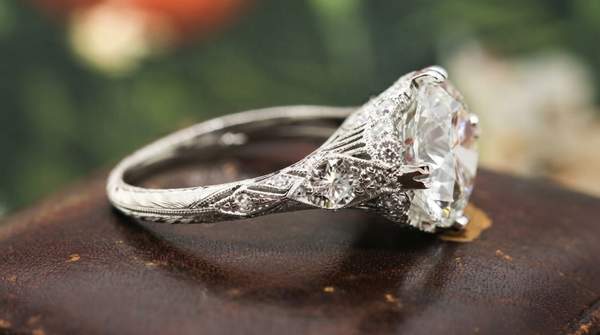
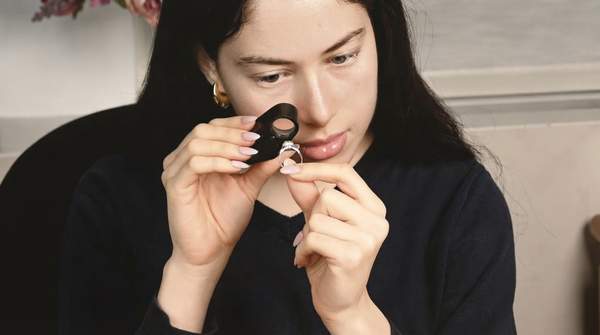
Traditional haute horlogerie involves dozens of hand-finishing techniques. These include anglage, the chamfering of movement bridges, and perlage, a circular graining pattern, often performed under a microscope, according to a Watchmaking Guild Report. This human touch imbues each timepiece with a unique character, often seen as its 'soul.'
Modern watch innovation, conversely, includes silicon escapements, which offer improved accuracy and anti-magnetism. It also features advanced ceramic cases for enhanced durability and smart functionalities, as reported by Horology Today. The average price of a luxury mechanical watch has increased by 15% in the last five years, partly due to these material science advancements, according to Luxury Market Insights. Luxury watches are thus complex artifacts where tradition and progress constantly intersect, demanding a sophisticated balance.
How Brands Bridge the Divide: Case Studies in Fusion
Rolex's Oyster Perpetual movements feature patented Paraflex hairsprings, made from a niobium-zirconium alloy for shock resistance, yet their cases are still polished by hand, states Rolex Official. Audemars Piguet uses CNC machines for initial case shaping, then employs dozens of artisans for intricate hand-finishing and assembly, as observed during an AP Workshop Tour. Richard Mille's ultra-light movements incorporate aerospace materials like TPT Quartz and Carbon, while still requiring extensive hand-assembly, according to Richard Mille Innovations. Grand Seiko's Spring Drive combines a mechanical mainspring with an electronic regulator for unparalleled accuracy, notes Grand Seiko Heritage. These diverse approaches illustrate a shared strategy: leveraging technology to push boundaries while preserving the artisanal touch that defines luxury. Such integration proves innovation enhances craftsmanship, unlocking new levels of performance and aesthetic complexity.