Industrial gold mines, as recently as 2018 (data from jvclegal) have been documented to harbor severe human rights abuses, including forced labor, child labor, and sexual assault, according to jvclegal. Such egregious violations reveal a profound human cost embedded within the supply chains that frequently sustain the luxury jewelry market. Furthermore, the extraction processes routinely deploy toxic chemicals like cyanide and mercury, substances known to inflict severe health issues and even fatalities upon local populations, as reported by scsglobalservices. These potent compounds invariably contaminate vital water sources and fertile soil, instigating pervasive environmental degradation and enduring health crises for adjacent communities.
The inherent allure of luxury jewelry, with its promise of beauty and timelessness, stands in stark contrast to its traditional production methods, which are frequently implicated in severe human rights abuses and extensive environmental destruction. This fundamental disconnect profoundly undermines the industry's perceived value proposition. Consequently, consumers are increasingly scrutinizing the provenance of their acquisitions, demanding heightened accountability from brands that derive profit from such practices.
As consumer awareness intensifies and investor pressure escalates, the luxury jewelry industry faces an undeniable imperative: to embrace transparent, sustainable sourcing and production. Ethical practices are thus transforming from a niche concern into a competitive necessity. This profound shift is not merely a transient trend; it fundamentally redefines value within the high-end market, dictating the very future of luxury jewelry creation.
The Environmental Burden of Precious Materials
Renewable biomaterials present a markedly reduced environmental impact when juxtaposed with traditional precious metals, offering a pivotal insight for sustainable sourcing. Specifically, biomaterials derived from ligno-cellulosic sources register average carbon footprints of merely 1.1–1.2 kg and water consumption between 9–16.5 L. Conversely, the extraction and refinement of precious metals incur a carbon footprint of 2.1 kg and demand 24.5 L of water, as detailed by comprehensive data from pmc. The pronounced disparity in carbon footprint and water usage highlights the inherent environmental efficiencies of these alternative materials, suggesting a clear, yet often overlooked, pathway to mitigating the industry's ecological footprint.
The industry's persistent preference for precious metals, despite these compelling environmental metrics, actively perpetuates significant ecological strain. Brands neglecting the adoption of renewable biomaterials, which pmc demonstrates possess nearly half the carbon footprint of traditional metals, miss not only an environmental opportunity but implicitly endorse the continued deployment of toxic chemicals like cyanide and mercury. These substances, integral to conventional mining, devastate local communities and ecosystems, as documented by scsglobalservices, exacerbating both environmental degradation and human health crises. The luxury sector's active decision to maintain these impacts, despite the clear availability of more sustainable alternatives, demands immediate re-evaluation.
The Power of Design in Reducing Impact
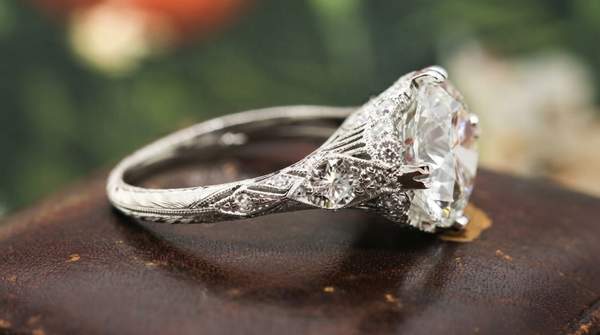
Design choices profoundly influence the environmental impact of jewelry production, extending far beyond the initial selection of materials. Simplified jewelry designs, for instance, demonstrate a carbon footprint of 0.8 kg and necessitate 11.5 L of water. In stark contrast, intricate designs demand substantially greater resources, registering a carbon footprint of 3.1 kg and water usage soaring to 33 L, according to pmc. The pronounced disparity between simplified and intricate designs establishes design complexity as a critical, yet often overlooked, determinant of jewelry's environmental footprint, a fact further corroborated by Mdpi.
The counterintuitive revelation that intricate designs have a significantly higher environmental footprint positions them as a primary, and frequently underestimated, environmental culprit, rather than solely the material sourcing itself. Based on pmc's data, luxury jewelers who persist with elaborate designs are, in effect, actively choosing to triple their environmental footprint compared to more streamlined alternatives. The choice to triple the environmental footprint with elaborate designs reveals a profound disconnect between perceived aesthetic value and actual ecological impact. Embracing simpler, elegant designs thus offers a direct and immediate pathway to substantially diminish the industry’s environmental burden.
Investor and Industry Calls for Ethical Due Diligence
External pressures are intensifying upon the jewelry industry, demanding enhanced ethical sourcing practices and the implementation of robust due diligence. The Investor Alliance, for instance, issued a pointed statement urging jewelry companies to rigorously review their policies and practices concerning the responsible sourcing of gold, diamonds, and other precious minerals and gems, as reported by investorsforhumanrights. The Investor Alliance's directive specifically compels manufacturers and retailers to conduct comprehensive human rights due diligence, aligning with established UN Guiding Principles and OECD Guidance, thereby ensuring exhaustive oversight across their intricate supply chains. The implicit threat is clear: failure to comply risks not only reputational damage but also significant investor divestment.
Yet, the persistent reports of forced labor and child labor within industrial gold mines, documented as recently as 2018 by jvclegal, persist despite these explicit investor calls for due diligence from investorsforhumanrights. The persistence of forced labor and child labor despite explicit investor calls for due diligence reveals a critical, ongoing systemic failure. The industry's 'luxury' facade, therefore, appears constructed upon a foundation of human rights exploitation that remains largely unchecked. This profound tension between an aspirational brand image and a grim documented reality demands verifiable action, not merely rhetorical commitments, to rectify deep-seated ethical deficiencies.
Pioneering Ethical Production: Brands Leading the Way
A select cohort of companies actively demonstrates that ethical production is not only achievable but also commercially viable within the luxury sector, thereby furnishing a tangible blueprint for the industry's future. Deepwear, for example, strategically collaborates with manufacturers and suppliers who unequivocally prioritize ethical sourcing and eco-friendly production methods, as detailed by deepwear. Their rigorous practices encompass the utilization of recycled sterling silver and the meticulous procurement of ethically sourced gemstones, unequivocally showcasing a commitment to mitigating both environmental degradation and social harm. Deepwear's proactive stance suggests that such practices are not merely altruistic but represent a strategic imperative for long-term brand resilience.
Deepwear's comprehensive approach offers a tangible, replicable pathway away from the exploitative practices that have historically marred the industry. These initiatives prove that integrating ethical sourcing and eco-friendly production is not only feasible but confers a distinct strategic advantage in the contemporary jewelry market. Such pioneering companies are establishing new, elevated benchmarks for responsible luxury, definitively proving that profitability and ethical conduct are not mutually exclusive, but rather synergistic forces driving market evolution.
Your Questions on Sustainable Jewelry Answered
What are the key principles of sustainable sourcing in jewelry?
Sustainable sourcing in jewelry rigorously emphasizes comprehensive transparency throughout the entire supply chain. The commitment to comprehensive transparency ensures equitable labor practices, robust environmental protection, and meaningful community development. Core tenets include the meticulous traceability of materials from their origin at the mine to their final market destination, coupled with unwavering adherence to stringent human rights standards that transcend mere legal compliance. Furthermore, it prioritizes the reduction of waste and the minimization of the ecological footprint associated with both extraction and manufacturing processes.
How does ethical consumerism impact luxury jewelry brands?
Ethical consumerism exerts an escalating influence, fueling a pronounced demand for transparency and accountability from luxury jewelry brands. Today's discerning consumers are increasingly inclined to meticulously research a brand's sourcing practices, exhibiting a growing preference for products that offer verifiable ethical provenance. The shift towards consumers meticulously researching a brand's sourcing practices directly impacts purchasing decisions and market share. Brands that fail to adapt to this evolving consumer landscape risk alienating a substantial segment of their prospective clientele.
What certifications indicate ethical sourcing in jewelry?
Authoritative certifications such as the Responsible Jewellery Council (RJC) or Fairmined offer crucial assurance of ethical sourcing. These standards encompass human rights, labor practices, environmental impact, and comprehensive product disclosure. As third-party verified benchmarks, they empower consumers to identify brands genuinely committed to responsible practices, providing a credible framework for responsible practices. assessing a company's adherence to sustainable and ethical principles.
The Future of Luxury: Ethical, Sustainable, and Transparent
If the luxury jewelry industry fails to pivot from its reliance on traditional mining and intricate designs towards verifiable sustainable sourcing, biomaterials, and simplified aesthetics, it will likely face significant erosion of consumer trust and market share by Q3 2026, as pioneering brands like Deepwear continue to capture the evolving ethical market.