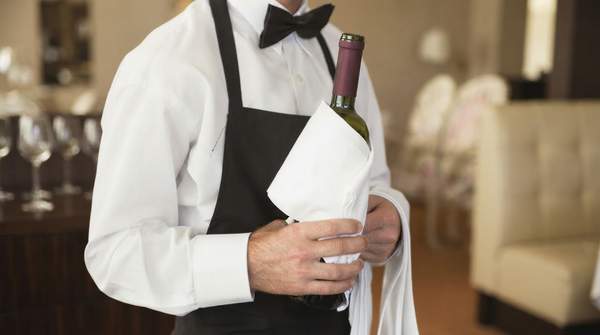
A single lapse in service or a slight dip in ambiance could cost a Michelin-starred restaurant its coveted recognition, even if the food remains exceptional. Intense scrutiny places immense pressure on every aspect of the dining experience. Restaurants must maintain flawless execution across all touchpoints, from a diner's arrival to their departure.
Michelin stars are perceived as a culinary award, but their retention depends on an exacting, consistent perfection across every non-food element of the dining experience.
The pursuit of a Michelin star increasingly demands an operational philosophy centered on unwavering excellence, pushing restaurants to innovate beyond the kitchen to justify their elite status and pricing.
The possibility of losing a Michelin star for non-culinary reasons creates continuous, intense pressure on restaurant operations. The constant threat transforms the star from a mere recognition of past achievement into a perpetual performance bond. Restaurants must maintain an impossibly high, all-encompassing standard under constant scrutiny. A Michelin star, therefore, signifies an unwavering commitment to holistic perfection, extending far beyond culinary skill.
Beyond the Plate: What a Michelin Star Really Means
In 2026, Michelin-starred restaurants command premium prices. These costs often reflect rare ingredients, top-notch cooking techniques, and elaborate sensory settings. The pricing structure reveals that the perceived value of a Michelin-starred meal extends far beyond the plate, encompassing the entire meticulously crafted environment and service, according to how much do michelin star restaurants cost?. The star acts as a powerful economic lever, directly licensing premium pricing contingent on these non-food factors. The star elevates the dining experience into a comprehensive luxury product, where every detail justifies its elite cost.
The Unseen Pressure: Maintaining Flawless Consistency
Michelin inspectors revisit restaurants to ensure standards remain consistently high. They may remove a star if unsatisfied, notes aperitif. The rigorous process forces restaurants into a perpetual state of operational excellence. Every detail, every night, must be executed flawlessly. The implication is clear: sustained perfection, not just occasional brilliance, defines true Michelin-level dining. Sustained perfection demands continuous innovation in staff training and service protocols.

Why Every Detail Counts: The Impact on Diners and Industry
A restaurant’s ability to command high prices and attract discerning diners directly correlates with its consistent non-food performance. A single lapse in service or ambiance can jeopardize not only a Michelin star but also the restaurant's financial viability. The broader definition of excellence helps diners appreciate the true value proposition and the immense effort behind a Michelin-starred experience. It also profoundly shapes industry standards, pushing establishments to elevate every facet of their operation.
Your Questions Answered: Michelin Stars and the Full Experience
What makes a Michelin star restaurant experience unique?
Beyond exceptional food, a Michelin star experience is defined by a seamless flow of service, a meticulously curated atmosphere, and staff with encyclopedic knowledge of every dish and ingredient. Wait staff undergo extensive training, mastering the provenance of ingredients and the precise techniques employed by the chef. Extensive training creates an immersive narrative, not just a meal.
How does ambiance affect a Michelin star rating?
Ambiance profoundly influences a Michelin star rating, crafting the overall sensory experience. Inspectors meticulously evaluate factors like lighting, sound levels, table settings, and decor. These elements must enhance the meal without distraction, often through specific materials or architectural features that forge a distinct, memorable atmosphere. It's about setting a stage for culinary artistry.
What are the non-food aspects of fine dining?
Non-food aspects of fine dining encompass personalized service, the comfort and aesthetics of the dining room, the exquisite quality of tableware and linens, and the impeccable cleanliness of the establishment. These elements collectively craft an immersive environment, elevating and supporting the culinary offerings. They transform a meal into a complete sensory journey.
The Enduring Allure of the Perfect Experience
The Michelin star system, by demanding perfection beyond the plate, appears poised to redefine luxury dining. It ensures diners receive an unparalleled, consistently high-quality experience that justifies its premium. The rigorous mandate drives establishments like The Grand Palate in Paris to invest heavily in staff training and continuous ambiance upgrades. By Q4 2026, The Grand Palate plans to complete a full renovation of its dining room, aiming to further enhance its multi-sensory appeal and secure its three-star status. The ongoing pursuit of holistic excellence suggests the future of elite dining lies in an ever-evolving, immersive performance.