Fine Dining

A Connoisseur's Guide to Vintage Champagne: From Cellar to Glass

Discover the exquisite world of vintage Champagne, a liquid time capsule capturing the essence of a single, exceptional harvest. Uncover the secrets behind its unique character, extended aging, and why it offers a truly unparalleled tasting journey.

LF
Lucia Ferraro

April 9, 2026 · 7 min read

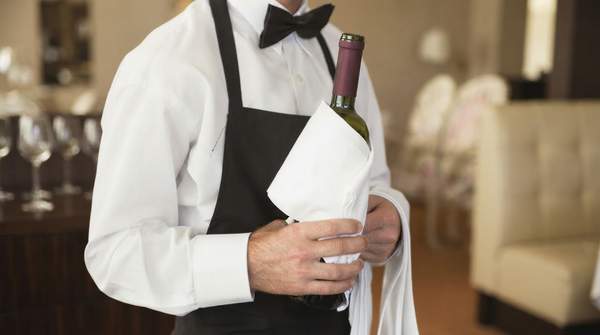
A sommelier inspecting a vintage champagne bottle in a historic, dimly lit cellar, showcasing the elegance and age of fine sparkling wine.

Have you ever considered that the bottle of Champagne you hold might be a liquid time capsule, a perfect preservation of a single, sun-drenched summer from years past? This is the essential promise of a vintage Champagne, a wine born not from a blend of years, but from the distinct character of one exceptional harvest. While most of the Champagne we enjoy is Non-Vintage—a masterful blend designed for consistency—the world of vintage bubbly offers a far more nuanced and narrative-rich journey for the discerning palate. It’s a journey worth embarking on now more than ever, as the quality and diversity of these exquisite wines are reaching remarkable new heights.

To truly appreciate Champagne is to understand the story behind each bottle. For me, that story often begins in the cool, chalky cellars, or crayères, that lie beneath the rolling hills of the Champagne region in France. It is here that the fundamental distinction between the consistent and the singular comes to life. Non-Vintage Champagne is the brilliant signature of a Champagne maison, a reliable and delicious expression achieved by blending wines from multiple harvests. A vintage, however, is a declaration. It is the house’s testament that a particular year was so magnificent, its grapes so perfectly balanced, that it deserves to be bottled on its own, capturing its unique identity for posterity.

What Defines Vintage Champagne? Understanding the Basics

Vintage Champagne is a sparkling wine produced exclusively from the grapes of a single harvest year, which must be declared on the label. Unlike its Non-Vintage counterpart, it is not a blend of multiple years. This decision to "declare a vintage" is made by the individual Champagne house and is reserved for years with optimal growing conditions that yield grapes of outstanding quality. This practice ensures that each vintage bottling is a unique reflection of that specific year's climate and terroir—the combination of soil, climate, and topography that gives a wine its character.

The regulations governing its production are also stricter, demanding a longer and more patient creation process. This commitment to time is what transforms the vibrant fruit of a single harvest into a complex, multi-layered wine. The fundamental differences are best understood side-by-side:

  • Source of Grapes: Vintage Champagne must use 100% of grapes from the stated year. Non-Vintage (NV) Champagne is a carefully constructed blend of wines from various years, using reserve wines to maintain a consistent house style.
  • Declaration: A Champagne house chooses to declare a vintage only in exceptional years, meaning they are not produced annually. NV Champagne is the house’s primary and consistent product, produced every year.
  • Aging Requirements: The law mandates that Vintage Champagne must be aged for a minimum of three years in the bottle before release. In contrast, NV Champagne requires a minimum of just 15 months of aging.
This extended aging period is not merely a matter of waiting; it is a transformative process that builds the character, complexity, and soul of the wine. It’s a slow metamorphosis that allows the Champagne to develop the signature notes that connoisseurs seek, moving beyond simple fruitiness into a realm of profound depth and elegance.

The Alchemy of Aging: How Time Creates Complexity

The magic of vintage Champagne truly unfolds during its extended slumber in the cellar. The most crucial phase of this period is the time spent aging sur lie, or "on the lees"—the residual yeast cells left over after the secondary fermentation that creates the iconic bubbles. While NV Champagne must spend at least 12 months on the lees, according to Westgarth Wines, vintage expressions are required to age for at least three years, with a significant portion of that time on the lees. Many top houses, however, extend this period dramatically, sometimes for a decade or more.

During this time, a process called autolysis occurs. The yeast cells begin to break down, releasing compounds that impart a symphony of flavors and a richer, creamier texture to the wine. This is where the simple, fruity notes of the young wine evolve into the complex secondary aromas that define great Champagne. Think of the warm, comforting scent of a Parisian boulangerie; autolysis is responsible for those tell-tale notes of brioche, toasted bread, roasted nuts, and sometimes a subtle, savory character. The longer the time on the lees, the more pronounced and integrated these flavors become, creating a wine of immense depth and sophistication.

The journey doesn't end there. Even after the Champagne is disgorged (the process of removing the lees) and sealed, it continues to evolve. Aging after disgorgement can encourage the Maillard reaction, the same chemical process responsible for the delicious browning on a perfectly seared steak or toasted marshmallow. In wine, it contributes to what Westgarth Wines describes as "roasty and toasty deliciousness," transforming fresh fruit flavors into more complex notes of roasted apple, dried apricot, and honey. Proper storage is paramount to preserving this delicate evolution. A cool, dark, and stable environment, with bottles laid on their side to keep the cork moist, is essential for allowing a vintage to reach its full, glorious potential.

Identifying Exceptional Vintage Champagne: A Matter of Time and Terroir

For those of us who seek out singular gastronomic experiences, selecting a vintage Champagne is an opportunity to taste history. The year prominently displayed on the label is not just a number; it is a story of the weather, the harvest, and the winemaker's vision for that specific moment in time. According to Glass of Bubbly, vintage Champagne is often considered a "superior label" precisely because it is only released in the best harvest years, making it highly desirable for its "magical, varying flavors."

I recall a tasting experience in a private cellar in Épernay, sampling a 2012 vintage. The winemaker spoke of the challenging, cool spring followed by a perfect, sun-drenched late summer that concentrated the grapes. In the glass, that story was clear: a vibrant acidity, reminiscent of the cool start, was perfectly balanced by a rich, ripe fruit character from the late-season sun. It was a narrative I could taste, a fleeting season captured forever. This is the essence of appreciating a vintage—understanding that you are experiencing the singular expression of a year's unique climatic journey.

Fortunately for collectors and connoisseurs, there has arguably never been a better time to explore the world of Champagne. A Robb Report article notes that the quality of Champagne has "shot up dramatically" in the last 15 years. This renaissance is being driven by both the iconic grand maisons and a surge of finessed examples from small grower-producers. Esteemed houses like Bollinger, Krug, and Louis Roederer are reportedly bottling some of the best Champagne they have in decades, while independent growers are offering a more diverse expression of terroir across the region. This dual momentum provides an incredible breadth of choice, from the powerful, structured vintages of established names to the terroir-driven, nuanced bottlings of rising stars.

Why Vintage Champagne Matters

In a world that often prizes speed and consistency, vintage Champagne stands as a monument to patience, particularity, and the beauty of variation. It is an invitation to slow down and savor something truly unique. Of course, this rarity and extended craftsmanship come at a price. As Glass of Bubbly explains, vintage Champagne is more expensive due to its lower production levels, the longer time it spends aging in the cellar, and its inherent scarcity. It is a luxury, but one whose value is measured not just in cost, but in the depth of the experience it offers.

Choosing a vintage Champagne is about more than just selecting a celebratory drink; it is about curating a moment. It is the perfect choice for marking a significant anniversary with a bottle from that same year, or for a dinner party where the wine itself becomes a topic of conversation. It allows you to explore how a producer like Moët & Chandon, known for its widely available Non-Vintage, expresses its ultimate commitment to a single year through its superior vintage label, Dom Pérignon. The pleasure lies in discovering the personality of each vintage—one might be bold and opulent, another restrained and elegant, each a faithful reflection of its origins.

Frequently Asked Questions

What is the main difference between vintage and non-vintage Champagne?

The primary difference is the source of the grapes. Vintage Champagne is made from grapes harvested in a single, specific year, which is always indicated on the bottle. Non-vintage Champagne is a blend of wines from multiple years, created to maintain a consistent style and quality year after year.

How long should you age vintage Champagne?

Vintage Champagne is legally required to be aged for a minimum of three years before release, but most prestigious houses age their bottles for much longer. Once purchased, many vintages can continue to age and develop complexity for years, even decades, if stored properly in a cool, dark place. The ideal aging window varies greatly depending on the specific vintage and producer.

Is vintage Champagne always better than non-vintage?

While vintage Champagne is typically positioned as a premium product due to its rarity and complexity, "better" is subjective. Non-vintage Champagne is the benchmark of a house's style and is crafted for consistency and immediate enjoyment. Vintage Champagne, on the other hand, is an expression of a specific year's unique character and is often more complex and age-worthy. The choice depends on the occasion and personal preference.

Why is vintage Champagne so expensive?

Several factors contribute to its higher price. It is only produced in the best years, making it rarer. The production process is longer, requiring a minimum of three years of aging, which increases storage and production costs. Finally, its scarcity and reputation as a high-quality, age-worthy wine create higher demand among collectors and connoisseurs.

The Bottom Line

To engage with vintage Champagne is to engage with the soul of a place and the spirit of a time. It is a celebration of a single, perfect harvest, meticulously crafted and patiently aged to achieve a level of complexity that a blended wine simply cannot replicate. The next time you seek a bottle of bubbly, look for that year on the label and prepare to uncork not just a wine, but a story.