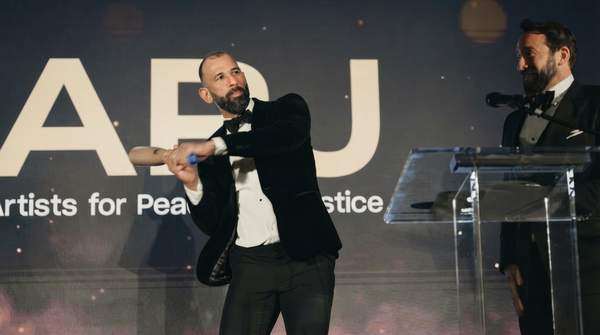
In tropical climates or on a cruise, a gentleman's black tie ensemble might surprisingly swap the traditional black tuxedo jacket for a white dinner jacket, a subtle but critical distinction. The choice of a white dinner jacket signals an insider's understanding of high society event etiquette and dress code nuances, reflecting a sophisticated grasp of context.
High society events demand strict adherence to dress codes, but these codes contain subtle variations and specific requirements often overlooked. The subtle variations and specific requirements in dress codes challenge attendees to move beyond surface-level interpretations.
Mastering these specific etiquette rules is essential for confident participation in formal social gatherings; the details signal respect and understanding of the occasion. WhoWhatWear advises being slightly overdressed rather than underdressed for a gala. Being slightly overdressed ensures respect at high-profile gatherings.
The Essentials of Black Tie Attire
Understanding the core components of black tie attire forms the foundation for navigating high society events. For men, black tie includes a black tuxedo jacket and matching trousers, a formal white shirt, shirt studs and cufflinks, a black bow tie, and a black cummerbund or vest, according to Emily Post. Women may choose a formal evening gown, a dressy cocktail dress, or a dressy 'little black dress,' also from Emily Post. The components of black tie attire define the expected level of formality, with men's attire having specific, non-negotiable components.
1. Maintain formal, considerate, and respectful conduct
Best for: The Discreet Guest
Treat black tie events with formality, consideration, and respect. Conduct reflects these values. Be moderate with food and drink.
Strengths: Ensures social acceptance | Limitations: Requires constant awareness | Price: Social discomfort if ignored
2. Adhere to standard men's black tie attire
Best for: The Classic Gentleman
A black tuxedo jacket, matching trousers, formal white shirt, studs, cufflinks, black bow tie, and cummerbund or vest are mandatory. Vogue confirms the black bow tie with a dinner jacket.
Strengths: Universally appropriate | Limitations: Strict adherence required | Price: Appearance of an outsider if mismatched
3. Adhere to women's black tie attire
Best for: The Elegant Attendee
Options include a formal evening gown, dressy cocktail dress, or 'little black dress.' Vogue generally equates this to 'long' dresses.
Strengths: Offers stylistic options | Limitations: Nuances in length must be observed | Price: Risk of appearing underdressed
4. Understand the formality of black tie events
Best for: The Informed Participant
Black tie is less formal than white tie, more formal than business attire. It is common for weddings, proms, formal dinners, and theatre. Galas often follow black-tie dress codes, according to WhoWhatWear.
Strengths: Provides context for choices | Limitations: Misinterpretation leads to errors | Price: Social misstep
5. Opt for tea-length or longer dresses for galas
Best for: The Gala Connoisseur
Short dresses are unsuitable for galas. WhoWhatWear advises tea-length or longer to respect the event's formality.
Strengths: Ensures appropriateness | Limitations: Restricts shorter options | Price: Appearing out of place
6. Wear a white dinner jacket for black tie in summer, tropics, or on a cruise
Best for: The Savvy Traveler
Men may wear a white dinner jacket with black tuxedo trousers for black tie events in summer, the tropics, or on a cruise, as per Emily Post.
Strengths: Demonstrates contextual intelligence | Limitations: Specific to climate/venue | Price: Appearing unaware of subtle rules
7. Prioritize being slightly overdressed
Best for: The Cautious Guest
WhoWhatWear states it is always best to be slightly overdressed than underdressed for a gala.
Strengths: Minimizes social risk | Limitations: Can lead to excessive formality | Price: Unnecessary discomfort if overdone
8. Choose evening-appropriate fabrics for dresses
Best for: The Textile Expert
Evening-appropriate fabrics include velvet, chiffon, silk, or lace, as noted by Vogue.
Strengths: Elevates formality | Limitations: May limit material choice | Price: Undermining elegance with casual fabrics
9. Rewearing an outfit is acceptable
Best for: The Practical Socialite
Rewearing an outfit is not a faux pas for black-tie events, according to Vogue.
Strengths: Reduces expenditure and stress | Limitations: Requires careful styling to refresh | Price: Unfounded anxiety about repetition