Affluent Consumers Cut Luxury Spending, Why 50% DTC is Key

In 2025, the global luxury consumer base contracted by 20 million shoppers, yet Moncler saw steady revenue growth in the Americas by prioritizing experiential luxury.

CP
Charles Pembroke

April 19, 2026 · 3 min read

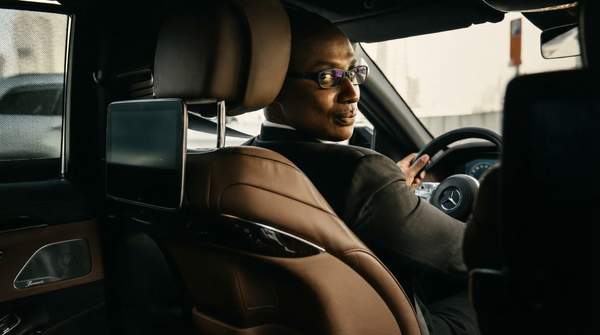
An affluent consumer thoughtfully examines a luxury item in a sophisticated boutique, reflecting changing consumer values.

In 2025, the global luxury consumer base contracted by 20 million shoppers, yet Moncler saw steady revenue growth in the Americas by prioritizing experiential luxury. A profound re-evaluation among affluent buyers regarding genuine value, extending beyond mere brand prestige, is signaled by this divergence.

Overall luxury spending is declining, but brands adapting to direct-to-consumer sales and experiential offerings are still finding growth. This juncture is critical for the industry; traditional models face increasing irrelevance against evolving consumer expectations for authenticity and direct interaction. The market is segmenting, rewarding agility and innovation.

Traditional luxury brands failing to innovate their engagement models and product definitions will likely see continued erosion of market share and profitability. This shift, driven by discerning affluent consumers, challenges the long-held pillars of exclusivity and indirect distribution.

How Luxury Spending Habits Are Changing

The luxury sector slowed in 2024, according to Morningstar. This preceded a further decline in 2025, with overall luxury spending reaching €1.44 trillion globally, a marginal decline of 1% to 3% from the previous year, according to Bain & Company. A broad contraction is confirmed by these figures, signaling a fundamental shift in consumer engagement.

Affluent consumers are re-evaluating purchases, moving away from indiscriminate splurges. This trend, particularly noticeable among high-net-worth individuals, shows a market no longer solely driven by brand heritage or scarcity. Luxury houses must understand evolving desires for value, experience, and direct interaction from their clientele.

Why Agile Brands Thrive

Moncler's direct-to-consumer sales now account for over 50% of its revenue, reported by AD HOC NEWS. The direct engagement model contrasts sharply with the broader market's decline, demonstrating a clear growth path. Affluent millennials prioritize experiential luxury, contributing to Moncler's steady revenue growth in the Americas, according to AD HOC NEWS.

Brands investing in direct engagement and experiential offerings for affluent millennials are poised to capture market share from competitors stuck in outdated retail paradigms. Connecting directly with consumers and offering unique experiences is a critical differentiator. Such strategies counteract market contraction, indicating a redistribution of luxury spending rather than a universal halt.

Economic Pressures and Consumer Caution

Persistent inflation and geopolitical tensions cause affluent consumers to question luxury splurges, as noted by AD HOC NEWS. The instability fosters a cautious spending environment, even among high-net-worth individuals. The luxury consumer base contracted by 20 million shoppers in 2025, with shoppers reducing purchase frequency or trading down, according to Bain & Company.

While macro-economic factors play a role, the industry's margin erosion and consumer base contraction are exacerbated by brands' internal strategic failures to adapt to evolving consumer preferences.

The High Price of Stagnation

Luxury brands are in a 'death spiral' due to their own actions, a perspective highlighted by The New York Times. The criticism points to internal strategic missteps, not just external economic pressures, as a primary driver of industry challenges. Operating margins for the luxury industry fell to 15-16% in 2025, down from 21% in 2022, due to shrinking gross margins, according to Bain & Company.

The sharp decline in operating margins and strong criticism suggests many traditional luxury brands suffer from self-inflicted wounds, failing to evolve with their customer base. The 20 million contraction in luxury shoppers, reported by Bain & Company, confirms the 'death spiral' stems from a fundamental misalignment between traditional brands and the values of the next generation of high-net-worth individuals.

A Redefined Future for Luxury

Sales of personal luxury goods are forecast to total €358 billion in 2025, a 2% erosion from 2024, according to Bain & Company. The decline in the core personal luxury segment contrasts with emerging trends. Accessible luxury emerged as the most dynamic segment, with about 50% of brands likely to have grown in 2025, according to Bain & Company.

The erosion of personal luxury goods sales, contrasted with growth in accessible luxury, demands brands redefine their value proposition and adapt to evolving consumer expectations. 'Luxury' is not dead, but its definition is rapidly changing, moving towards value, experience, and direct engagement rather than just traditional status symbols.

By 2026, luxury brands like Hermès or Louis Vuitton that maintain traditional wholesale models without significant investment in direct-to-consumer engagement and novel experiential offerings risk further margin erosion and market share loss to agile competitors, a trend cemented by the 20 million contraction in the global luxury consumer base observed in 2025.