The Rise of Stealth Wealth: Why Understated Luxury Brands Are Booming

Hundreds of people queued for hours in New York City in October to buy discounted luxury clothing and accessories from The Row, a brand known for its minimalist aesthetic and lack of visible logos, ac

CP
Charles Pembroke

May 14, 2026 · 6 min read

An elegantly dressed person subtly admiring a minimalist handbag in a sophisticated, softly lit boutique, embodying understated luxury.

Hundreds of people queued for hours in New York City in October to buy discounted luxury clothing and accessories from The Row, a brand known for its minimalist aesthetic and lack of visible logos, according to The Business of Fashion. This public display of demand for a brand built on discretion created a striking image, with consumers eager to embrace understated luxury trends in 2023, even if it meant a visible wait. The throngs gathered highlighted a curious intersection: the desire for exclusivity clashing with the public nature of a discount event.

Visible luxury products are often designed for public signaling, but the genuinely wealthy are increasingly opting for invisibility and personal satisfaction, according to Latest news from Azerbaijan. This fundamental tension drives a redefinition of status, moving away from overt displays towards a more discerning appreciation for intrinsic value and privacy. The truly affluent are actively weaponizing 'quiet luxury' to differentiate themselves from the merely wealthy.

Brands that adapt to this shift towards understated quality and personalized experiences will likely thrive, while those relying on overt branding may struggle to retain the most affluent consumers. This movement transforms discretion and craftsmanship into exclusive status symbols, signaling an insider status.

Understanding the Allure of Discreet Luxury

The unexpected queues for The Row, a brand epitomizing 'quiet luxury' with its minimalist design and absence of overt logos, signals a profound shift in consumer values. This public display of aspiration for a discreet aesthetic, particularly for discounted items, suggests that 'quiet luxury' is becoming a status symbol not solely for the ultra-rich. It also appeals to aspirational consumers willing to publicly signal their rejection of overt branding, creating a new form of conspicuous consumption.

This phenomenon indicates that the perceived value of luxury is migrating from external validation to internal satisfaction. Consumers are seeking a sophisticated yet subtle form of self-expression. The act of waiting in line, even for a brand known for its discretion, underscores a collective desire to align with a particular aesthetic. This trend prioritizes quality and timelessness over fleeting trends and visible logos, redefining what it means to possess true luxury in the modern era.
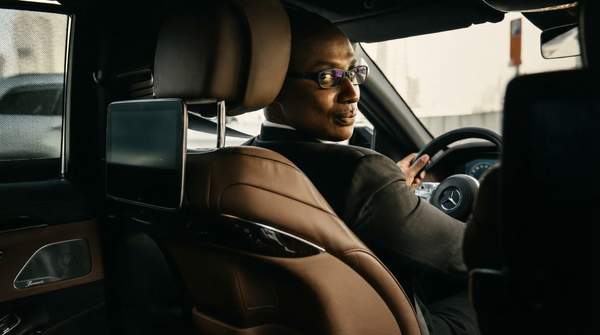
The New Face of Affluence: Quality Over Logos

Affluent consumers often purchase different types of luxury products, such as custom tailored clothing, minimalist leather goods, handmade shoes, quietly branded cashmere, limited edition pieces, and high-quality fabrics without visible logos. This demonstrates a clear preference among the wealthy for intrinsic value, superior materials, and unique craftsmanship over overt brand signaling. The focus shifts to the product's inherent quality and the experience it provides, rather than its ability to broadcast status.

This discerning approach means that items are chosen for their longevity, comfort, and the personal satisfaction they bring. The emphasis on bespoke tailoring or limited editions further solidifies an appreciation for rarity and individuality. Such choices allow the genuinely affluent to cultivate a personal style that speaks to their refined taste, rather than conforming to mass-market luxury trends. This subtle distinction serves as a quiet marker of true affluence.

Market Signals: Growth in Discreet Demand

  • 9.3% — Median sold prices for luxury detached homes rose 9.3% , according to Coldwell Banker Luxury.
  • Significant Increase — Ricardé Paris reports a significant increase in first-quarter international demand, according to Briefglance.

Despite a general rise in luxury asset values, the specific growth in demand for understated brands like Ricardé Paris indicates a targeted shift in how wealth is expressed, moving towards less visible forms of consumption. The luxury housing market's continued strength provides a backdrop of substantial wealth, yet this wealth is increasingly channeled into products and experiences that prioritize discretion. This suggests a maturing of luxury consumption, where consumers seek deeper value beyond mere display.

The increasing international demand for brands embodying quiet luxury principles also highlights a global convergence on this aesthetic. This trend is not confined to specific geographic regions but appears to be a worldwide phenomenon among the affluent. It underscores a collective desire for exclusivity and quality, moving away from overtly branded items. The market is clearly responding to this evolving preference.

Why the Wealthy Go Quiet

Genuinely wealthy people often avoid obvious luxury branding altogether, preferring comfort, craftsmanship, privacy, quality, or personal taste over external validation through logos. Visible luxury products are often designed more for people who want to signal wealth publicly than for the ultra-rich, as also noted by Latest news from Azerbaijan. The shift towards quiet luxury is therefore driven by a desire for privacy and authenticity, distinguishing true wealth from aspirational signaling and external validation.

This preference reflects a deeper understanding of luxury as a personal experience rather than a public performance. For those who already possess substantial wealth, the need to prove it through conspicuous consumption diminishes. Instead, their choices are guided by a pursuit of intrinsic satisfaction and a refined sense of personal style. This discreet approach allows them to enjoy luxury on their own terms, free from the pressures of external judgment or societal expectations.

Brands Capitalizing on the Understated Trend

Brochu Walker, a Los Angeles-based quiet luxury womenswear label, is expanding into South Korea, according to Marketech-apac. The brand will open its first international flagship store in Seoul on July 18, 2026. This Seoul flagship store will span five floors and include retail spaces and a VIP suite, as detailed by marketech-apac.com. These significant international expansions and investments in exclusive retail experiences confirm the global appeal and market confidence in the quiet luxury segment, catering to a clientele that values exclusivity and personalized service.

The strategic inclusion of a VIP suite in Brochu Walker's new Seoul flagship, alongside the general preference for discretion among the affluent, suggests these brands are cultivating an exclusive, private experience as a core component of their luxury offering. This further cements the idea that true affluence values access and intimacy over public display. The expansion into a discerning market like South Korea underscores the global reach of this trend. It highlights how brands are adapting by offering not just products, but curated environments that enhance the sense of privacy and bespoke service for their most valued clients.

The Future of Luxury: Discretion is Key

The luxury industry is clearly shifting from selling products to curating exclusive, private experiences, indicating that true affluence now values access and discretion above all else.

  • Brochu Walker is expanding with multi-floor flagships and VIP suites in markets like South Korea, according to marketech-apac.com.
  • Genuinely wealthy people often prioritize privacy and personal taste over external validation through logos, as reported by Latest news from Azerbaijan.

The future of luxury will increasingly be defined by brands that master discretion, quality, and personalized experiences, rather than overt branding, as consumers seek more meaningful and less ostentatious expressions of wealth. This evolution suggests a market where genuine connections and bespoke services will command a premium. Brands that successfully integrate privacy and exclusivity into their offerings will likely capture the loyalty of the ultra-rich. This will create a competitive advantage in a market segment where subtle signals outweigh loud declarations. Luxury will become less about what is seen and more about what is experienced.

Embracing the Era of Stealth Wealth

  • The demand for discreet luxury brands, even at a discount, indicates a broader aspirational embrace of understated aesthetics.
  • Affluent consumers prioritize craftsmanship, quality, and personal taste over visible logos in their luxury purchases.
  • Brands like Brochu Walker are investing in multi-floor flagships and VIP suites to offer exclusive, private experiences.
  • The median sold prices for luxury detached homes rose 9.3% in 2023, reflecting a robust underlying wealth capacity that fuels discreet consumption.

By 2026, luxury brands failing to adapt to this profound shift towards discretion and personalized experiences may find themselves increasingly out of step with the preferences of the truly affluent. This evolving dynamic underscores the enduring power of quality and exclusivity. It also highlights the growing importance of this trend.ortance of a brand's ability to offer a private, sophisticated experience that resonates deeply with its most discerning clientele. The future belongs to those who understand the quiet power of true luxury.