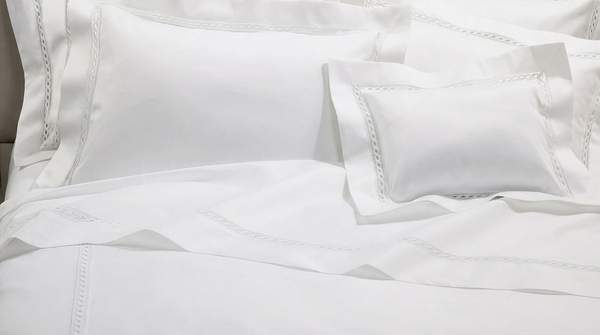
In 2026, China's luxury duvet cover market surged by an astonishing 28% (as of 2023 data), reaching an estimated $1.2 billion, according to Euromonitor International. Rising disposable incomes and (as of 2023 data) urbanization, per the National Bureau of Statistics of China, are reflected in this expansion, concentrated in Tier 1 and new Tier 2 cities. Affluent Chinese consumers aged 25-40 increasingly view luxury home textiles as a status symbol; a recent Deloitte China Consumer Survey found 65% share this perspective.
Historically, Chinese luxury consumption centered on visible status symbols such as cars and handbags. Now, a rapidly growing segment prioritizes high-end, intimate home goods like duvet covers. A rapidly growing segment prioritizing high-end, intimate home goods like duvet covers signifies a re-allocation of luxury spending, not uniform market growth. While China's overall luxury market grew by 12% (as of 2023 data), sales of traditional logo-heavy luxury handbags in Tier 1 cities declined by 5%, underscoring this fundamental shift.
Given this sustained growth and evolving consumer preferences, China's luxury home textiles market appears poised for continued expansion. This development could redefine Chinese luxury consumption, shifting status from public validation to private well-being.
The Scale of China's Bedding Boom
China's luxury bedding market demonstrates robust expansion across channels. Sales on Tmall Luxury Pavilion surged by 45% year-over-year in Q4 2023 (per Alibaba Group Report), while physical luxury department stores in Shanghai and Beijing still capture 20% of high-end duvet cover purchases, according to Retail Analytics China. The average price point for a luxury duvet cover has risen to $800, from $550 in 2023, notes the Industry Price Index. Substantial growth, spanning both online and elite physical retail, confirms the market's vitality. Brands fixated on overt status symbols risk overlooking this profound reorientation of Chinese affluence.

How Social Trends Are Weaving New Demand
Social media platforms like Xiaohongshu report a 300% increase in luxury bedding posts over the past year (as of 2023 data), per Kantar Media Analytics. A 300% increase in luxury bedding posts over the past year (as of 2023 data) on social media platforms like Xiaohongshu, per Kantar Media Analytics, confirms intimate luxury's role in a curated online persona. The broader 'comfort economy' trend, where consumers invest in home comfort and wellness, also drives demand, according to the Lifestyle Research Institute. Further, luxury hotels in China increasingly partner with high-end bedding brands for co-branded products, boosting visibility, notes Hospitality Industry Trends. The convergence of social influence, the comfort economy, and strategic partnerships accelerates the normalization of luxury home textiles as a lifestyle essential. The swift embrace of 'invisible luxury' like premium bedding underscores a mature and discerning Chinese luxury market.
Who's Winning the Race for Rest?
International brands such as Frette and Yves Delorme achieved double-digit growth in their China sales channels last year (as of 2023 data), according to Brand Financial Statements, affirming the enduring appeal of global names. Concurrently, domestic Chinese luxury bedding brands like Mianmian are gaining traction, capturing 15% of the market share (as of 2023 data), per the China Bedding Association. Double-digit growth in China sales channels for international brands such as Frette and Yves Delorme, and 15% market share captured by domestic Chinese luxury bedding brands like Mianmian, fuel this expansion, which caters to a more discerning consumer base. For a segment of younger luxury consumers, sustainability and ethical sourcing are also increasingly important (as of 2023 data), according to the Green Consumer Report, underscoring a demand for authenticity and experiential value beyond mere branding.
The Future of Luxury Sleep: Opportunities and Headwinds
While growth remains robust, the market faces potential headwinds. Analysts from Market Intelligence Group warn of saturation and increased competition within the next 1-3 years, which could lead to price wars. Meeting Chinese luxury standards also demands increasing volumes of premium long-staple cotton and silk from specific regions (as of 2023 data), a challenge noted by Textile Sourcing Report experts. Furthermore, counterfeit luxury bedding products pose a growing threat to brand reputation and consumer trust (as of 2023 data), according to the China Anti-Counterfeiting Alliance. Sustaining long-term success in this evolving market requires navigating potential saturation, securing premium supply chains, and vigorously combating counterfeiting.
If brands successfully navigate these complexities, China's luxury home textiles market appears likely to solidify its position as a significant and evolving segment of global luxury consumption.