In exclusive enclaves from Aspen to the Hamptons, luxury homeowners now allocate up to 30% of construction budgets to features like indoor living walls and circadian lighting systems, seeking measurable well-being benefits. Up to 30% of construction budgets allocated to features like indoor living walls and circadian lighting systems redefine luxury, moving beyond aesthetics to embrace environments that actively enhance occupant health and mental clarity. Nature-inspired elements are becoming a hallmark of high-end residences, reflecting a sophisticated understanding of human connection to the natural world.
The market for biophilic design in luxury homes booms due to its proven health benefits, yet many design professionals lack the specialized training for authentic, effective implementation. The disparity between booming demand and a lack of specialized training among design professionals creates a significant challenge: homeowners invest heavily in features that may not deliver anticipated wellness outcomes without precise application. The burgeoning demand reveals a critical gap in residential design expertise. For more, see our What Biophilic Design Luxury Homes.
Given this increasing demand and documented benefits, biophilic design appears poised to become a standard expectation, not a premium add-on, in luxury real estate. Biophilic design's poised transition to a standard expectation will reshape industry standards for health-conscious living, judging future high-end properties by their capacity to foster genuine well-being through integrated natural elements.
Elevating Spaces: The Biophilic Design Imperative
Luxury homeowners increasingly request features like indoor living walls and natural light optimization, according to Architectural Digest Survey 2023. The average luxury home project now allocates 20-30% of its budget to wellness-focused features, including biophilic elements, states the Luxury Home Builders Association. Properties successfully integrating these elements command a 7-10% price premium, as reported by Sotheby's International Realty Report. The substantial investment of 20-30% of budgets and the 7-10% price premium commanded by properties successfully integrating biophilic elements confirm biophilic design principles are no longer optional amenities; they are foundational components redefining high-end residential luxury. Homeowners prioritize enduring value and measurable benefits, moving beyond ostentation towards personal sanctuary and health optimization.
Beyond Potted Plants: Defining Biophilic Design
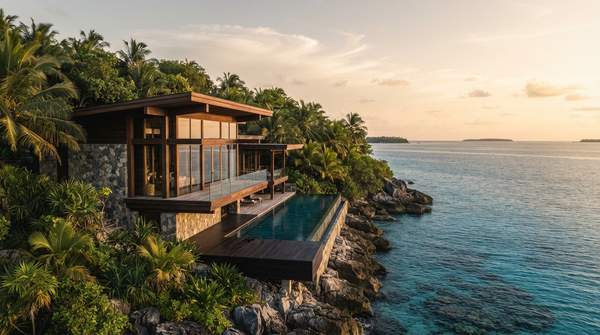
Biophilic design principles stem from humanity's innate connection to nature, a concept E.O. Wilson termed "Biophilia." This intrinsic affinity drives the integration of natural forms and processes into built environments, extending beyond simple aesthetics. True biophilic integration incorporates specific patterns, such as visual connection with nature, thermal and airflow variability, and the presence of water, as detailed by Terrapin Bright Green in "14 Patterns of Biophilic Design". It also includes sensory experiences like natural sounds and scents, emphasizing a holistic approach, notes the Biophilic Design Guidebook. This comprehensive methodology ensures design elements are not merely decorative but functional, creating immersive experiences that differentiate authentic biophilic spaces from superficial green features. This deep understanding is crucial for delivering genuine, sustained health impacts.
Integrating Nature: Advanced Applications in Luxury Spaces
Advanced biophilic integration creates "restorative environments," reducing mental fatigue and improving focus, according to Frontiers in Psychology. Advanced biophilic integration, by creating "restorative environments" that reduce mental fatigue and improve focus, transforms luxury residences into sanctuaries supporting cognitive well-being. Beyond psychological benefits, biophilic design reduces energy consumption by 10-25% through passive heating, cooling, and optimized natural light, states the Green Building Council. The 10-25% reduction in energy consumption through passive heating, cooling, and optimized natural light underscores a commitment to environmental stewardship alongside personal wellness. Post-occupancy evaluations in biophilic luxury homes report 80% higher resident satisfaction with overall well-being, according to the Wellness Architecture Institute. The 80% higher resident satisfaction with overall well-being reported in post-occupancy evaluations validates the investment, providing a tangible return in occupant experience. Such sophisticated applications move beyond simple greenery, incorporating expansive views, natural material palettes, and dynamic lighting systems that mimic circadian rhythms, ensuring both aesthetic appeal and demonstrable enhancement of residents' quality of life. This level of integration requires specialized expertise for authenticity and efficacy.
The Investment and the Imperative: Challenges and Opportunities
Despite growing demand, many architects and designers lack specialized training in advanced biophilic integration, according to AIA Journal. The skill gap among architects and designers challenges widespread, effective implementation. Initial investment in biophilic features can be 5-15% higher than conventional luxury builds, states Construction Dive, reflecting specialized materials and expertise. The 5-15% higher initial investment in biophilic features can deter some developers, despite long-term benefits. The central challenge for designers remains authentic integration, avoiding superficial "greenwashing," according to Design Intelligence. Greenwashing, where features lack the deep understanding for sustained health impacts, creates a disconnect between homeowner expectations and actual benefits. The industry critically needs specialized expertise and commitment to authentic integration to overcome cost hurdles and avoid diluted applications. Companies failing to invest in rigorous biophilic design training risk client dissatisfaction and reputational damage. The tension between booming demand and professional skill gaps suggests the luxury residential market is ripe for specialized certification bodies and design consultancies, poised to bridge this expertise chasm.
The Wellness Dividend: Why Biophilic Design is Essential for Health
Studies show a 15% improvement in cognitive function in spaces with natural elements, according to Journal of Environmental Psychology. A 15% improvement in cognitive function benefits high-net-worth individuals operating in demanding professional environments. Access to nature views can reduce stress hormones by 15-20%, according to Environmental Health Perspectives, offering a powerful antidote to modern stressors. The quantifiable health improvements, including a 15% improvement in cognitive function and a 15-20% reduction in stress hormones, confirm biophilic design's functional value. The benefits particularly appeal to high-net-worth individuals seeking holistic wellness solutions, according to Wealth Management Trends, as this demographic views residences as integral to their overall wellness strategy. Biophilic design is not merely an aesthetic choice; it is a powerful tool for enhancing mental clarity, reducing stress, and supporting a holistic approach to personal well-being. By integrating natural light, ventilation, and direct connections to green spaces, homes become active participants in residents' health journeys, supporting sustained cognitive performance and emotional balance. This focus on well-being represents a fundamental shift in luxury consumer values.
Common Questions About Nature-Infused Living
Is biophilic design just a temporary trend in luxury homes?
Biophilic design is transitioning from a niche luxury amenity to a standard expectation in high-end residential projects, according to Forbes Real Estate Council. Biophilic design's transition from a niche luxury amenity to a standard expectation signals permanent integration, driven by demonstrable health and wellness benefits. The market now views these features as essential components of sophisticated living.
How are luxury developers marketing biophilic homes?
Some luxury developments market "nature-infused living" as a primary selling point, according to High-End Real Estate Marketing Firms. This approach emphasizes holistic well-being and integrated natural connections, focusing on tangible benefits like enhanced health, reduced stress, and increased cognitive function.
What is the market outlook for biophilic design?
The global biophilic design market is projected to reach $38.2 billion by 2030, according to Grand View Research. The projected growth of the global biophilic design market to $38.2 billion by 2030 forecasts strong future demand across sectors, including luxury residential, reflecting growing recognition of biophilic design's value proposition.
The Future is Green: A New Standard for Luxury Living
Certification programs like WELL Building Standard increasingly include biophilic components as key criteria for healthy spaces, according to the WELL Building Institute. The formalization of biophilic components as key criteria in certification programs like WELL Building Standard confirms biophilic design's critical role in defining high-performance residential environments. Integrating smart home technology with biophilic elements, such as automated plant care systems and dynamic lighting mimicking natural cycles, is a growing trend, according to the Smart Home Technology Report. The technological synergy of integrating smart home technology with biophilic elements enhances nature integration's effectiveness and convenience.
By 2031, properties lacking robust biophilic design components will likely struggle to achieve premium certifications from bodies like the WELL Building Institute, diminishing their market appeal as health-conscious consumers prioritize verifiable wellness features.