High society demands adherence to unwritten codes of conduct, refined manners, and acceptance by established networks, rendering mere financial success insufficient for inclusion. While black tie events present seemingly clear dress code guidelines, true acceptance hinges on an unspoken mastery of social assimilation that transcends mere attire. Therefore, aspiring members must prioritize cultural literacy and meticulous attention to detail over overt displays of wealth, as these are the true currencies of sustained inclusion.
The Unspoken Rules of High Society and Black Tie
In 2026, high society, unlike traditional aristocracy, functions without formal hereditary barriers, allowing fluidity through demonstrated cultural assimilation, as Grokipedia explains. A meritocracy of manners, where social acumen takes precedence over inherited status or overt financial displays, is suggested.
However, this fluidity hinges on mastering subtle social cues and explicit sartorial expectations. For black tie events, the visible dress code provides initial guidance, yet ambiguities persist. Men may wear a tuxedo or a dark suit, states Emily Post. Women can choose a formal evening gown, a shorter cocktail dress, or dressy separates, Emily Post advises. These explicit dress codes are merely the visible tip of a complex iceberg of social assimilation, demanding more than surface-level adherence for genuine entry.
Mastering the Nuances of Black Tie Attire
Specific details delineate true black tie adherence from mere formal wear, particularly for men. For those opting for a suit, Vogue dictates a black bow tie with a dinner jacket. This notably contradicts Emily Post's more lenient advice, which suggests a dark suit without explicitly requiring a dinner jacket. Such subtle disagreements among authorities reveal varying interpretations of even 'written' rules, posing an initial challenge for aspirants.
Completing the Black Tie look for men demands precise accessory choices. Black patent leather or high-shine dress shoes, cufflinks, a pocket square, and a slim belt (or no belt with side-tabs) are essential, as detailed by State & Liberty. The meticulous attention expected is demonstrated by these requirements, proving black tie serves as a public performance of conformity. This performance identifies those who understand and respect the system, though it remains only the first hurdle to deeper social integration.
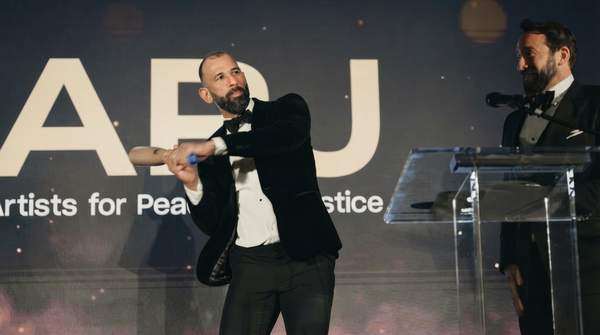
For women, expectations also feature notable distinctions and ambiguities. While Emily Post suggests options including a formal evening gown, a shorter cocktail dress, or dressy separates, Vogue asserts that 'black tie' generally equals 'long,' expecting a floor-sweeping dress. This significant discrepancy in advice implies navigating unwritten expectations is a key social test. True black tie elegance demands meticulous selection of accessories and specific garment choices, distinguishing a well-dressed guest from one merely in formal wear, and testing their ability to interpret nuanced directives.
Why Black Tie Etiquette Matters for Inclusion
Adherence to black tie attire, despite its often conflicting directives, serves as an initial litmus test for social integration. High society's true gatekeepers are not tailors but established networks and an unspoken mastery of social nuance, as Grokipedia highlights. Sartorial perfection, therefore, is a mere entry ticket, not a guarantee of belonging; Sartorial perfection signals a deeper screening process for cultural alignment. The conflicting advice, such as that for women's attire from Emily Post and Vogue, reveals even explicit rules are subject to subtle interpretation. Aspirants are forced to navigate a minefield of unwritten expectations, where a single misstep can signal a lack of 'cultural assimilation,' potentially barring true entry. Strict, often contradictory, sartorial expectations act as a subtle, non-financial barrier, testing an individual's ability to navigate ambiguity and implicit social cues, distinguishing the well-versed guest from one merely in formal wear.
What are the basic rules of high society?
High society functions on principles of discretion and understated elegance, often prioritizing legacy and reputation over recent financial gains. Members typically avoid ostentatious displays of wealth and adhere to established social hierarchies. Subtle cues in speech, gesture, and even dining etiquette also play a significant role in demonstrating belonging.
How do you behave at a formal event?
At formal events, conversational etiquette dictates active listening and avoiding controversial topics, focusing instead on polite, general discussions. Guests should engage in brief, respectful interactions, maintaining an awareness of personal space and refraining from interrupting others. Timely arrival and departure, along with discreet use of mobile devices, are also expected.
What is considered rude in high society?
Exhibiting a lack of punctuality, engaging in loud or boisterous behavior, and openly discussing personal finances or recent acquisitions are considered rude. Failing to acknowledge hosts, neglecting to send a timely thank-you note, or showing disrespect for established traditions also signal a profound lack of social grace. Interrupting conversations or monopolizing attention is highly frowned upon.
If aspiring members consistently master these intricate, often contradictory, protocols, their genuine inclusion within exclusive circles like The Pembroke Society's annual gala appears increasingly likely by Q4 2026.