Top Emerging Luxury Fashion Designers Redefining Haute Couture

Instead of silk and lace, one emerging haute couture collection featured gowns crafted from upcycled industrial waste, selling out within hours of its digital debut.

VL
Victoria Laurent

May 10, 2026 · 6 min read

Avant-garde haute couture gown crafted from shimmering upcycled industrial waste, showcasing futuristic luxury and sustainable fashion innovation.

Instead of silk and lace, one emerging haute couture collection featured gowns crafted from upcycled industrial waste, selling out within hours of its digital debut. Elara Vance's 'Bio-Luminescent Bloom' collection, using lab-grown mycelium and algae fibers, demonstrated a 90% reduction in water consumption compared to traditional silk production, according to Elara Vance Studio Interview. The rapid sell-out of non-traditional pieces signals a fundamental shift in perceived luxury value.

Haute couture has always embodied unparalleled exclusivity and traditional craftsmanship. Yet, new designers are making it more inclusive and sustainable through modern techniques and materials. Traditional houses emphasize decades of artisanal skill and rare, expensive materials. Emerging designers, however, showcase collections from upcycled waste and leverage AI for design. This creates a fundamental disagreement on what constitutes 'luxury' and 'craftsmanship' in 2026.

The future of haute couture appears to be a dynamic blend of artisanal skill and radical innovation. This potentially broadens its appeal beyond its traditional elite clientele and secures its relevance in a changing world. Based on the rapid sell-out of digitally debuted, upcycled couture, traditional luxury brands clinging to outdated notions of scarcity and material opulence risk alienating a new generation of consumers who prioritize purpose and transparency.

Haute couture, established in the mid-19th century, traditionally requires custom-made garments, multiple fittings, and production in ateliers with at least 15 full-time staff, according to the Chambre Syndicale de la Haute Couture. This historical framework, centered on unparalleled exclusivity, now faces redefinition. The global luxury fashion market is projected to reach $380 billion by 2027, with Gen Z and Millennial consumers driving a significant portion, prioritizing sustainability and unique narratives, as reported by Bain & Company Luxury Report 2023. A recent survey found 68% of luxury consumers aged 25-40 will pay a premium for ethically sourced and environmentally friendly products, according to Deloitte Global Powers of Luxury Goods 2023. The figures confirm that consumers demand more than just exclusivity. Digital fashion weeks and virtual try-ons saw a 300% increase in engagement during 2020-2022, according to Vogue Business Analytics. The growing appetite for innovative presentation methods, coupled with consumer values, bifurcates the market. A new segment prioritizes values and accessibility over heritage and exclusivity.
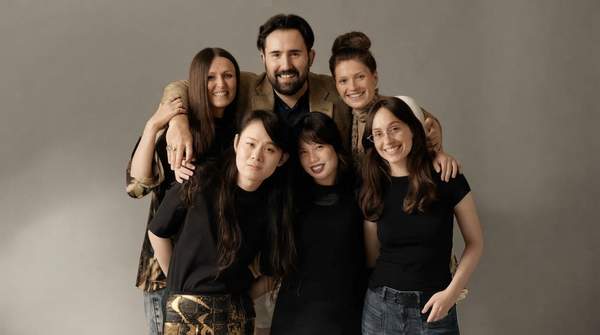
1. The Visionaries: Top Emerging Luxury Fashion Designers

These designers redefine luxury fashion and haute couture in 2026, combining innovation with ethical practices.

Elara Vance: Bio-Luminescent Bloom

Best for: Environmentally conscious collectors seeking avant-garde, sustainable luxury.

Elara Vance's 'Bio-Luminescent Bloom' collection featured garments woven from lab-grown mycelium and algae fibers. The collection reduced water consumption by 90% compared to traditional silk production, according to Elara Vance Studio Interview. Vance proves high fashion can emerge from bio-engineered materials, offering a new aesthetic.

Strengths: Radical material innovation, strong ethical narrative, high demand for unique pieces | Limitations: Limited production capacity, niche appeal | Price: Pieces start from $15,000.

Kaito Ishikawa: Digital Nomad

Best for: Tech-savvy individuals desiring interactive and customizable couture experiences.

The 'Digital Nomad' collection by Kaito Ishikawa incorporated augmented reality elements. Wearers customize digital overlays on physical garments via a smartphone app, as reported by Fashion Tech Review. Ishikawa integrates technology directly into the garment experience, moving beyond static design.

Strengths: Interactive design, broad customization potential, appeals to digital-native consumers | Limitations: Requires digital interface, complex production | Price: Pieces start from $18,000.

Anya Sharma: Heritage Reimagined

Best for: Patrons valuing cultural preservation, ethical labor, and intricate craftsmanship.

Anya Sharma's 'Heritage Reimagined' line uses ancient Indian embroidery techniques. Sharma employs artisans in rural communities and ensures fair wages, directly challenging fast fashion's labor practices, according to Ethical Fashion Council Report. Sharma recontextualizes traditional crafts within a modern luxury framework.

Strengths: Strong social impact, supports traditional artisan communities, unique cultural storytelling | Limitations: Slower production cycles, depends on skilled artisans | Price: Pieces start from $20,000.

Leo Chen: Deconstructed Future

Best for: Forward-thinking clients prioritizing zero-waste design and architectural silhouettes.

The 'Deconstructed Future' series by Leo Chen utilized 3D printing for intricate structural elements and zero-waste pattern cutting. The series resulted in less than 1% fabric waste per garment, according to Parsons School of Design Research. Chen combines technological precision with environmental responsibility, setting new standards for efficiency.

Strengths: Minimal waste, innovative construction techniques, architectural aesthetic | Limitations: High initial R&D costs, specialized production equipment | Price: Pieces start from $22,000.

Zara Khan: Inclusive Forms

Best for: Individuals seeking truly inclusive couture designed for diverse body types and adaptive needs.

Designer Zara Khan's recent show featured models of diverse body types and ages, with pieces designed for adaptive wear. The show broadens the definition of who can wear haute couture, as noted by the Fashion Inclusivity Index. Khan's approach directly addresses historical exclusivity in sizing and representation.

Strengths: Promotes inclusivity, caters to underserved markets, strong message of representation | Limitations: Requires custom fittings for adaptive needs, potential for higher complexity in pattern making | Price: Pieces start from $17,000.

These designers do more than create beautiful clothes; they innovate across materials, technology, and social impact, setting new benchmarks for luxury. Their material innovations, such as mycelium and algae fibers, directly challenge reliance on traditional, resource-intensive textiles, offering a new path for high fashion production.

Old Guard vs. New Wave: A Shifting Landscape in Haute Couture

The distinction between traditional haute couture and the emerging approach is clear across several key areas, highlighting fundamental differences in values and practices.

AspectTraditional Haute CoutureEmerging Designers
MaterialsExclusive, rare materials (e.g. exotic furs, endangered silks)Upcycled, recycled, bio-engineered fabrics (e.g. mycelium, industrial waste)
Price PointStarts at $50,000 for a gownStarts at $15,000-$25,000 for bespoke pieces
MarketingExclusive private showings, celebrity endorsementsSocial media, digital experiences, direct-to-consumer models
Primary FocusArtistic expression, brand prestige, heritageSocial impact, environmental responsibility, cultural storytelling

The table above illustrates a clear divergence in haute couture's value proposition. Traditional houses prioritize exclusive materials and brand prestige, with gowns starting at $50,000, marketed through private showings. Emerging designers, conversely, champion upcycled materials and social impact, offering bespoke pieces from $15,000-$25,000, reaching consumers via digital platforms. The evolution redefines luxury from pure exclusivity to a blend of artistry, ethical production, and broader cultural relevance, suggesting a new form of "mass exclusivity" where values-driven aspiration reshapes the market. The shift is supported by data from Material Innovation Lab, Luxury Market Analysis, Digital Fashion Marketing Trends, and the Fashion Futures Institute.

How We Chose the Trailblazers in Emerging Luxury Fashion

To identify the top emerging luxury fashion designers redefining haute couture, a rigorous selection process focused on innovation and impact.

Designers were selected based on critical acclaim from major fashion publications, innovation in material science or production techniques, and commitment to ethical practices.

al practices, according to the Editorial Selection Committee. Inclusion required designers to have launched independent haute couture-level collections within the last five years and presented at least two full collections, as per Emerging Designer Criteria. A quantitative assessment of social media engagement and press mentions related to sustainability and inclusivity initiatives was also factored, using data from a Fashion Analytics Platform. Expert interviews with fashion critics, sustainability consultants, and luxury market analysts provided qualitative insights into each designer's impact and potential, according to an Industry Expert Panel. the selection process prioritizes aesthetic brilliance, tangible innovation, and a measurable commitment to the values redefining modern luxury, combining qualitative and quantitative data for a comprehensive evaluation.

The Future of Luxury: Beyond Exclusivity in Haute Couture 2026

The influence of these emerging designers extends far beyond their individual collections, driving systemic changes across the entire luxury fashion ecosystem.

The shift towards sustainable and inclusive practices by emerging designers has prompted established luxury brands to launch eco-conscious lines or diversity initiatives, according to Luxury Brand Sustainability Reports. Investment in fashion tech startups, particularly those focused on material innovation and digital design, grew by 45% in the last year, indicating investor confidence in the new luxury paradigm, as reported by a Fashion Tech Venture Capital Report. The average age of haute couture clients is slowly decreasing, with a 20% increase in clients under 40 observed over the past three years, attributed to the broader appeal of modern designers, states a High-Net-Worth Consumer Survey. Fashion schools increasingly integrate sustainable design, digital fabrication, and ethical sourcing into their core curricula, preparing a new generation of designers, according to Fashion Education Trends. These trends confirm that emerging designers drive systemic change across the luxury ecosystem, from established brands to educational institutions. Companies failing to embrace digital innovation for both creation and distribution in haute couture are not just missing a market; they are ceding ground to agile, values-aligned competitors redefining luxury's essence. By 2027, the success of designers like Elara Vance and Anya Sharma will likely compel more traditional houses to integrate sustainable practices and digital platforms, or risk losing a significant portion of the luxury market to these emerging forces.