A true bespoke suit is defined by two things that no other service replicates: a paper pattern drafted from scratch for one body, and a series of fittings in which that pattern is corrected on the client before the garment is finished. Everything else in the process—the consultation, the cloth, the hand-stitching—exists to serve those two steps. Understanding that sequence tells a client exactly what to expect and how to judge whether a tailor is offering genuine bespoke work.
The Bespoke Journey: An Overview
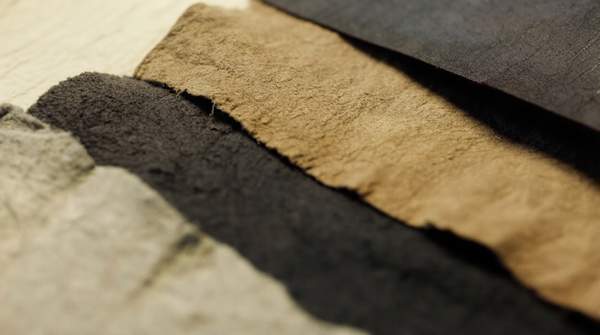
The process begins with a meeting rather than a tape measure. At the initial consultation, the client and the tailor discuss requirements, choose the cloth, and select linings and other details. Only then does the measurement stage follow, because the numbers are meaningless without a sense of what the client wants and how the garment will be worn. As the tailoring house Dege & Skinner describes it, one cutter is dedicated to each customer and remains responsible for overseeing the entire making process, from that first conversation to the delivery of the finished garments.
The scale of the undertaking is considerable. A bespoke pattern is designed and made from scratch based on the client's measurements—often more than twenty of them—and the garment takes considerably longer to produce than a made-to-measure equivalent, according to the encyclopedic account of the craft. Historically, as the tailoring firm Alan David notes, this level of service was reserved for royalty and dignitaries, took many months to commission, and was unaffordable to most. The essential sequence, however, remains the same one a client encounters today.
Stage 2: Precise Measurement and Unique Pattern Creation
Measurement is treated as a discipline in its own right. Alan David is blunt about its importance: a bespoke garment should have a measurement taker who is an expert, because a pattern or an assembled garment is worthless if the measurements are not correct. The recorded figures typically cover the chest, waist, hips, inseam, and arm length, and the resulting pattern is meant to fit precisely through the shoulders and the posture areas—the zones where a standard size fails most bodies.
What happens next is the first non-negotiable marker of true bespoke work. Using all the information gathered during the meeting, the cutter constructs a unique personal paper pattern from nothing. This is the dividing line from made-to-measure, which modifies an existing standard pattern to a client's dimensions rather than drafting a new one. The pattern is then kept on file should further suits be required, alongside the client's personal measurements and full order details—records that, at Dege & Skinner, the client may view at any subsequent appointment, offering a rare glimpse into a normally unseen part of the craft.
Stage 3: Hand-Cutting and the First Basted Fitting
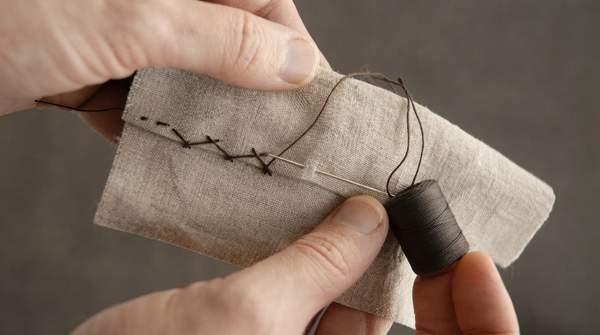
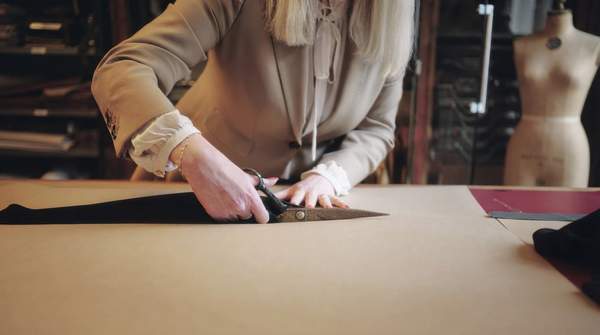
With the pattern complete, the cloth is cut by hand and the pieces are assembled into a bundle for a specialist in-house tailor to sew together with temporary, easily removable stitches. This provisional garment is not a rough prototype; it is the instrument through which the pattern is tested against a real body. At Dege & Skinner, specialist tailors train for between two and six years in a single discipline—coat-making, trouser-making, or waistcoat-making—before working on client garments.
The first appointment at this stage is the baste fitting. The client tries the garments on, and the cutter analyses the fit, balance, size, and shape against the original measurements used to construct the paper pattern. Every part of the process is discussed so the client can see how the clothes will look once the agreed alterations are made. Jean-Paul Samson of De Oost Bespoke Tailoring makes the stakes explicit: in a world where "tailor made" increasingly means taking measurements and modifying a standard pattern, the baste fit has almost disappeared—too expensive, too time-consuming, dismissed as unnecessary with modern techniques. But for anyone who truly understands bespoke tailoring, he writes, "the baste fit is not optional."
Stage 4: Subsequent Fittings and Refinements
One fitting is never the end of the adjustment process. After the baste stage, a second appointment—often called a forward fitting—follows, at which all garments are tried on again and any adjustments are noted and discussed. Critically, these corrections are initiated on the paper pattern first, and only then on the clothes themselves. The pattern, not just the garment in hand, is being refined, which is why the fit improves on every future commission as well.
This iterative loop is the second defining element of bespoke. The client returns multiple times for fittings at successive stages of assembly, as Alan David describes of the traditional process, with the pattern drawn almost from scratch at the outset. The number of fittings can vary with the tailor and the client's figure, but the principle does not: each appointment exists to move the garment closer to a precise fit, particularly in the shoulders and posture areas, before any permanent work is done.
Stage 5: Finishing Touches and Final Delivery
Only after the forward fitting does the final construction begin. The remaining hand-stitching is completed, including handmade buttonholes, and the garment receives a final hand-press before the buttons are sewn on by hand. These finishing operations are the last layer of craft in a process that has already been shaped by two rounds of client-tested adjustment.
Delivery is not a handoff but a conclusion to a supervised process. The cutter who drafted the pattern has overseen every stage from the initial consultation onward, and the finished garment arrives with the client's pattern and measurements archived for future orders. Ralph Lauretta of Sal Lauretta For Men offers a useful framing for the client's role throughout: the steps may differ from tailor to tailor, because every professional approaches the craft in their own way, but understanding the basic sequence lets a client ask the right questions and be sure the end result is exactly what they wanted.
The Bespoke Tailoring Journey: A Step-by-Step Guide
Synthesizing the accounts of these tailoring houses produces a single chronological workflow. Each stage below pairs the cutter's actions with the decisions the client makes and the purpose the stage serves in the finished garment.
| Stage | Key Actions (Tailor) | Client Involvement / Decisions | Purpose of Stage |
|---|---|---|---|
| 1. Consultation | Discuss requirements; record preferences | Chooses cloth, linings, and style details | Establishes the brief before any measurement is taken |
| 2. Measurement | Expert takes chest, waist, hips, inseam, and arm length—often 20+ figures | Stands for measurement; notes posture and fit concerns | Captures the body accurately; a wrong figure ruins everything downstream |
| 3. Pattern creation | Cutter drafts a unique personal paper pattern from scratch | May review pattern and records at later appointments | The defining bespoke act; distinguishes it from adjusted standard patterns |
| 4. Cutting and basting | Cloth hand-cut; specialist tailor sews pieces with temporary stitches | Attends the baste fitting and tries on the garment | Tests the pattern against the body while it can still be changed |
| 5. Baste fitting | Cutter analyses fit, balance, size, and shape; agrees alterations | Discusses how the finished clothes will look | Refines the pattern before permanent construction |
| 6. Forward fitting | Adjustments initiated on the paper pattern, then on the garment | Tries on all garments; notes and discusses further changes | Second iterative correction; the loop that defines bespoke fit |
| 7. Finishing and delivery | Final hand-stitching, handmade buttonholes, hand-press, buttons sewn by hand | Receives the garment; pattern archived for future orders | Completes construction under the cutter's supervision to delivery |
Read down the first column and the article's central claim becomes visible: the stages between measurement and delivery exist to test and correct a unique pattern against a specific body. A tailor whose process skips the pattern-from-scratch step or compresses the fittings into a single try-on is offering something other than bespoke, however it is labelled.
Commissioning Your Bespoke Garment: What to Expect
Clients should expect a highly personalized, iterative process defined by a unique pattern and multiple fittings, requiring active involvement to achieve an unparalleled fit. The practical test is straightforward: the client should observe the tailor drafting a new pattern from scratch and scheduling at least two distinct fittings—a baste fitting and a forward fitting—before final delivery. If both are present, the process is genuine bespoke; if either is missing, the fit being sold rests on a standard pattern rather than the client's own.
Sources
- Bespoke Tailoring Process, Dege & Skinner, Bespoke Tailor & Shirt-Maker
- Bespoke tailoring - Wikipedia — EN
- Bespoke Tailoring — Alan David
- How is a bespoke suit made? — De Oost Bespoke Tailoring
- The Tailoring Process Explained — Sal Lauretta For Men