A luxury garment earns its price through two things you can actually verify: the raw material it is made from and the way it was put together. Full-grain leather, vicuña wool, and extra-long-staple cotton are not marketing abstractions — they are identifiable, measurable grades of material. Likewise, seam handling and finishing details are visible to anyone who knows what to look for. This guide explains those markers so you can judge a garment on its substance rather than its label.
Beyond the Label: What Defines True Luxury Clothing?
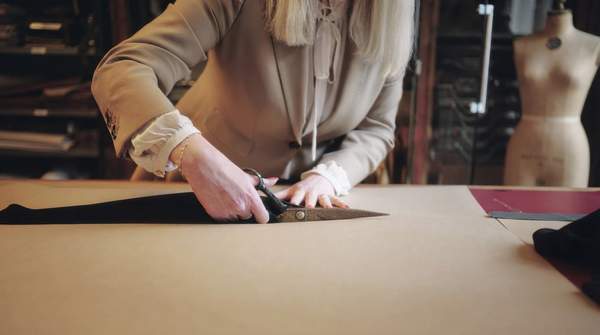
The most reliable way to evaluate any claim to quality, as the Italian fashion house Jennifer Tattanelli's press office puts it, is to understand what craft looks like in practice. Luxury fashion brands worth buying are those whose reputation rests "not on narrative alone, but on the demonstrable quality of what they produce." When a house has been making the same leather good in the same atelier for sixty years, that continuity functions as its own form of guarantee.
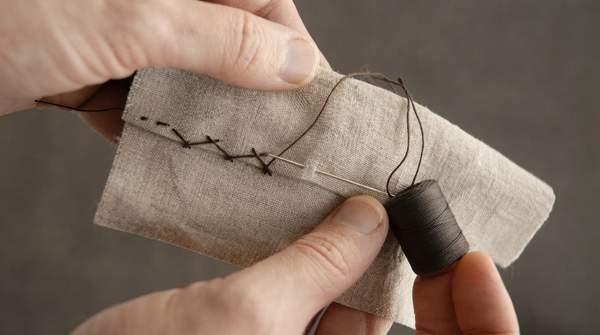
That coherence shows up in the smallest details: the proportions of a lapel, a lining cut on the bias, the particular handling of a seam that becomes, over time, a kind of signature. Heritage, in this framing, implies accountability — the brand can be judged by what it actually makes, not only by the story it tells. This is the standard against which the tangible markers below should be measured.
The Foundation of Luxury: Superior Materials
Quality begins at the source. The breed of sheep that produced the wool, or the region where silk was cultivated, are not incidental variables; they determine the fundamental character of the finished material. Two fibers of the same generic name — "wool" or "cotton" — can differ enormously in fineness and length, and those differences translate directly into softness, luster, and durability.
Consider the measurable extremes. Vicuña is regarded as the finest natural fiber, and textile firms such as Spoerry 1866 and INTIFIL work with blends pairing it with 14-micron Merino wool. Peruvian Pima cotton, one of the softest and finest cottons in the world, reaches fiber lengths of up to 40 mm with a fineness between 3.4 and 3.6 microns, according to INTIFIL's fiber documentation.
At the top of the cotton hierarchy sits West Indian Sea Island cotton — described by the textile knowledge platform SELVANE as the world's rarest fiber, with only roughly 150 bales produced annually in the West Indies. It is handpicked without defoliant agents, gently processed, and prized for its silken sheen, extraordinary softness, and outstanding durability. The ApparelX textile glossary classifies it as an extra-long-staple cotton with a smooth texture, refined luster, and supple hand feel, and cautions that because the term is sometimes applied loosely, buyers should confirm origin, blend ratio, and spinning method in the specifications.
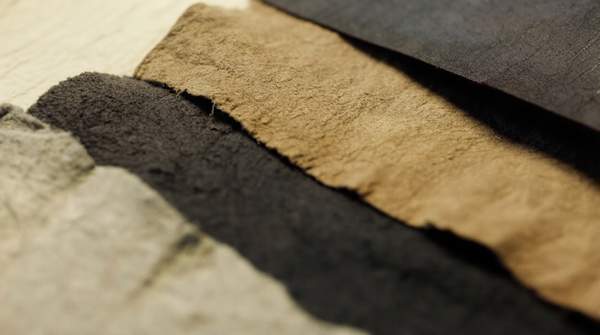
Leather follows the same logic of grading. Full-grain leather comes from the top layer of the hide and is minimally processed; it develops a patina over time that tells the story of its use. That natural surface and durability are what distinguish it from more heavily treated alternatives.