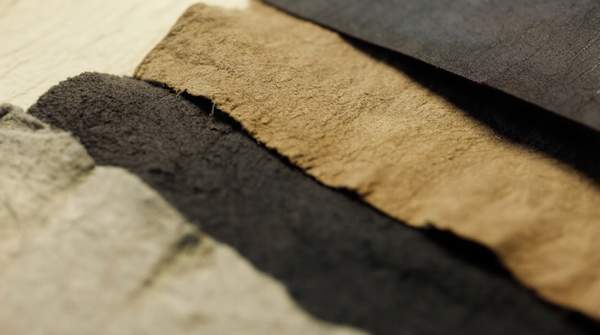
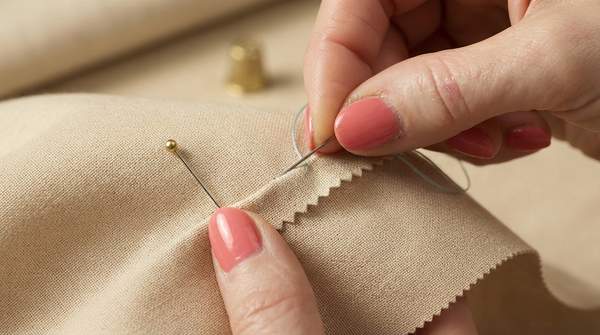
Vicuna wool coats command prices around $20,000, with scarves starting from $4,000, a testament to the extreme value of rare luxury fibers, according to Tissura. These garments signify more than an investment; they embody unparalleled sensory qualities and exclusivity. Such exquisite creations continue to redefine textile artistry, influencing high fashion in 2026.
Yet, despite these exceptionally high price tags, the global market for luxury fabrics is projected for significant growth. This paradox reveals a distinct consumer behavior: a readiness to invest substantially in materials offering superior comfort, performance, and exclusivity.
Clearly, the demand for elevated material properties and bespoke comfort now outweighs mere cost considerations for a growing consumer segment. This trend ensures continued market expansion and innovation within luxury textiles.
Defining True Luxury: Beyond the Label
Supima cotton, often called the 'cashmere of cotton' for its exceptional softness and durability, as noted by Paul James Knitwear, reveals a deeper truth about luxury. True luxury in fabrics transcends exotic rarity; it also resides in the extreme refinement of common materials. This creates new tiers of premium quality within established categories, setting a benchmark for elevated materials.
The pursuit of intrinsic qualities—unparalleled softness, resilience, and meticulous processing—distinguishes these fabrics. It offers consumers a demonstrable upgrade in textile experience, justifying the higher investment. For brands, this implies a strategic shift: focus on enhancing inherent material properties, not just sourcing the rare, to truly define luxury.
The Science of Comfort and Performance
Cashmere, eight times warmer than wool, according to Paul James Knitwear, offers a distinct performance advantage that elevates its luxury appeal. This exceptional insulating property provides a tangible benefit, especially in cooler climates, making cashmere garments highly coveted. Consumers invest in this superior utility, which justifies prices up to $20,000 for a single garment.
Indeed, the demonstrable performance of luxury fabrics drives the market's projected 10.2% CAGR. Performance clearly trumps cost in this segment. Brands must articulate the tangible, superior performance of their luxury materials, like cashmere's warmth, or risk being outmaneuvered by competitors who effectively communicate this functional justification for premium pricing.
Fine Fibers for Sensitive Skin
Merino wool fibers, significantly finer than traditional wool, suit sensitive skin, Paul James Knitwear reports. This characteristic broadens the appeal of luxury fabrics beyond warmth and durability, offering comfort for those with particular sensitivities. The fineness prevents irritation, providing a gentle touch conventional wool cannot match.
This property expands market appeal by addressing a specific, often overlooked, consumer need. The meticulous processing of such delicate fibers ensures a smooth, non-irritating surface, enhancing the overall wear experience and solidifying its premium status for a discerning clientele.
Durability Meets Elegance: The Longevity of Luxury
Silk, one of the strongest natural fibers, according to Paul James Knitwear, ensures luxury garments are not merely beautiful but also enduring. This inherent strength allows silk textiles to withstand regular wear despite their delicate appearance, offering lasting value to the consumer.
This fusion of strength and elegance reinforces the value proposition of high-end textiles. Consumers seeking ultimate quality invest in garments that maintain aesthetic and structural integrity over time. Such durability elevates perceived luxury, providing a practical justification for premium cost and suggesting a shift towards more sustainable, long-term fashion investments.
The Expanding Market for Exclusivity
Beyond Vicuna, other highly expensive fabrics include Shahtoosh, a rare wool from the Tibetan antelope, and specific grades of pure silk from unique silkworm breeds. These materials command high prices due to extreme rarity, complex production, and unique tactile qualities. This pursuit of the truly exceptional fuels a distinct segment of the luxury market.
Fabrics fundamentally define haute couture, dictating drape, silhouette, and texture. The material choice—from stiff duchess satin to fluid chiffon—enables designers to achieve precise artistic visions, directly impacting a garment's final appearance and movement on the runway. This symbiotic relationship between material and design underscores the fabric's intrinsic value in high fashion.
What truly makes a fabric luxurious for clothing encompasses rarity, superior tactile qualities, exceptional performance, and intricate craftsmanship. The global market for Luxury Fabric is projected to reach US$7.4 Billion by 2030, according to Researchandmarkets. A sustained, robust demand for these superior qualities is underscored by this substantial growth, suggesting that exclusivity, when paired with demonstrable excellence, remains a powerful market driver.
Given the luxury fabric market's projected 10.2% CAGR through 2030, high fashion brands will likely continue to prioritize unparalleled material properties and sensory experiences, as discerning consumers increasingly value intrinsic quality over traditional cost considerations.