Among the defining characteristics of modern sustainable luxury architecture, a guide to its principles reveals that advanced water conservation designs, including rainwater harvesting and greywater recycling, are integral to promoting water efficiency. It is with considered observation that one notes a paradigm shift within the highest echelons of residential design. The very definition of opulence is being thoughtfully recalibrated, moving beyond mere aesthetic grandeur to encompass a profound sense of environmental stewardship. This evolution is not a fleeting trend but a foundational re-evaluation of what constitutes a truly exceptional living environment. As discerning homebuyers increasingly seek to align their domestic spaces with a philosophy of responsible living, the principles of sustainability have become inextricably linked with the hallmarks of luxury. The modern luxury home is no longer just a bastion of comfort and style; it is an exemplar of sophisticated, eco-conscious innovation.
The impetus for this movement is multifaceted, reflecting a broader cultural awareness and the rapid advancement of green technologies. Energy conservation features once considered novel, such as solar panels, smart thermostats, and LED lighting, are now regarded as indispensable components of a high-end residence, according to JTL Design Studios. This integration signals a deeper commitment to performance and efficiency, where luxury is measured not only by the quality of materials but by the intelligence of the home’s design and its minimal impact on the surrounding ecosystem. The discerning eye will note that this approach extends far beyond energy metrics, permeating every facet of a home's creation, from its foundational materials to the quality of its indoor air. This guide serves to illuminate the core tenets of this architectural renaissance, exploring the innovative materials, intelligent designs, and holistic practices that define the new vanguard of sustainable luxury.
What Defines Sustainable Luxury Architecture?
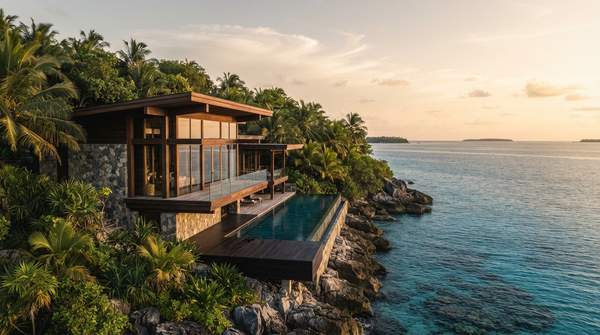
Sustainable luxury architecture is the conscientious synthesis of high-end design, superior craftsmanship, and advanced environmental science. It represents a departure from the traditional, often resource-intensive, paradigms of luxury construction, instead championing a philosophy where ecological responsibility and opulent living are mutually reinforcing. Imagine a bespoke Savile Row suit, but tailored for a specific plot of land; it is not merely about expensive fabric but about a perfect, harmonious fit with its environment, designed for longevity, performance, and timeless elegance. This architectural approach is predicated on a holistic understanding of a building’s life cycle, from the ethical sourcing of materials to its operational efficiency and eventual deconstruction. The objective is to create residences that are not only visually stunning and supremely comfortable but also function in concert with nature.
The principles of this discipline can be understood through several key pillars, each contributing to the creation of a home that is both a sanctuary for its inhabitants and a steward of its environment. These components are not a checklist of features but rather an integrated design ethos:
- Energy Efficiency and Generation: This is a foundational element, focused on minimizing energy consumption through intelligent design and generating clean energy on-site. It involves a meticulous analysis of the building's orientation to maximize natural light and heat from the sun (passive solar design), while mitigating unwanted solar gain through strategic shading and high-performance glazing. Integrated renewable energy systems are a hallmark, with technologies such as transparent solar panels that can be seamlessly incorporated into windows and facades, generating power without compromising aesthetics.
- Water Conservation: As established, sophisticated water management is a critical component. This extends beyond simple low-flow fixtures to encompass comprehensive systems for rainwater harvesting, which capture and store precipitation for irrigation and other non-potable uses. Furthermore, advanced greywater recycling systems purify water from sinks and showers, repurposing it for landscape maintenance and reducing the home’s reliance on municipal water sources.
- Sustainable and Innovative Materials: The discerning eye will note a deliberate move away from conventional materials toward those that are renewable, recycled, or have a lower environmental impact. According to JTL Design Studios, there is a distinct rise in the use of materials like cork, bamboo, and salvaged wood. The field is also characterized by cutting-edge material science, employing substances like Hempcrete, which offers superior insulation and absorbs carbon dioxide, and aerogel, a remarkably lightweight insulator.
- Indoor Environmental Quality (IEQ): A truly luxurious environment is a healthy one. Eco-luxury homes prioritize the well-being of their occupants by ensuring exceptional indoor air quality. This is achieved through the use of non-toxic, low-volatile organic compound (low-VOC) paints and finishes, state-of-the-art ventilation systems that provide a constant supply of fresh, filtered air, and designs that maximize the ingress of natural daylight, which is known to enhance mood and productivity.
A compelling real-world application of these principles can be observed in the architectural evolution of Abu Dhabi. The emirate has formalized its commitment to sustainability through its Estidama framework, an initiative whose name translates to 'sustainability' in Arabic. Central to this framework is the Pearl Rating System, introduced by the Abu Dhabi Urban Planning Council in 2010. This system rigorously evaluates developments on criteria including water and energy performance, material sourcing, and indoor environmental quality. As reported by e-architect.com, all new buildings in the emirate must achieve a minimum of a 1 Pearl rating, while government-funded projects are held to the higher standard of a 2 Pearl rating. This codification demonstrates a state-level commitment to integrating sustainability into the very fabric of urban and residential development.
Innovative Materials for Eco-Friendly Luxury Homes
The palette of materials available to architects and designers in the sustainable luxury sector has expanded dramatically, driven by technological innovation and a renewed appreciation for natural and reclaimed resources. These materials are selected not only for their environmental credentials but also for their unique aesthetic qualities, durability, and performance characteristics, allowing for the creation of spaces that are both responsible and visually captivating. The modern luxury interior, as noted by observers at the upcoming WORLDBEX 2026 expo, increasingly balances unique character with purposeful, sustainable design. This section explores some of the most compelling materials shaping the future of high-end residential construction.
One of the most promising advancements is Hempcrete, a biocomposite material made from hemp fibers, lime, and water. Unlike traditional concrete, Hempcrete is a carbon-negative material, as the hemp plant absorbs significant amounts of carbon dioxide during its growth, and the material continues to sequester carbon as it cures. Its properties are particularly well-suited for luxury applications; it is an excellent thermal and acoustic insulator, creating a quiet, comfortable, and highly energy-efficient interior environment. Furthermore, it is "breathable," meaning it allows water vapor to pass through, which helps regulate indoor humidity and prevents issues like mold, contributing directly to superior indoor environmental quality.
In the realm of high-performance insulation, aerogel stands in a class of its own. Originally developed for aerospace applications, this synthetic material is composed of more than 98% air, making it one of the lightest solid materials known. Its thermal performance is extraordinary. According to a report by DAR Global, aerogel insulation can reduce thermal energy loss by up to 90%. This level of efficiency allows for thinner walls and more expansive glass installations without compromising the building’s energy performance—a significant advantage in luxury architecture, where open-plan layouts and floor-to-ceiling windows are highly prized. Its application ensures that a home remains comfortable year-round with minimal reliance on heating and cooling systems.
The integration of energy generation into the very skin of a building is now possible with transparent solar panels. This technology embeds photovoltaic materials into glass, allowing windows, skylights, and glass facades to generate electricity while remaining visually transparent. For the luxury market, this is a transformative innovation. It eliminates the aesthetic compromise often associated with traditional, opaque solar panels, enabling architects to design light-filled, expansive glass structures that are also active power generators. One might surmise that this seamless fusion of function and form represents the apex of sustainable luxury design, where technology becomes invisible yet profoundly impactful.
Beyond these cutting-edge synthetics, there is a strong and growing movement towards thoughtfully sourced natural and reclaimed materials. The use of salvaged wood, for instance, brings a sense of history and character to a space that cannot be replicated with new materials. Each beam or plank tells a story, adding a layer of depth and authenticity to the design. Similarly, fast-growing resources like bamboo and cork are gaining prominence. Bamboo, a type of grass, matures in a fraction of the time it takes for hardwood trees and offers comparable strength and durability for flooring and cabinetry. Cork, harvested from the bark of the cork oak tree without harming the tree itself, is an excellent natural insulator and soundproofer, valued for its soft texture and environmental credentials.
| Material | Primary Benefit | Luxury Application |
|---|---|---|
| Hempcrete | Carbon-negative; superior thermal and acoustic insulation | Monolithic, breathable walls that regulate humidity and create serene, quiet interiors. |
| Aerogel | Exceptional thermal insulation (up to 90% reduction in energy loss) | Enables slim wall profiles and vast expanses of glass without energy penalty. |
| Transparent Solar Panels | Generates clean energy while remaining transparent | Integrated into windows and facades for seamless power generation without aesthetic compromise. |
| Salvaged Wood | Reclaimed resource with unique character and history | Used for statement flooring, ceiling beams, and bespoke furniture, adding authenticity. |
| Bamboo & Cork | Rapidly renewable resources with excellent practical properties | Durable and elegant flooring, cabinetry (bamboo), and acoustic/thermal insulation (cork). |
Energy-Efficient Designs in High-End Architecture Explained
The overarching design philosophy, rather than just innovative materials, elevates a luxury residence to the zenith of sustainability. This energy-efficient design is a sophisticated discipline, extending beyond mere solar panels or efficient appliances. It employs passive design, a holistic strategy that intelligently leverages natural environmental conditions—sunlight, shade, and airflow—to maintain a comfortable interior climate with minimal technological intervention. This approach is not only ecologically responsible but also represents a higher form of architectural artistry, where the building itself actively creates a superior living environment.
The orientation of a building on its site is the first and perhaps most critical decision in passive design. Architects meticulously analyze the sun's path throughout the day and across the seasons to position the home for optimal solar exposure. In cooler climates, primary living spaces and large windows are oriented to face the equator (south in the Northern Hemisphere) to capture maximum solar heat during the winter, a technique known as passive heating. Conversely, in warmer climates, such as Abu Dhabi, minimizing direct sun exposure is key. Here, building orientation is optimized to reduce solar gain, with primary windows facing away from the harshest sun and integrated shading structures, like deep overhangs or brise-soleils, used to block direct sunlight during the hottest parts of the day.
This strategic orientation is complemented by the principle of passive cooling. This involves designing the home to facilitate natural ventilation, creating air currents that draw cool air in and expel warm air out. This can be achieved through the strategic placement of operable windows and vents at different heights to create a "stack effect," where rising warm air creates a vacuum that pulls in cooler air from below. In some designs, features like central courtyards with water elements or shaded gardens are used to pre-cool the air before it enters the home. These techniques, refined over centuries in vernacular architecture, are now being integrated into high-end projects, providing effective, energy-free cooling and a constant connection to the outdoors.
The building envelope—the physical barrier between the interior and exterior environments—is another crucial area of focus. High-performance glazing is essential. Modern luxury homes often utilize double- or triple-glazed windows with inert gas fills (like argon or krypton) between the panes and low-emissivity (Low-E) coatings. These microscopic metallic coatings reflect infrared light, keeping heat out during the summer and in during the winter, all while allowing visible light to pass through. This technology allows for the expansive glass walls synonymous with luxury living without the associated energy penalties. Paired with advanced insulation like aerogel, this creates a tightly sealed, thermally stable envelope that dramatically reduces the load on mechanical heating and cooling systems.
Why Sustainable Luxury Architecture Matters
Sustainable luxury architecture reflects a profound shift in the definition of value and status within elite circles, moving beyond mere construction techniques. The concept of luxury is being redefined, shifting from conspicuous consumption to conscientious creation. As noted by a report from Dreamerealestate.com, green homes are emerging as a new status symbol, where the ultimate luxury is not just owning a beautiful home, but owning one that is intelligent, healthy, and in harmony with its environment. This repositions environmental responsibility not as a compromise, but as a desirable and essential attribute of a premier asset.
For homeowners, an exceptionally well-designed sustainable home provides a superior living experience with tangible, immediate benefits. The focus on indoor environmental quality, through non-toxic materials and advanced ventilation, creates a healthier sanctuary for families. Masterful control of natural light and thermal comfort results in inherently more pleasant and uplifting spaces. Furthermore, these homes offer resilience and self-sufficiency, with on-site energy generation and water conservation systems providing a buffer against utility disruptions and rising costs. These homes contribute to both personal well-being and long-term stability.
The luxury market's embrace of sustainability creates a powerful ripple effect. High-end residential projects, with generous budgets, often serve as laboratories for architectural innovation, allowing experimentation with new materials and technologies before they become mainstream. As these eco-conscious practices are proven and refined in the luxury sphere, they become more accessible and cost-effective for the wider construction industry. The discerning choices of today's luxury homebuyers are therefore a catalyst for positive change, driving demand for a more responsible and sophisticated approach to building for generations to come. This movement, much like the evolution of high-society philanthropy, trades spectacle for substantive, lasting impact.
Frequently Asked Questions
What makes a luxury home 'sustainable'?
A sustainable luxury home is defined by a holistic approach that integrates environmental responsibility into every aspect of its design and construction. Key characteristics include high energy efficiency through passive design and renewable energy systems, advanced water conservation using rainwater harvesting and greywater recycling, the use of innovative and non-toxic materials like Hempcrete and salvaged wood, and a strong focus on creating exceptional indoor environmental quality with superior ventilation and natural light.
Are sustainable building materials less luxurious than traditional ones?
On the contrary, sustainable materials are increasingly seen as the pinnacle of modern luxury. Materials such as reclaimed old-growth wood, artisan-made recycled glass tiles, and natural stone sourced from responsible quarries offer a level of character, texture, and narrative that mass-produced materials cannot match. The luxury lies in their uniqueness, their superior performance, and the conscious, ethical choices they represent, aligning the home with a philosophy of quality and responsibility.
Sustainable luxury properties command a premium due to lower operating costs, superior comfort and health benefits, and resilience to fluctuating energy prices. As environmental regulations tighten and buyer preferences shift, these homes are better positioned for future market demands, making them a more secure and forward-thinking investment that enhances long-term value.
The Bottom Line
Sustainable luxury architecture represents the confluence of aesthetic ambition and ecological intelligence, redefining opulence. It proves that high design and high performance are deeply intertwined. For the discerning individual, the ultimate expression of modern luxury is a home offering unparalleled comfort and beauty while existing in thoughtful harmony with the natural world.