Mixing metals like gold and silver is an outdated rule, and embracing this freedom adds a modern edge to luxury jewelry stacking. This contemporary approach allows individuals to curate personalized collections, moving beyond rigid, traditional matching sets that once dominated fine jewelry aesthetics. The deliberate defiance of these old conventions now defines a sophisticated look for 2026.
Many believe strict rules govern luxury jewelry styling, but modern aesthetics thrive on purposeful mixing and strategic layering. While some still prefer a uniform style, such as all white gold, according to Ylang23, the prevailing trend emphasizes versatility and individual expression. This dichotomy between tradition and innovation now dictates current luxury trends.
The shift is clear: companies and individuals increasingly prioritize personalized, curated jewelry collections that allow for versatile stacking. This move away from rigid, traditional matching sets signifies that a truly sophisticated aesthetic now demands strategic metal mixing and varied lengths, transcending mere expense.
The Art of Intentional Metal Mixing
Deliberate metal mixing, incorporating elements like rose, white, and yellow gold, introduces contrast and depth to a jewelry stack, as noted by Ylang23. This strategy moves beyond simple rule-breaking to become a conscious design choice. For optimal visual balance, a 70/30 split often performs best when combining metals, featuring a dominant metal like gold with a smaller accent of silver or white gold, according to Eternz. This precise ratio suggests that true elegance isn't just about presence, but thoughtful proportion and a sophisticated understanding of visual weight.
While Mejuri declares metal mixing a modern necessity, Ylang23's endorsement of single-metal uniformity suggests that 'modern' luxury isn't a singular aesthetic. Rather, it is a commitment to deliberate styling choices, allowing for both embracing contrast and maintaining sleek cohesion. Strategic metal mixing, guided by a dominant tone, adds depth and modern sophistication to any jewelry stack, making it appear thoughtfully curated rather than haphazardly assembled.
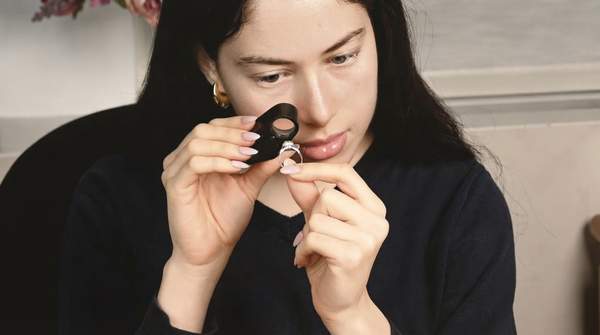
Layering Necklaces and Rings with Precision
Creating a harmonious necklace stack begins with a precise length progression. Start with the shortest piece, typically 14-16 inches, then introduce a medium-length chain measuring 18-20 inches, and conclude with the longest piece, often 22-24 inches, according to Eternz. This structured approach prevents tangling and creates distinct visual tiers. Beyond mere functionality, this precise layering implies a deliberate narrative within the jewelry, guiding the eye through a curated story rather than a jumbled collection.
For rings, the goal is a balanced display that avoids visual clutter. While specific rules for combining textures and styles are often suggested, the overarching principle remains intentionality. This means selecting pieces that complement each other in design or scale, even without explicit guidelines. Intentional variation in necklace lengths and thoughtful ring combinations are fundamental to creating a dynamic yet balanced stacked appearance, reflecting a discerning eye rather than just an accumulation of valuable items.
Avoiding the Over-Cluttered Look
Restraint is crucial when curating a luxury jewelry stack; over-accessorizing diminishes the impact of individual pieces. For instance, bracelet stacking should be limited to three to five pieces to maintain an intentional rather than cluttered look, advises Vrai. The pursuit of a 'luxurious' aesthetic is fundamentally about disciplined curation and strategic arrangement, not merely accumulating high-value items. Over-accessorizing can quickly detract from a luxury look, emphasizing that less can often be more when curating a sophisticated stack. This principle applies across necklaces, rings, and bracelets, where thoughtful selection triumphs over sheer volume. This restraint implies a confidence in the inherent value and design of each piece, rather than relying on sheer quantity to convey opulence.
Smart Solutions for Seamless Stacking
Preventing necklaces from tangling requires attention to subtle engineering details. A 1-inch difference in clasp lengths can significantly reduce overlap between layered necklaces, according to Mejuri. This small distinction ensures each chain hangs independently, maintaining its intended drape.
Further enhancing wearability, using a specialized layering clasp can connect multiple chains at the back, effectively preventing twisting throughout the day, as also noted by Mejuri. The subtle engineering of jewelry, from Mejuri's recommended 1-inch clasp difference to their layering clasps, reveals that true luxury in modern styling is less about the inherent value of individual pieces and more about the meticulous, almost invisible, design choices that ensure a cohesive and tangle-free presentation. Simple tools and mindful spacing can prevent common stacking frustrations, ensuring a polished and comfortable experience.
Common Questions About Stacking
What are the best high-end jewelry brands for stacking?
The best brands for stacking often provide individual, versatile pieces rather than pre-packaged sets. Companies like Mejuri offer specialized layering clasps, which enhance the functionality and ease of creating complex, tangle-free arrangements. Focusing on brands that prioritize adaptable designs allows for greater personalization.
What are the rules for stacking fine jewelry?
Modern luxury styling actively challenges traditional constraints. For example, mixing metals like gold and silver is now considered a modern approach, adding an edgy aesthetic rather than being an outdated rule, according to Mejuri. A significant shift towards personalization and intentional choices over rigid guidelines is reflected.
The Takeaway for Luxury Stacking
By Q4 2026, jewelers like Mejuri will likely see increased demand for adaptable pieces and specialized layering accessories, if consumers continue to prioritize personalized, sophisticated stacking techniques over mere accumulation and rigid adherence to outdated rules.