A recent Sotheby's Home auction revealed a significant market shift. A hand-knotted rug, featuring deliberate, uneven pile variations, commanded a 150% price premium. This surpassed a perfectly smooth, machine-made contemporary piece, according to Sotheby's Home Sales Data. The 150% price premium and the rug's surpassing of a perfectly smooth, machine-made piece signals a profound re-evaluation of luxury. Modern luxury has long been defined by sleek lines and minimalist perfection. Yet, the most coveted new designs intentionally embrace rougher textures and visible imperfections. While some developers still promote 'turnkey minimalist' interiors, a strong shift towards handcrafted elements is evident. As consumers increasingly seek authenticity and sensory depth in their environments, the 'friction-maxxing' aesthetic will likely become the new benchmark for high-end, personalized luxury, valuing experience over pristine appearance. The shift towards handcrafted elements and valuing experience over pristine appearance marks a departure from established norms of flawless production.
What is 'Friction-Maxxing' in Luxury Design?
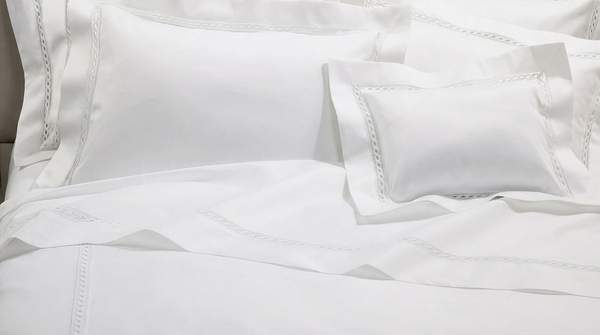
'Friction-maxxing' refers to the deliberate incorporation of varied, often raw textures within luxury interiors. The goal is a multi-sensory environment, engaging both touch and sight. The rise of bouclé and shearling fabrics in high-end furniture, prioritizing softness and tactile appeal, has been a dominant trend, according to Architectural Digest Trend Report 2023. Designers now layer diverse textures—velvet, raw linen, silk, chunky wool—to create visual and tactile depth, according to Interior Design Magazine. Leading figures like Kelly Wearstler intentionally mix rough and smooth, matte and glossy finishes. Kelly Wearstler's intentional mixing of rough and smooth, matte and glossy finishes creates dynamic, engaging environments, according to Interview with Kelly Wearstler. Such deliberate combinations move beyond mere visual appeal, inviting interaction and depth. The aesthetic prioritizes lived-in comfort and a rich tactile experience over sterile perfection.
The 'Why': From Minimalism to Expressive Opulence
The embrace of imperfect, handcrafted elements over mass-produced sleekness reflects a desire for uniqueness and human touch, according to Milan Design Week Observations. Raw, unpolished natural stones like travertine and onyx, with their visible veins and pores, now define high-end interiors, according to Elle Decor Feature. The use of raw, unpolished natural stones prioritizes natural beauty over artificial uniformity. Such material choices align with trend forecasts indicating a significant shift from 'quiet luxury' minimalism towards 'expressive luxury'. This new approach celebrates personality and sensory richness, according to WGSN Trend Forecast. Historically, styles like Baroque and Rococo emphasized texture, ornamentation, and layered materials, according to Art History Review. The historical emphasis on texture, ornamentation, and layered materials suggests a cyclical return to sensory abundance in luxury. The cyclical return to sensory abundance connects modern luxury to historical precedents of rich ornamentation and tactile engagement, rejecting sterile perfection for deeper authenticity.
The Impact: Comfort, Connection, and Value
Tactile environments contribute to psychological comfort and a sense of groundedness. Tactile environments enhance well-being in luxury spaces, according to an Environmental Psychology Journal study. The psychological comfort and well-being translates directly into market behavior. High-net-worth individuals increasingly invest in bespoke furniture with unique, textured finishes, valuing personalization over brand recognition, according to a High-Net-Worth Individual Spending Survey. Bespoke interior firms confirm that high-end clients actively seek unique, personalized spaces that tell a story and reflect their identity, rather than generic luxury, according to Bespoke Interior Firm Client Feedback. Such sensory engagement and personalization justify higher investments. The emotional connection fostered by these spaces directly drives their market value.
Addressing Common Questions About Textured Luxury
How can I incorporate friction-maxxing textures into my home?
Integrating friction-maxxing textures involves careful material selection and layering. Consider a hand-knotted rug with varied pile or furniture upholstered in bouclé. Raw, unpolished natural stone elements, such as a travertine coffee table, also enhance tactile richness.
What are the most popular luxury interior design trends for 2026?
For 2026, trends move towards 'lived-in' luxury, embracing slight wear and patina on textured surfaces, according to Pinterest/Instagram Trend Analysis. The sustainability of natural, durable materials aligns with growing eco-conscious luxury consumer values, as noted by a Green Building Council Report. The sustainability of natural, durable materials includes materials designed to age gracefully.
Does friction-maxxing offer practical benefits beyond aesthetics?
Yes, friction-maxxing provides practical advantages. Sound-absorbing textures, such as thick rugs and upholstered walls, are increasingly used for acoustic comfort in open-plan luxury homes, according to Acoustic Design Solutions. Durable, natural materials also contribute to the longevity and reduced maintenance of luxury spaces.
The Future of Feel: Beyond the Visual
The sustained demand for hand-knotted rugs and artisanal textiles, according to Sotheby's Home Sales Data, clearly demonstrates a market preference for visible craftsmanship and tactile quality. The sustained demand for hand-knotted rugs and artisanal textiles aligns with luxury lifestyle institutes emphasizing a growing focus on the overall sensory experience—beyond purely visual appeal to encompass touch, sound, and even scent, according to a Luxury Lifestyle Institute Study. The growing focus on the overall sensory experience signifies a fundamental shift in how luxury is perceived and consumed. The enduring appeal of friction-maxxing appears rooted in its capacity to deliver a richer, more authentic, and deeply personal luxury experience, transcending fleeting visual trends. By 2026, luxury brands like Loro Piana, renowned for their tactile cashmere and wools, are likely to capture an even greater market share. This will occur by expanding their bespoke, textured home furnishings, as consumers continue to prioritize sensory richness over visual sleekness.