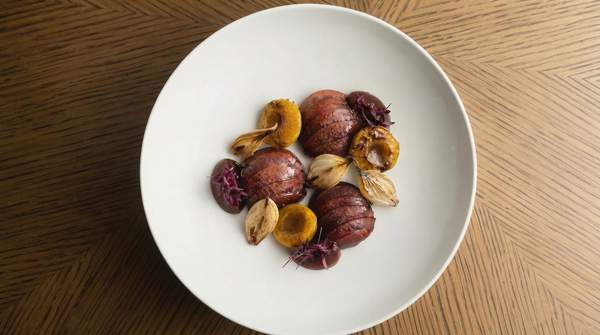
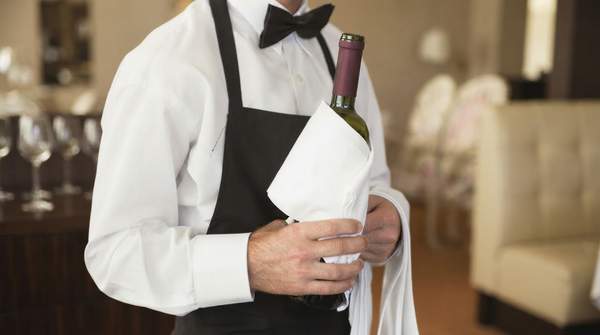
A crisp brut Champagne, seemingly delicate, can surprisingly cut through the richness of fatty liver paté, proving that the best wine pairings often defy conventional wisdom. This unexpected combination showcases how a wine's effervescence and acidity can cleanse the palate, preparing it for the next bite. Such pairings elevate both the food and the wine, creating a more profound and memorable dining experience for those willing to explore beyond traditional boundaries.
While many believe wine pairing is about finding harmonious flavors, some of the most memorable combinations arise from deliberate, surprising contrasts. This tension between expected harmony and unexpected opposition forms the core of truly exceptional culinary experiences. Approaching wine pairing with an open mind to both complementary and contrasting elements will unlock a broader spectrum of culinary enjoyment. For more, see our How Pair Fine Wine with.
This dynamic interplay between food and wine moves beyond simple rules, inviting diners to discover new dimensions of taste and texture. The most memorable wine pairings consistently defy the common wisdom of 'like with like,' instead leveraging bold contrasts to elevate both food and wine in unexpectedly profound ways.
The Art of Harmony: Matching Like with Like
For many, the most predictable and reliable technique for achieving a pleasing food and wine pairing involves matching like with like, according to Winemakermag. This approach focuses on aligning similar flavor profiles and intensities between the dish and the wine. A light, delicate white fish might pair seamlessly with a crisp, unoaked white wine, for instance.
This method creates a seamless experience where the wine and food complement each other without competition. The goal is to enhance the overall enjoyment by allowing both elements to shine in a balanced manner. This strategy often serves as a foundational principle for those beginning to explore wine pairing, offering a safe and consistent path to pleasant combinations.
Beyond the Basics: Understanding Flavor Intensity and Weight
Assessing the distinct characteristics of both food and wine remains crucial for any successful pairing. Factors such as a dish's body, richness, and primary flavor components must be considered alongside a wine's acidity, tannin structure, and aromatic profile. A heavy, cream-based pasta dish, for example, demands a wine with enough body and acidity to stand up to its richness without being overshadowed.
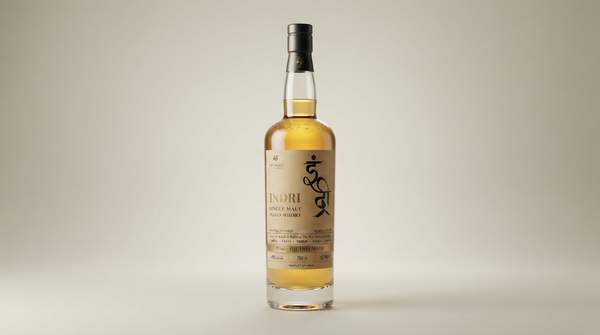
A successful harmonious pairing requires careful consideration of the weight and intensity of both the dish and the wine to ensure neither overwhelms the other. Understanding these nuances allows for more sophisticated matching, moving beyond basic color rules to a deeper appreciation of how different elements interact. This careful balance ensures that each sip and bite contributes positively to the overall gastronomic journey.
The Thrill of Contrast: When Opposites Attract
While matching similar flavor profiles offers a predictable and reliable pairing, truly transformative culinary experiences often emerge from the strategic application of contrasting elements. Some successful pairings involve deliberate contrasts, such as pairing a crisp brut Champagne with fatty liver paté, as noted by the science of food and wine pairing - winemakermag.com. This challenges the assumption that robust dishes always demand equally robust wines.
Rich, fatty dishes pair well with wines that have high acidity or firm tannins, according to Davis Estates. The acidity cuts through the fat, cleansing the palate, while tannins can bind with proteins, softening the wine's astringency and enhancing the dish's texture. This calculated friction between opposing elements creates a dynamic balance that intensifies flavors and refreshes the palate.
Based on Winemakermag's examples, sommeliers and home cooks alike are missing out on truly transformative dining experiences by sticking to the 'safe' route of matching similar flavors, overlooking the power of strategic contrast. The evidence from Davis Estates and Winemakermag suggests that the true artistry of wine pairing lies not in harmony, but in the calculated friction between opposing elements like high acidity and rich fats, demanding a more adventurous approach from consumers.
Elevating the Dining Experience: Why Pairing Matters
Thoughtful wine pairing significantly enhances culinary enjoyment and appreciation, transforming a meal into an immersive sensory adventure. When a wine and a dish are perfectly matched, whether through harmony or contrast, new dimensions of flavor and texture emerge. This synergy elevates both components, making each element taste better than it would alone.
Understanding these principles transforms a simple meal into a memorable gastronomic journey, unlocking new dimensions of flavor and texture. It allows diners to explore the intricate relationships between different tastes and aromas. This deeper engagement fosters a greater appreciation for the craftsmanship involved in both winemaking and cuisine, enriching the entire dining occasion.
Common Pairing Questions Answered
How do you pair wine with complex dishes?
Pairing wine with complex dishes involves identifying the dominant flavor component or the most prominent texture. For a dish with multiple strong elements, consider which one defines the overall character. A rich, umami-laden stew, for example, might call for a robust red wine with earthy notes to complement its depth, rather than a light white.
What are the best wine pairings for French haute cuisine?
French haute cuisine often benefits from classic regional pairings that have evolved over centuries. A delicate Pinot Noir from Burgundy frequently complements coq au vin or roasted duck, while a crisp Sancerre or Pouilly-Fumé from the Loire Valley pairs beautifully with fresh seafood or goat cheese. These traditional matches often highlight the terroir and specific culinary traditions of a region.
How does regional cuisine affect wine pairing choices?
Regional cuisine inherently influences wine pairing choices because local dishes and wines often develop together, creating natural synergies. A spicy Italian arrabbiata sauce, for instance, finds its match in a high-acid, fruit-forward Sangiovese from Tuscany, where the grapes are grown. This local connection ensures that the wine's characteristics are ideally suited to balance or enhance the flavors of the regional food.
Your Guide to Confident Wine Pairing
Armed with the knowledge of both harmonious and contrasting principles, anyone can confidently explore the vast world of food and wine pairings. Moving beyond rigid rules allows for a more adventurous and ultimately rewarding approach to dining. This flexibility encourages experimentation, leading to personal discoveries of truly exceptional combinations.
To confidently navigate these choices, consider attending a tasting event at a local winery like Davis Estates, which often hosts educational sessions on advanced pairings. By Q4 2026, many such establishments will likely offer interactive workshops, providing practical experience in applying these varied techniques to enhance your culinary journey.