How Artisan Leather Craftsmanship Blends Heritage and Modernity

A master craftsman spends years developing an intimate understanding of a single set of tools, allowing them to etch stories and memories into hide that machines cannot replicate.

SD
Sebastian Duval

April 15, 2026 · 4 min read

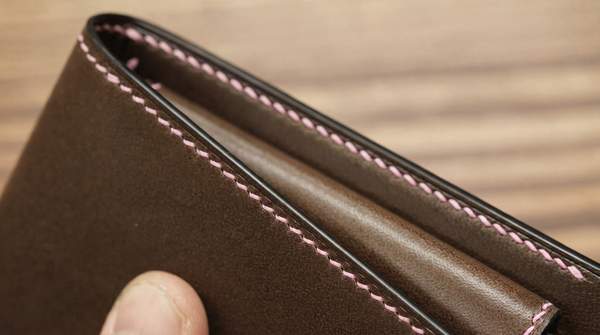
Master artisan's hands skillfully tooling intricate designs onto a piece of high-quality leather, showcasing traditional craftsmanship.

A master craftsman spends years developing an intimate understanding of a single set of tools, allowing them to etch stories and memories into hide that machines cannot replicate. This profound connection transforms simple materials into objects imbued with personal history and unparalleled character. The meticulous process ensures each piece carries a unique human signature.

Luxury production increasingly favors efficiency and scale, but the true value of high-end leather goods still resides in the unique, time-intensive human touch. This tension challenges the very definition of opulence in a market often driven by volume.

As consumers increasingly seek authenticity and sustainability, the demand for truly handcrafted luxury leather goods, with their inherent narrative and durability, appears likely to grow.

Tooling leather, as Fabulive notes, is a transformative process. It allows artisans to imbue hide with a tactile eloquence, creating a vessel for memory and narrative. This intricate interaction elevates a simple object, asserting that genuine luxury remains inherently unscalable due to its deeply personal creation.

The Enduring Philosophy of Artisan Leatherwork

Artisan craftsmanship emphasizes the unique characteristics of each piece of leather, adapting techniques to maximize the material's natural beauty and functional properties, states Bespoke-bags. This bespoke interaction ensures human touch is not merely an aesthetic flourish. Rather, it is a fundamental commitment to the material's integrity, making true luxury inherently non-standardized and resistant to mass production.

Unlike industrial processes, artisan craftsmanship involves a dynamic dialogue with each unique piece of leather. True artisan work respects and enhances the raw material, rather than imposing a uniform design. Companies claiming 'luxury' while pursuing scalable, standardized production fundamentally misinterpret this core value: the irreplaceable human narrative etched by a master craftsman's intimate, years-long relationship with their tools.


The Craftsman's Arsenal: Tools of the Trade

Essential tools for tooling leather include sharp knives, stamping chisels, bevelers, modeling spoons, and mallets, each designed for specific tasks, reports fabulive.com. The precision and variety of these specialized instruments confirm the intricate skill required for traditional leather artistry. Master craftsmen develop deep, personal relationships with these tools, transforming them from mere implements into extensions of their memory and skill. This intimate connection allows for an unparalleled level of detail, making each piece a unique testament to the artisan's journey.

This deep bond directly enables the etching of human touch and storytelling into the hide. The tool itself becomes a repository of craft knowledge and narrative, proving that the 'transformative process' of tooling leather imbues luxury items with a deeper value than mere utility or aesthetics. It signifies an investment in heritage and individual expression.

Challenges in Preserving Heritage Skills

Maintaining traditional craftsmanship in 2026 faces significant hurdles. The intensive training and dedication required for mastery present substantial barriers to entry and succession for new artisans. Aspiring craftsmen must commit years to apprenticeship, often without immediate financial returns, to acquire the nuanced skills necessary for high-end leatherwork. This arduous path threatens the continuity of a craft that thrives on generations of accumulated wisdom.

This lengthy development process means genuine high-end leather goods cannot be mass-produced without sacrificing the very 'tactile eloquence' and 'storytelling' that defines their luxury status. The inherent uniqueness of each leather piece, requiring artisans to adapt techniques rather than follow a rigid blueprint, further complicates efforts to scale production, thereby limiting market supply to truly discerning collectors.

Appreciating True Craftsmanship

Consumers can identify genuine artisanal leather goods by looking for subtle variations and material integrity. Understanding these signs of true handcraft enhances appreciation and informs purchasing decisions. Authentic pieces often exhibit slight imperfections or unique textures that result from the craftsman's direct interaction with the material, distinguishing them from mass-produced items. These nuances are not flaws; they are hallmarks of authenticity, signifying bespoke creation over factory uniformity.

The deep, personal relationship master craftsmen develop with their tools ensures each luxury item carries an emotional and historical resonance. This intimate interaction with tools and material is the true, irreplaceable differentiator for high-end goods. Consumers seeking unique, durable, and meaningful luxury items will find this level of quality in handcrafted pieces, recognizing it as an investment in enduring artistry.

Common Questions About Handcrafted Leather

What are traditional leatherworking techniques?

Traditional leatherworking encompasses methods such as saddle stitching, a robust hand-sewing technique known for its durability, and skiving, which involves thinning leather edges for a refined finish. These techniques prioritize strength and aesthetics, often requiring specialized tools and years of practice to master. The focus remains on enhancing the material's natural properties rather than machine-driven uniformity.

How is heritage leather craftsmanship preserved?

Heritage leather craftsmanship is primarily preserved through dedicated apprenticeships and mentorship programs where master artisans pass down their intricate knowledge and skills to a new generation. These initiatives often involve years of hands-on training, focusing on a deep understanding of materials, tools, and historical techniques. Preserving these skills ensures the continuation of the human story etched into luxury leather goods, securing the craft's future.

What makes luxury leather goods high quality?

High-quality luxury leather goods are defined by the master craftsman's intimate, years-long relationship with their tools and the hide, which etches an irreplaceable human story into each piece. This results in superior durability, unique aesthetic character, and a tactile eloquence that mass-produced items cannot replicate. The bespoke interaction with each piece of leather ensures its inherent beauty and function are maximized, elevating it beyond mere utility.

Beyond Utility: The Soul of the Handcrafted

The profound connection between artisan and material, forged through years of intimate interaction with specialized tools, establishes a unique narrative within each luxury leather piece. This irreplaceable human signature, which mass production cannot replicate, remains the ultimate differentiator for high-end goods. Such an enduring value proposition suggests that by Q4 2026, brands prioritizing genuine artisanal techniques, like Hermès with its bespoke leather workshops, will likely continue to command premium market positions.