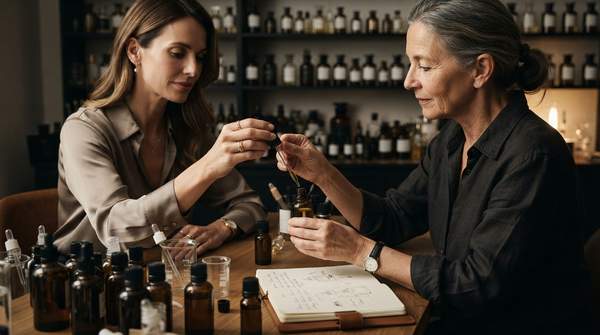
Sales of refillable, eco-friendly luxury toiletry kits surged 45% last year, far outpacing general luxury goods growth, signaling a profound shift in affluent traveler priorities, moving beyond traditional brand prestige towards sustainable and conscious consumption. Affluent travelers increasingly demand hyper-personalized and sustainable luxury toiletries, but the specialized production and sourcing required often results in significantly higher costs and limited scalability. This tension challenges established brands reliant on large-scale manufacturing.
Based on current consumer trends and market investments, the luxury travel toiletry sector appears poised for continued fragmentation and innovation. Smaller, agile brands will likely capture significant market share by focusing on bespoke, ethical solutions, while larger players struggle to adapt quickly.
The Rise of Conscious Luxury Travel
The EcoLuxe Market Report confirms a 45% year-over-year growth in refillable, eco-friendly luxury toiletry kits, according to 2023 data. This surge aligns with findings from Luxury Travel Insights, which reported 78% of high-net-worth travelers are willing to pay a premium for custom-blended skincare or haircare in travel-sized formats, according to 2023 data. The Deloitte Luxury Consumer Survey further notes that Millennials and Gen Z, now 55% of luxury travel accessory purchasers, prioritize brand values and ethical sourcing. The Ethical Consumer Report adds that 70% of luxury consumers demand full transparency regarding ingredients and sourcing. Collective data indicates that affluent travelers no longer seek mere premium products; they demand offerings aligned with personal values and bespoke experiences. Traditional mass-market luxury brands clinging to mass-produced, single-use hotel amenities are actively alienating their most discerning customers, effectively ceding future market leadership.
Innovation Driving Bespoke and Eco-Friendly Solutions
Innovation is rapidly redefining luxury toiletries. Sustainable Beauty Review highlights brands like "Aura Botanicals" introducing solid shampoo and conditioner bars made with upcycled ingredients and biodegradable packaging. Packaging World reported on "TerraPack" developing compostable, water-soluble sachets for luxury serums, reducing plastic waste by 90%. Advancements demonstrate how creative design and technology deliver on both personalization and sustainability. Online platforms now allow consumers to virtually "build" their own travel toiletry kits, showing a 15% higher conversion rate, according to E-commerce Innovations. High-end hotels are increasingly partnering with niche luxury toiletry brands for bespoke in-room amenities, enhancing guest experience, as noted by Hospitality Net, signaling a fundamental shift in how luxury is delivered, moving from product to experience.