Despite maintaining no official presence, Chanel products garner over 1,244 pins on Pinterest daily, according to Venture Harbour. The immense organic reach of over 1,244 pins on Pinterest daily confirms the potent, unmanaged desire luxury brands inherently command. Such figures reveal a paradox: brands already possess significant global appeal, yet increasingly pursue formal collaborations for growth.
Luxury brands actively seek collaborations to broaden their appeal and market share. Yet, this pursuit often conflicts with their foundational principles of exclusivity and unique identity. This tension demands a delicate balance from brands navigating contemporary market demands.
The future of luxury will be defined by a precise equilibrium between strategic expansion through partnerships and the vigilant preservation of brand heritage. This approach forces a re-evaluation of what 'luxury' truly means in a connected world, particularly as brands strive to maintain their intangible allure while accessing new demographics through collaborations.
What Defines a Luxury Collaboration?
Luxury collaborations manifest in various forms, from tangible product mergers to intangible shared experiences. The Gucci and Riva collaboration, for instance, yielded the Aquariva by Gucci—a boat exemplifying two distinct brands merging into a singular product, according to Markus Kramer. Such partnerships forge novel offerings by combining the craftsmanship and design philosophies of both entities.
Conversely, Patek Philippe's advertising campaigns featuring the Orient Express illustrate an intangible collaboration. Here, two luxury names appear together without merging physical products, as noted by Markus Kramer. This approach leverages shared prestige and aspirational values to enhance brand perception, rather than creating a new co-branded item. Grasping these distinctions is crucial; the partnership's nature dictates its strategic intent and potential outcomes for market reach and brand perception.
The Strategic Imperative: Why Brands Collaborate
Co-branding allows luxury brands to access each other’s customer bases, significantly expanding market reach and visibility, according to Markus Kramer. This strategic maneuver enables brands to tap into new demographics, often those disengaged with a single brand's offerings. Appealing to younger luxury consumers frequently involves collaborations with influential figures in music and fashion, such as Travis Scott, as highlighted by Globalbay.
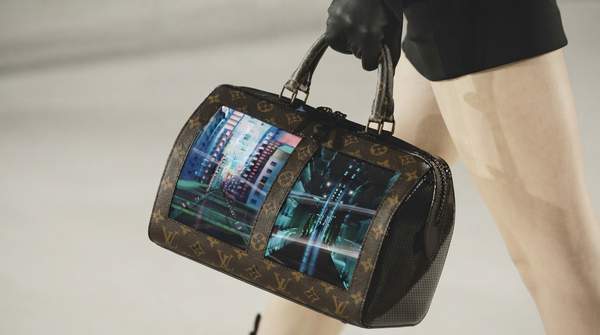
Luxury collaborations frequently leverage limited editions and exclusivity, enhancing desirability and prestige, Globalbay reports. This tactic generates urgency and uniqueness, driving consumer interest and positioning the collaboration as a coveted item. Such partnerships are essential for luxury brands to maintain relevance, expand their market footprint, and cultivate new generations of consumers by tapping into novel cultural touchpoints and perceived scarcity.
The Perilous Path: Risks to Brand Identity
Luxury brands face potential threats to their identity from co-branding, according to Researchgate. While some collaborations utilize limited editions to enhance exclusivity, as Globalbay suggests, the inherent exposure to broader audiences through co-branding risks a long-term erosion of the brand's unique identity. This tension—between expanding market reach and preserving an exclusive image—is a central challenge for luxury brands.
The pursuit of broader market exposure through collaborations, while offering immediate gains, must be carefully balanced against the potential dilution of the unique identity and exclusivity that define luxury. This dilution can occur through perceived mass-market accessibility or a departure from established brand values, ultimately compromising the brand's core allure. This suggests that the very mechanisms luxury brands employ to maintain exclusivity within collaborations may be insufficient to prevent long-term identity erosion from broader market exposure.
Preserving Exclusivity Amidst Collaborations
Luxury brands' revenue nearly tripled from €120 billion in 2003 to €362 billion in 2023, according to Vogue College. The LYST Index, a key indicator of a brand's Intangible Value, measures online searches and consumer desire. Yet, companies like Chanel, despite generating immense organic desire and digital presence, increasingly turn to formal collaborations. This suggests a fundamental misunderstanding of their own intrinsic brand power, risking the dilution of their core identity for potentially unnecessary market expansion.
The current trend of luxury collaborations, while boosting short-term revenue, represents a dangerous gamble. Brands trade the intangible allure that defines luxury—as measured by indicators like the LYST Index and highlighted by Vogue College—for fleeting market share. This exchange risks devaluing their core identity in the long run. This dynamic reveals a critical conflict between immediate commercial gains and the preservation of a luxury brand's distinct appeal.
The strategic choice between expanding market reach and preserving brand exclusivity remains a pivotal concern for luxury brands. Agile brands, meticulously selecting partners and crafting collaborations to expand without compromising core identity, will likely succeed. By Q3 2024, brands like Gucci must meticulously review their collaboration portfolios, ensuring long-term equity is not sacrificed for transient market presence.