In Portugal's Aveiro region, only 50 moliceiro boats remain from a fleet of 3,000 in the 1970s. These dwindling vessels now represent the pinnacle of authentic luxury for travelers seeking a true sense of place. Vibrant and hand-painted, these boats, once common for harvesting aquatic plants, offer a rare glimpse into a vanishing cultural heritage. Their stark reduction, from thousands to mere dozens, confirms scarcity and genuine heritage are the new markers of luxury, valued above conventional opulence, according to Forbes.
Luxury travelers readily pay premium prices for experiences inherently less polished, more 'real.' Yet, the industry often struggles to move beyond its traditional focus on standardized perfection. This creates a fundamental tension between discerning clientele and established models of high-end hospitality.
Given the increasing demand for unique cultural immersion and local connection, the luxury travel market will likely re-evaluate what constitutes 'luxury,' favoring authenticity and distinctiveness over predictable opulence.
What Defines Luxury Travel in 2026?
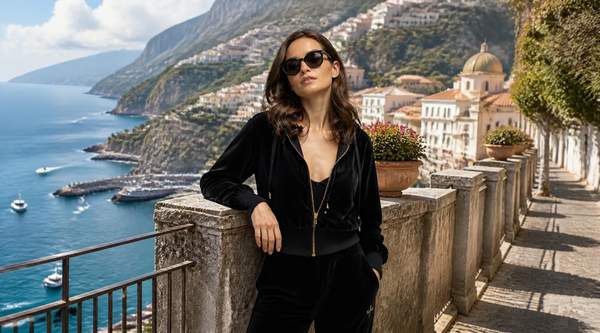
Today's travelers pursue personalized experiences and cultural connection. Many travelers actively seek lesser-known regions, like Sicily and Puglia, a deliberate rejection of mainstream luxury destinations in favor of undiscovered authenticity, according to Travel And Tour World. The value of a journey now resides in its depth and emotional resonance, moving beyond mere material extravagance. Luxury is no longer solely about opulent amenities but about immersing oneself in a distinct cultural narrative.
The Data Speaks: Overwhelming Demand for Authenticity
- 87% — of luxury travelers say authentic, exclusive cultural experiences will matter more to them in 2026, according to Forbes.
- 100% — of US travel advisors surveyed reported that it was important for a hotel to offer an authentic sense of place versus a cookie-cutter brand design, according to HospitalityNet.
- 97.5% — of respondents indicated that location was the most important factor when choosing a hotel, according to HospitalityNet.
The figures confirm that both industry experts and discerning travelers prioritize genuine local character and a distinct sense of place. The universal agreement among travel advisors on authenticity further solidifies this shift in demand.
Beyond the Brochure: The Cultural Imperative
In 2025, UNESCO added 69 practices to its lists, with 11 placed on the List in Need of Urgent Safeguarding, according to Forbes. The global emphasis on safeguarding unique cultural heritage drives travel choices among luxury clientele. The dwindling supply of truly authentic experiences, like Portugal's moliceiro boats or those on UNESCO's 'urgent safeguarding' list, paradoxically elevates their value as the ultimate luxury. Engaging with these endangered practices becomes a premium experience in itself, inviting deeper interaction beyond mere observation.
Authenticity in Action: The Human Connection
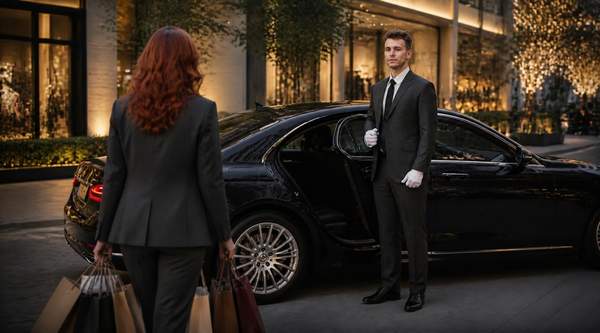
Human connection is a key differentiator for luxury travelers. Six in 10 luxury clients commented about the warm and welcoming service they received upon return from their trip, according to HospitalityNet. This suggests that the quality of service and the authenticity of interactions often leave a more lasting positive impression than the initial draw of a prime location.
The Future of Luxury: Prioritizing People and Place
Luxury hotels that prioritize prime locations over cultivating genuinely warm and welcoming service fundamentally misinterpret what creates lasting value and repeat business for today's discerning travelers.
- Despite 97.5% of luxury travelers identifying location as the most important factor when choosing a hotel, only 21.3% actually mention a great location upon their return, according to HospitalityNet.
While location serves as a primary filter for initial selection, lasting positive memories and perceived value are ultimately created by the overall experience delivered by staff and service. Genuine human connection, rather than just physical surroundings, defines true authenticity and drives satisfaction for luxury travelers.
By Q3 2026, luxury hotel groups like Marriott will likely face diminishing returns if their offerings do not actively prioritize genuine cultural immersion and exceptional, personalized service over standardized opulence.