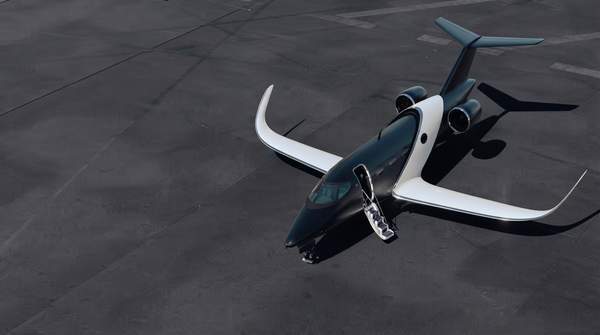
The private aviation sector is actively pursuing a future with significantly reduced environmental impact, driven by a collective commitment to achieve net-zero carbon emissions by 2050. This ambitious goal is being addressed through a multi-faceted approach that includes the adoption of Sustainable Aviation Fuels (SAFs), advancements in electric and hybrid aircraft technology, and the implementation of carbon offsetting programs. For environmentally conscious travelers, understanding these initiatives is key to making informed choices that align luxury travel with environmental values.
The industry's commitment, as outlined by the Business Aviation Commitment on Climate Change, includes a continuous 2 percent annual improvement in fuel efficiency through 2030, alongside the ultimate net-zero target for 2050. This transformation is not merely a trend but a necessary evolution, integrating greener technologies and methods to ensure that private flight can continue without compromising the planet, according to Matthew Crumley writing for FlyUSA.
The Drive Towards Sustainable Private Aviation
The private aviation industry is undergoing a significant transformation, with sustainability at the forefront of its strategic planning. Major industry bodies, manufacturers, and operators have aligned with the Business Aviation Commitment on Climate Change, setting aggressive, measurable targets for environmental performance. The International Air Transport Association (IATA) emphasizes that achieving net-zero CO2 emissions by 2050 will necessitate a combination of maximizing emission elimination at the source, alongside offsetting and carbon capture technologies.
This commitment extends beyond just fuel and aircraft design. Luxury cabins, once solely focused on opulence, are now being reimagined with eco-conscious materials such as responsibly sourced woods, recycled leathers, and non-toxic finishes. Freestream Aircraft notes that private jet travelers are increasingly expecting these greener cabin solutions, demonstrating a growing demand for travel that combines luxury with environmental conscience.
The future of sustainable private travel is still evolving, but trends indicate movement in the right direction. Collaboration among stakeholders, including airlines, fuel producers, governments, and international organizations, is crucial for creating a more sustainable aviation sector, as highlighted in research published by MDPI.
Sustainable Aviation Fuels (SAFs): A Key Decarbonization Lever
Sustainable Aviation Fuel (SAF) represents one of the most significant advancements in reducing aviation emissions. Unlike conventional fossil fuels, which release carbon trapped underground, SAF operates within a closed-loop carbon cycle, according to the Global Bioenergy Partnership. These specially designed fuels meet stringent sustainability criteria, including a substantial reduction in lifecycle greenhouse gas emissions compared to traditional jet fuel.
SAFs can be produced from various sustainably sourced materials, known as feedstocks. These include used cooking oil, biomass waste and residues, and renewable energy and carbon. Different technology pathways can convert these materials into SAF, with lifecycle carbon emission reductions varying by fuel type. The International Civil Aviation Organization (ICAO) sets stringent sustainability and lifecycle emissions-reduction criteria under its Carbon Offsetting & Reduction Scheme for International Aviation (CORSIA) framework, which SAFs must meet to qualify under international sustainability frameworks.
The adoption of SAFs is considered the most significant leap forward in reducing aviation emissions, offering up to an 80% reduction in lifecycle greenhouse gas emissions compared to conventional jet fuel. SAFs are compatible with existing aircraft and infrastructure, making them an immediate and practical solution for decarbonization. Global production of SAF is projected to reach 2.4 million tonnes in 2026, doubling the 2024 figures, according to the International Air Transport Association.
Electric and Hybrid Aircraft: The Future of Flight
Technological advancements are also contributing to more efficient aircraft design, including aerodynamic improvements and the development of electric and hybrid aircraft. These innovations are expected to significantly reduce or even eliminate carbon emissions in the long term. Electric and hybrid engines represent major advancements in eco-friendly technology for private aviation, alongside developments in lighter structural materials, as noted by FlyUSA.
While promising, electric and hybrid aircraft are still largely in the research and development phase. Their widespread application, particularly for longer flights, is a future trajectory rather than a current reality. These systems are anticipated to play a role in future private aviation, especially for short-haul flights, as they continue to be refined. The ultimate objective of achieving net-zero carbon emissions by 2050 will depend on the continued refinement of aircraft aerodynamics and, eventually, the introduction of hybrid-electric or hydrogen propulsion systems for short-haul flights, according to the Global Bioenergy Partnership.
Carbon Offsetting and Operational Efficiencies
Beyond fuel and aircraft technology, carbon offsetting programs and operational efficiencies offer additional pathways to reduce the environmental footprint of private aviation. Carbon offsetting involves balancing flight emissions by supporting projects that reduce or remove an equivalent amount of carbon elsewhere. Travelers can opt for these programs to counteract the environmental impact of their flights, with some providers, such as FlyUSA, offering carbon offset options as part of their sustainable travel commitments.
Operational efficiencies also play a crucial role. These include adopting efficient flight operations and maintenance practices, which help reduce environmental impact. For instance, structured jet card programs can consolidate demand across managed fleets, making it easier to accept optimized routings and empty legs. These programs often include SAF buy-in options, offering practical steps to lower emissions per trip while preserving flexibility and predictable pricing, as explained by the Global Bioenergy Partnership.
Choosing newer aircraft models equipped with the latest fuel-efficient technologies can also make private jet travel more sustainable. These aircraft are designed to reduce fuel consumption, thereby lowering emissions. By making conscious travel choices, private jet users can drive the demand for sustainable aviation practices and encourage more providers to adopt greener solutions, according to FlyUSA.
Sustainable Private Aviation Practices at a Glance
| Practice Type | Mechanism | Current Status/Impact | Future Potential/Challenges |
|---|---|---|---|
| Sustainable Aviation Fuels (SAFs) | SAFs are bio-based or synthetic alternatives to conventional jet fuel, derived from renewable resources like algae, waste oils, plants, and animal fats. They reduce lifecycle greenhouse gas emissions by up to 80% compared to fossil fuels through sustainable sourcing and production pathways like HEFAs and Fischer-Tropsch, with safeguards against deforestation. | SAFs are compatible with existing aircraft and infrastructure, making them an immediate solution for decarbonization. Their use is a significant leap forward in reducing aviation emissions. | Continued scaling of SAF production and broader adoption are essential for meeting industry net-zero goals. |
| Electric and Hybrid Aircraft | Electric and hybrid aircraft utilize electric motors, potentially combined with traditional engines or hydrogen, for propulsion. These technologies are part of ongoing research and development efforts to decarbonize aviation. | These aircraft are expected to play a role in future private aviation, particularly for short-haul flights. | Their widespread application is still in development, with limitations in range and capacity, making them a future trajectory rather than a current reality for all flight types. |
| Carbon Offsetting Programs | Carbon offsetting balances flight emissions by supporting projects that reduce or remove an equivalent amount of carbon elsewhere. Travelers can opt for these programs to counteract the environmental impact of their flights. | These programs offer a way to mitigate emissions from current flights that cannot yet be fully decarbonized. | Effectiveness depends on the quality and verification of offset projects. |
| Traveler Influence & Operational Efficiency | Travelers can influence sustainability by choosing fuel-efficient aircraft and engaging with optimized booking programs. Selecting newer aircraft models and participating in jet card programs can lead to reduced fuel consumption and optimized routings. | These choices directly contribute to market demand for sustainable options and improve the overall efficiency of private aviation operations. | Requires traveler awareness and willingness to prioritize sustainable features when booking. |
| Industry Commitment | The private aviation industry aims for net-zero carbon emissions by 2050, with interim goals for fuel efficiency. This commitment drives the adoption of SAFs, new aircraft technologies, and operational improvements. | This overarching goal provides a framework for all sustainable practices within the industry. | Achieving this target requires massive scaling of SAF production and continued technological refinement. |
Making Eco-Conscious Choices as a Private Traveler
As a private jet traveler, your choices hold significant power in shaping the future of sustainable aviation. By making conscious decisions, you can drive demand for greener solutions and encourage providers to invest further in sustainable practices. One practical step is to prioritize operators that offer Sustainable Aviation Fuels (SAFs) or provide SAF buy-in options, as SAFs are compatible with current aircraft and offer substantial emission reductions.
When booking, inquire about the fuel efficiency of the aircraft. Opt for jets with newer technology that reduces fuel consumption, as these models are designed to be more aerodynamic and efficient. Additionally, consider services that offer carbon offset programs to balance the environmental impact of your flights. Ventura Air Services, for example, offers a jet card program that emphasizes efficiency, provides carbon offset options, and supports sustainable aviation fuels.
Beyond specific flight choices, you can influence the market by actively requesting eco-friendly options from providers and supporting innovation in sustainable technology. Promoting awareness of your eco-conscious travel choices can also spark broader interest and encourage others to adopt similar practices. Look for certifications that indicate sustainable practices, as these often assess emissions and fuel efficiency standards, providing a clear benchmark for environmentally friendly aircraft.
Navigating Sustainable Private Aviation Choices
Eco-conscious private jet travelers should prioritize operators offering Sustainable Aviation Fuels (SAFs) and newer, fuel-efficient aircraft, while also considering reputable carbon offsetting programs. An increase in the availability and uptake of SAFs, alongside the introduction of more electric/hybrid aircraft models for private use, will signal progress.
Sources
- Evolution of Sustainable Practices in Private Aviation — Lunajets
- Are There Eco Friendly Private Jets: Exploring Sustainable Aviation Options - Private jet charter flights by FlyUSA
- Sustainable Aviation Fuel (SAF) — IATA
- How Sustainability Is Transforming Private Aviation - Freestream Aircraft
- MDPI
- The Green Evolution of Private Aviation: How Bio-Energy and Innovation are Decarbonizing the Skiesv — Global Bioenergy Partnership
- Sustainable Travel with Jet Cards: How Private Aviation Is Going Green - Ventura Air Services — Ventura Air Services - Private Jet Services & Charter Flights | New York Based