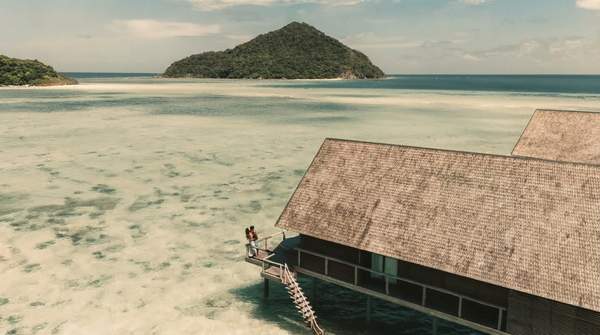
Hotels embracing sustainable practices have witnessed a 12% surge in overall revenue compared to traditional counterparts, reports Luxury Tribune. This tangible financial uplift confirms a decisive shift in consumer spending; high-net-worth individuals now actively select providers prioritizing environmental stewardship. Such establishments do not merely adopt ethical stances; they unlock substantial profit growth by aligning with evolving client values.
Historically, luxury travel prioritized unbridled opulence and exclusive experiences, often detached from ecological concerns. However, its most discerning clients now demand both environmental responsibility and authentic local immersion. This tension between traditional grandeur and modern values is reshaping the industry.
Luxury brands that fail to integrate genuine environmental sustainability and hyper-localized immersive experiences risk significant market share and relevance. Their agile, purpose-driven competitors are capturing affluent clients who now view traditional opulence as an outdated liability.
The New Demands of Discerning Travelers
- 65% — of surveyed HNWIs agreed that environmental sustainability and eco-conscious practices are important factors in their decision to support luxury travel operators and destinations, according to Forbes.
- 78% — of HNWIs in EMEA prioritize eco-conscious travel, while 76% in APAC and 53% in North America share this focus, according to Forbes.
- 81% — of HNWIs value unique and immersive experiences over standardized luxury hotel chains when selecting accommodations, according to Forbes.
These figures confirm a global, undeniable preference among high-net-worth individuals for travel aligning with their values for environmental responsibility and authentic engagement. The stark regional disparity in prioritization suggests a globally uniform approach to luxury sustainability is a strategic misstep, demanding tailored market-specific investments to capture the most engaged segments.

Industry Responds: From Awards to River Cruises
| Industry Sector | Key Trend or Example |
|---|---|
| Luxury Hotel Recognition | Bambu Indah is the top-ranking property among five Indonesian hotels receiving the International Sustainability Award 2024, according to Luxury Tribune. |
| Cruising Sector | River cruising trends for 2026 are highlighting sustainable travel, evolving demand, and luxury experiences, according to Travel And Tour World. |
Specific examples, from award-winning properties to the evolving river cruising sector, confirm the industry's active response to these new luxury traveler demands. With 81% of HNWIs valuing unique, immersive experiences over standardized luxury, traditional hotel chains clinging to a 'global brand, global experience' model face an existential threat; their most affluent clients now actively seek bespoke, locally-integrated alternatives.
Beyond Ethics: The Drivers of Sustainable Luxury
Motivations for sustainable luxury transcend mere ethics; they encompass tangible benefits for guest well-being and a clear return on investment. Biophilic resort designs, integrating natural elements into architecture, can reduce guest stress by up to 37%, reports Vocal Media. This direct impact on personal health and relaxation powerfully appeals to high-net-worth individuals seeking holistic experiences.
Personal well-being intrinsically links to natural, sustainable environments, positioning eco-conscious, immersive experiences as essential components of a holistic luxury offering. The synergy of tangible wellness benefits and affluent clients' financial commitment creates a powerful incentive for the luxury sector to embrace these evolving demands. Operators delaying genuine eco-conscious initiatives risk not only their brand reputation but actively forfeit substantial profit growth.
Reshaping Roles: Advisors, Travelers, and Destinations
The shift toward sustainable, experiential luxury fundamentally reshapes the roles and strategies of key industry stakeholders, from travel advisors to destination managers. Sustainability is no longer a niche talking point; it is an expectation shaping how advisors guide clients and how travelers evaluate choices, reports PAXnews. This marks a fundamental change in how luxury travel is brokered and chosen, compelling advisors and operators to prioritize eco-conscious, authentic options to meet client expectations.
This evolving client expectation compels destinations to invest in local infrastructure and community engagement. Destinations offering genuine, low-impact cultural immersion while upholding high service standards will likely attract the new generation of affluent travelers. The focus shifts from mere luxury amenities to purpose-driven journeys resonating deeply with individual values.
The Future is Green and Global
The wellness tourism market is projected for substantial growth, indicating a strong future for luxury travel that integrates health and sustainability.
- The global wellness tourism market is estimated to reach USD 1,682.8 Billion by 2034, exhibiting a CAGR of 5.61% from 2025-2033, according to Vocal.media.
The robust growth projections for wellness tourism confirm the long-term market potential for luxury experiences prioritizing health, well-being, and environmental stewardship. This trend defines luxury in 2026 and beyond: experiences enriching the individual while respecting the planet. As eco-conscious travel demand in EMEA (78%) and APAC (76%) continues to outpace North America (53%), luxury brands must develop region-specific sustainability strategies to maximize market capture.
If luxury brands fail to genuinely integrate sustainability and hyper-localized immersion, they will likely cede significant market leadership to agile, purpose-driven competitors.