Every faceted gemstone answers one question before it ever reaches a jewel: should this stone maximize light, or should it showcase what lies inside? The answer is written in its facets. Brilliant cuts scatter light into fire and scintillation; step cuts trade sparkle for broad, uninterrupted color and transparency; mixed cuts attempt both. Understanding these three cutting styles—and which individual cuts belong to each—is the single most useful framework for choosing high jewelry, because it tells you what a stone will do in the light before you ever see it set.
Understanding Gemstone Cuts: Beyond Shape
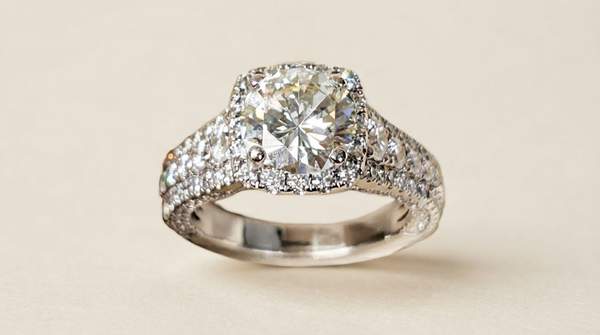
Cut and shape are not the same thing, and conflating them is where most buyers go wrong. Shape is the outline a stone presents from above—round, oval, rectangular. Cut, or cutting style, is the arrangement of facets across that outline, and it is the facet arrangement that determines how light behaves inside the gem. A cushion outline, for example, can be executed in a faceting style that maximizes brilliance and luster, as The Natural Sapphire Company describes when it notes that the cushion's soft, rounded-corner form "produces luster and brilliance."
This distinction matters because the same shape can carry very different optical personalities. A rectangular stone with trimmed corners cut in a step style will emphasize color and depth; the same outline cut with brilliant-style facets would behave entirely differently. When jewelers and gemologists group cuts, they group by style—brilliant, step, and mixed—because that is the level at which light performance is decided. The five cuts examined here, round brilliant, emerald, baguette, cushion, and princess, map cleanly onto those three styles.