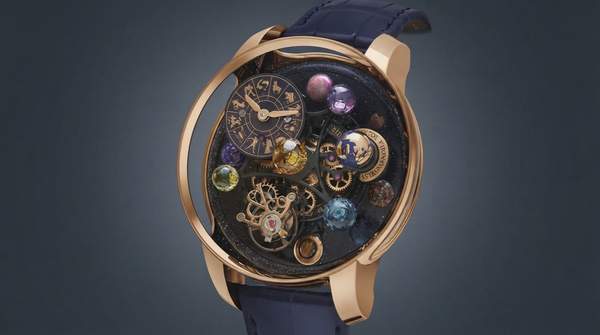
A circa 2017 Philippe Dufour Simplicity watch, crafted in platinum, recently sold for 4,826,000 HKD (approximately 617,000 USD), according to Sotheby's. The 4,826,000 HKD valuation confirms the intense collector demand for independent horological masterpieces. While haute horlogerie traditionally relies on heritage and established names, its most exciting innovations and record-breaking valuations now increasingly stem from new, independent creators. This dynamic challenges the dominance of legacy brands, positioning independent watchmakers as primary drivers of innovation and value in the high-end market.
The Genesis of Independent Horology
The 1970s quartz crisis forced traditional watch brands to pivot towards luxury and craftsmanship, differentiating mechanical offerings from mass-produced quartz, as noted by Analogshift. The 1970s quartz crisis inadvertently created a void for radical innovation and specialized artistry. Independent watchmakers emerged as custodians of traditional craftsmanship and pioneers of new excellence, operating outside corporate constraints. Their creative freedom and commitment to artisanal purity laid the groundwork for their significant influence in high-end watchmaking today. This period proved that true horological value could persist and even thrive through radical reinvention, rather than merely relying on established production models.
Beyond Tradition: Radical Designs and Mechanical Marvels
George Daniels
Best for: Horological purists and technical innovators seeking foundational contributions.
George Daniels patented his co-axial escapement in 1980, a pivotal advancement that reduced friction and improved accuracy, according to Hairspring. Omega industrialized this innovation in 1999, demonstrating independent ingenuity's profound impact on mainstream horology. His personal collection later sold for over £8 million, solidifying his posthumous influence and market value.