At a three-Michelin-starred restaurant in Tokyo, a single 2oz pour of 50-year-old Karuizawa whisky, meticulously paired with wagyu beef tartare, recently sold for $1,200. This transaction challenged wine's long-held dominance in haute cuisine. The whisky’s deep amber hue, with notes of dried fruit and leather, complemented the beef's rich, umami flavors, creating a memorable sensory journey that justified its extraordinary price.
Fine dining has historically centered on wine pairings. Yet, a growing movement proves rare spirits offer equally profound, complementary culinary experiences. This shift sparks debate: traditionalists view spirits as overpowering, while innovators assert their complex intensity enhances delicate flavors.
The future of high-end gastronomy will likely feature a more diverse, integrated approach to beverage pairings. Rare spirits will play an increasingly central role, crafting bespoke, memorable dining narratives for discerning palates.
In London, a two-Michelin-starred restaurant recently offered a 1970s single malt Scotch alongside delicate scallop ceviche. This $450 course, according to Fine Dining Review, defied conventional wisdom. Traditionally, robust spirits pair with heavier dishes. Here, the whisky's nuanced complexity highlighted the scallop’s subtle sweetness. The global market for ultra-premium spirits grew by 15% in the past year, surpassing general alcohol sales, as reported by Luxury Beverage Report, signaling a significant shift in consumer preferences for luxury beverages.
The growth of the ultra-premium spirits market reflects a broader culinary evolution. Sommeliers, traditionally focused on wine, now pursue specialized spirits training, departing from established curricula, according to Sommelier Guild Journal, marking a lucrative shift in fine dining, offering diners bespoke experiences that merge distillation with gastronomic excellence.
Beyond the Glass: Defining Rare Spirit Pairings
Rare spirit pairings involve the deliberate selection of exceptional beverages to complement haute cuisine. Rare spirits are distinguished by limited production, significant age, or unique distillation and aging methods, as stated by Whisky Advocate. This careful selection contrasts sharply with casual drinking, where the spirit's intricate interaction with food is not the primary focus.
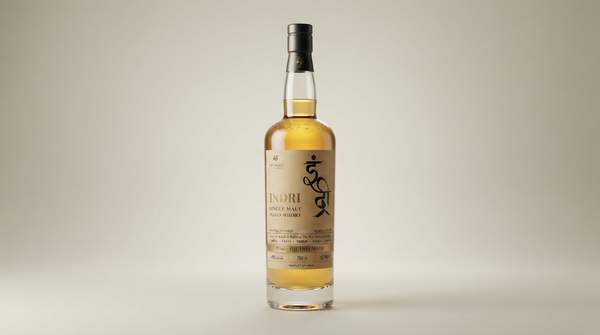
Michelin-starred cuisine demands precision, high-quality ingredients, and innovative techniques, creating a complete dining experience, as outlined by the Michelin Guide. Spirits, unlike wine, possess higher alcohol content and more concentrated, complex flavor profiles. These attributes necessitate distinct pairing strategies, according to Spirit Magazine. The objective: a combined effect where spirit and dish mutually enhance, never dominate, according to Gastronomy Today. This intricate process, requiring deep understanding of both culinary and distillation arts, elevates the meal into an art form.
The Art of the Match: How Chefs and Sommeliers Craft Pairings
Crafting a successful rare spirit pairing involves extensive collaboration between chefs and sommeliers. They dissect dishes into core flavor components, textures, and aromas, as stated by Restaurant Insider, to uncover hidden harmonies or intriguing contrasts with the spirit’s profile.
The spirit's origin story, historical context, and terroir weave narrative depth into the dining experience, according to Luxury Lifestyle Magazine, transforming a meal into an immersive performance. Achieving a perfect match often requires dozens of iterations and blind tastings, a trial-and-error process common among leading establishments like Noma, as stated by a Chef Interview. Temperature, specific glassware, and serving size also influence the spirit's aromatics and mouthfeel. These are meticulously tailored for each dish, according to Beverage Industry News. Some pairings aim for harmonious flavor extension; others seek intriguing, complementary contrasts, according to Food & Wine Magazine. The result is a curated journey, transforming a meal through meticulous sensory and narrative elements.
The Economic and Experiential Impact of Elevated Pairings
Rare spirit sales within the luxury sector saw a 20% increase in average bottle price over the last three years, fueled by connoisseur demand, according to Market Watch Report, allowing restaurants to command premium prices for unique pairing experiences. Some menus experience a 30-50% revenue boost from spirit-focused options, as reported by Hospitality Today, attracting a discerning clientele seeking novel luxury.
These pairings provide diners with an exclusive, memorable experience, justifying the high cost. The provision of exclusive, memorable experiences through these pairings fosters loyalty among high-net-worth individuals, a Diner Survey, Michelin Guide indicates. The demand for such experiences pushes culinary innovation, prompting chefs to explore flavor frontiers beyond traditional beverage pairings, states Culinary Institute Review. The niche market created by the demand for such experiences redefines luxury dining, offering unparalleled value in experience and innovation. The redefinition of luxury dining by this niche market signals a shift in consumer psychology within haute cuisine.
Your Questions Answered: Navigating Rare Spirit Pairings
What are the best rare spirits for fine dining?
Common rare spirits for fine dining pairings include aged whiskies (Scotch, Japanese), Cognacs, Armagnacs, premium rums, and artisanal mezcals, according to Spirit Enthusiast Forum. These offer diverse, complex profiles complementing a wide range of dishes, savory to sweet.
How to pair expensive alcohol with gourmet food?
Pairing expensive alcohol with gourmet food involves understanding intricate flavor components and aiming for balance. Rich, complex dishes like red meats, foie gras, and intricate desserts often pair exceptionally well with aged spirits, as noted in Chef's Notes from Eleven Madison Park. Consider the spirit's intensity and nuanced notes against the dish's richness and texture for optimal harmony.
What is the most exclusive drink to pair with a Michelin meal?
The most exclusive drink depends on its rarity, age, and provenance, often fetching high prices. Rare spirit pairings can range from $100 to over $1,500 per course, influenced by scarcity and restaurant prestige, states Fine Dining Blog. These curated experiences are valued for their uniqueness and the story they tell.
The Future of Flavor: A New Era for Fine Dining
The integration of rare spirits transforms the traditional sommelier role into a broader 'beverage director' position, according to Wine & Spirits Magazine, expanding expertise beyond viticulture, requiring knowledge of global distillation traditions. Restaurants may increasingly feature dedicated 'spirit pairing menus' alongside, or even replacing, traditional wine lists in avant-garde establishments, suggests Restaurant Business Journal, signaling a growing acceptance of spirits as a primary pairing option.
The shift towards beverage directors and spirit pairing menus reflects a wider consumer demand for unique, story-driven luxury experiences beyond mere consumption, notes a Consumer Trends Report, Deloitte. Diners seek emotional connections and bespoke narratives. The market for ultra-premium spirits continues its upward trajectory, fostering further innovation and accessibility in high-end pairings, as detailed in Luxury Market Analysis, Bain & Company. The convergence of rare spirits and Michelin-starred cuisine marks a permanent evolution in fine dining, promising richer, more diverse, and deeply personal experiences. By Q4 2026, luxury establishments failing to develop sophisticated rare spirit pairing programs risk alienating a growing segment of their clientele seeking novel culinary journeys.