
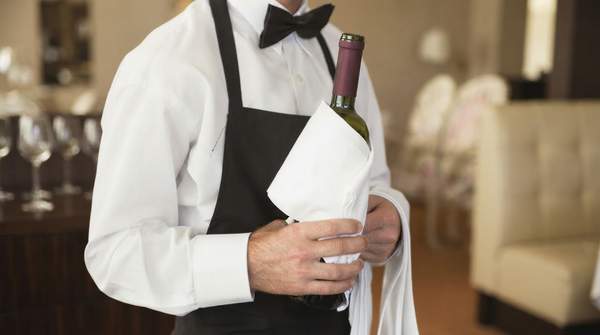
In a fine-dining restaurant, a sommelier does far more than recommend and pour wine. They are central figures who curate the entire beverage program, manage a significant financial asset in the wine cellar, and act as expert guides to enhance the guest's gastronomic journey. With deep knowledge of grape varietals, global wine regions, and winemaking techniques, a sommelier’s primary role is to elevate the dining experience by finding the perfect wine for any palate, dish, and occasion.
The Sommelier's Essential Role in Fine Dining
The modern sommelier is a multifaceted professional whose responsibilities extend well beyond the dining room floor. Originating from the French term for a wine cellar manager, the role has evolved into a cornerstone of a restaurant's identity and profitability. In a Michelin-starred establishment, a sommelier may lead a team, while in a smaller venue, they might manage the wine program single-handedly while assisting with other operations. Their expertise is an investment that can significantly boost a restaurant's bottom line, according to industry observers.
A sommelier's work begins with curating the wine list, a process that involves collaborating closely with the culinary team to ensure the selections complement the menu. This requires staying current on wine trends, new regions, and emerging producers. The ultimate goal is to build a list that is not only exciting but also sells, catering to a diverse range of customer tastes. By suggesting pairings that enhance the flavors of the dishes, they create a more memorable experience for guests, which can also lead to higher overall check averages.
Beyond the Bottle: Core Sommelier Duties
The daily responsibilities of a sommelier are a blend of artistry, business acumen, and hospitality. Their duties can be broken down into several key areas that collectively contribute to a restaurant's success.
- Wine Program Curation: The sommelier is responsible for selecting every wine that appears on the list. This involves tasting countless samples, understanding the restaurant's culinary concept, and building a collection that offers variety in style, region, and price point.
- Inventory and Cellar Management: A crucial business function is managing the wine inventory. This includes sourcing high-quality wines, negotiating with distributors, and properly storing and tracking all bottles to protect the investment and ensure quality.
- Guest Interaction and Service: On the floor, the sommelier's role is to be an approachable guide. They engage with guests to understand their preferences, explain a wine's origins and characteristics, and perform tableside service with professional etiquette.
- Staff Training: A sommelier often trains other restaurant staff on wine knowledge and service standards. This ensures the entire team can speak confidently about the wine list and provide a consistent level of service.
Paths to Expertise: Sommelier Certification Bodies
While some sommeliers learn entirely on the job, many pursue formal certifications to validate and structure their extensive knowledge. Two of the most respected organizations in the field are the Court of Master Sommeliers (CMS) and the Wine & Spirit Education Trust (WSET), each with a different emphasis.
The Court of Master Sommeliers focuses specifically on wine service and hospitality, making its certifications particularly relevant for those working in restaurants. The CMS offers a structured path that includes the "Certified Sommelier" title and progresses to the highly demanding Advanced and Master Sommelier levels. Its curriculum is geared toward the practical application of wine knowledge in a service environment.
In contrast, the Wine & Spirit Education Trust provides qualifications that are highly respected for their academic rigor in wine theory and tasting. While not exclusive to sommeliers, WSET levels, especially the Level 3 Award in Wines and the Level 4 Diploma, offer a deep, analytical understanding of wine. The focus is less on service mechanics and more on evaluating a wine's quality, balance, and characteristics.
Diner's Guide: Communicating with Your Sommelier
Engaging with a sommelier should be an enjoyable and collaborative part of your meal, not an intimidating one. The best sommeliers are skilled communicators who aim to make you feel confident, not tested. As Stefano Barbarino, Head Sommelier & Wine Buyer at Corinthia London, explained, the job is "about understanding the guest's preferences and creating the best possible dining experience for them." To get the most out of their expertise, it helps to provide a few key pieces of information.
Articulate Your Tastes
You don't need technical vocabulary. Simply describe what you typically enjoy. Mentioning a grape (like Pinot Noir), a region (like Tuscany), or even general characteristics (light and crisp, or full-bodied and bold) gives the sommelier a starting point. Even a memory, such as "I loved that wine we had in Tuscany," can be enough for a skilled professional to find something similar on their list.
Establish Your Budget
Price is a practical and important factor. There is no need to feel awkward about discussing it. A simple and discreet way to communicate your budget is to point to a price on the wine list and say, "I'm looking for something in this range." This gives the sommelier a clear guideline without making the conversation uncomfortable.
Define Your Goal
Let the sommelier know what you hope to achieve with your wine selection. Are you looking for a versatile wine to last the entire meal, or do you want a specific pairing for your main course? Are you in the mood to try something new and adventurous, or would you prefer something familiar and comforting? This context helps them narrow down the options to find the perfect bottle for your occasion.
Enhancing Your Dining Experience Through Sommelier Engagement
By understanding the depth of a sommelier's expertise and the breadth of their responsibilities, diners can better appreciate the value they bring to a meal. Their role is a complex blend of curator, business manager, educator, and hospitality professional, all dedicated to the singular goal of enhancing the guest experience. The most successful interactions are partnerships built on clear communication.
Diners should proactively engage with their sommelier by clearly articulating their taste preferences, budget, and dining goals to receive a tailored wine recommendation. The result of this simple, open conversation is a personalized wine pairing that enhances the meal and aligns with the diner's expectations and budget, turning a great meal into an unforgettable one.
Sources
- What Is a Sommelier? Uncorking the Role of a Restaurant Wine Expert | Blog — CKitchen
- What a Sommelier Does - The Court of Master Sommeliers Americas
- How to Become a Sommelier: The Complete Career Guide — Napa Valley Wine Academy
- What Is a Sommelier? — By The Glass


