A couple transformed a covered patio into a 'wellness hut' with a sauna and cold plunge for less than $8,000, according to Business Insider. This accessible innovation integrates high-impact well-being amenities into residential spaces without a luxury budget. While demand for luxury home wellness features grows, their integration shifts from exclusive, dedicated rooms to intentional design elements within existing infrastructure. This evolution redefines luxury, prioritizing integrated well-being and making it attainable for more homeowners, influencing both renovations and new property development.
Accessible Upgrades Redefining Home Wellness
The mainstream adoption of high-impact wellness features is driven by affordability. A two-person infrared sauna, for instance, costs less than $5,000, according to Business Insider. Homeowners now actively weave well-being into their daily environments, seeking functional integration over ostentatious display.
Infrared Sauna
A two-person infrared sauna model, typically under $5,000, offers therapeutic heat benefits and detoxification. These compact, energy-efficient units integrate into DIY wellness projects, like the sub-$8,000 'wellness hut' that also includes a cold plunge. Widespread adoption of these units signals a shift towards practical, personal health investments.
Cold Plunge
Cold plunges, integrated into projects like the sub-$8,000 'wellness hut' alongside a sauna, offer recovery, mental clarity, and immune support. This makes regular cold therapy practical for everyday use, moving beyond niche practices to accessible home routines.
Spa-Inspired Bathrooms
'Spa-inspired' bathrooms appeared 22% more often in Zillow listings last year, according to Business Insider. Incorporating rainfall showers and natural materials, these designs transform functional spaces into personal sanctuaries, significantly enhancing property appeal and daily comfort. The trend of spa-inspired bathrooms demonstrates a desire for daily luxury within existing private spaces, not just dedicated spa rooms.
Wellness Rooms
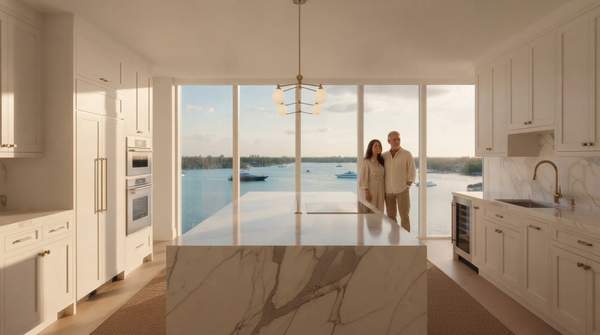
The 'wellness room' concept now favors integrated, multi-functional zones over single-purpose spaces. The sub-$8,000 DIY 'wellness hut' with sauna and cold plunge exemplifies this shift, proving that versatile wellness areas can be cost-effective and customizable.
Biophilic Design Elements
Biophilic design now extends beyond houseplants to tactile surfaces, layered textures, and natural forms, according to ELYSIAN Magazine. This creates stronger connections between indoor spaces and the natural world, enhancing mood and environmental quality. Biophilic design signals a deeper commitment to natural integration, not just aesthetic greening.
Advanced Air Filtration Systems
Advanced air filtration systems, now integrated features in homes, move beyond basic HVAC filters to actively remove pollutants, allergens, and pathogens, as reported by ELYSIAN Magazine. Enhanced respiratory health and indoor comfort are ensured, reflecting a proactive approach to environmental well-being.
Advanced Water Filtration Systems
Integrated advanced water filtration systems are becoming standard in modern residences, according to ELYSIAN Magazine. Filtering water at the point of entry ensures cleaner water for all household uses, reducing chemical exposure and contributing to overall health. A fundamental expectation for purity in daily living is reflected.
Circadian Lighting
Circadian lighting systems adjust color temperature and brightness to mimic natural daylight, as ELYSIAN Magazine notes. This synchronization supports the body's natural rhythms, promoting healthier sleep and improved alertness. Circadian lighting represents a sophisticated integration of technology to optimize human performance and well-being.
Technology for Healthier Sleep Patterns
Technologies for healthier sleep, including smart mattresses and environmental controls, are integrating into homes, according to ELYSIAN Magazine. These optimize bedroom conditions for rest, offering data-driven insights to improve sleep quality. The integration of sleep technologies signifies a move towards proactive, data-informed personal health management within the home.
A clear trend is underscored by these examples: wellness is now woven into everyday living spaces, favoring functional well-being over dedicated, expensive installations. The home itself becomes a tool for health.
From Excess to Intentionality: The New Luxury Paradigm
Wellness is now woven into the home's infrastructure, moving beyond dedicated health rooms, according to ELYSIAN Magazine. This marks a departure from traditional luxury models, rejecting excess in favor of intentional, meaningful elements. The modern definition of luxury wellness emphasizes thoughtful integration and purpose over sheer scale or overt display, prioritizing daily utility and holistic benefit. This paradigm shift makes premium well-being accessible and relevant to a broader market.
| Aspect | Traditional Luxury Wellness | Integrated Modern Wellness |
|---|---|---|
| Philosophy | Ostentatious Excess | Intentional Design |
| Integration Model | Dedicated, Single-Purpose Rooms | Woven into Home Infrastructure |
| Cost Structure | High, Exclusive Budgets | Accessible, Value-Driven Solutions |
| Market Appeal | Niche, Ultra-High Net Worth | Mainstream Real Estate, Broad Homeowner Interest |
| Example Feature | Rarely-Used Spa Room | Spa-Inspired Bathroom with Rainfall Shower |
| Priority | Conspicuous Consumption | Thoughtful Living and Daily Well-being |
The Future is Integrated: Holistic Well-being at Home
Biophilic design now extends beyond houseplants to tactile surfaces, layered textures, and natural forms, as discussed by ELYSIAN Magazine. This expanded scope deepens sensory engagement, enhancing both aesthetics and occupant well-being. The ultimate evolution of luxury wellness points towards seamless, sensory integration with nature and intentional design. This vision encompasses optimized air, water, light, and natural aesthetics, transforming home environments into active participants in fostering health. For more, see our Top Luxury Home Design Trends.
Your Wellness Home Questions Answered
How do integrated wellness features impact home resale value?
Integrated wellness features significantly enhance property appeal. 'Spa-inspired' bathrooms, for instance, appeared 22% more often in Zillow listings last year, according to Business Insider. Such amenities are becoming essential, value-adding components that buyers expect, directly influencing a home's marketability.
What role does 'longevity tech' play in modern wellness homes?
Modern wellness homes increasingly incorporate 'longevity tech' for long-term health. This includes advanced air and water purification, smart monitoring for sleep or vital signs, and specialized lighting. These technologies proactively optimize environmental factors and personal health metrics, moving beyond reactive health solutions.
How can homeowners achieve biophilic design without major renovations?
Biophilic design can be integrated without extensive renovations. Beyond houseplants, homeowners can select furniture with natural forms, use layered textures like wood and stone, and incorporate natural light through strategic window treatments. The goal is to create stronger indoor connections to the natural world, enhancing well-being through subtle design choices, as noted by ELYSIAN Magazine.
The continued expansion of value-driven wellness products, exemplified by sub-$8,000 'wellness hut' projects, suggests home design through 2026 will prioritize integrated, attainable well-being over overt luxury.