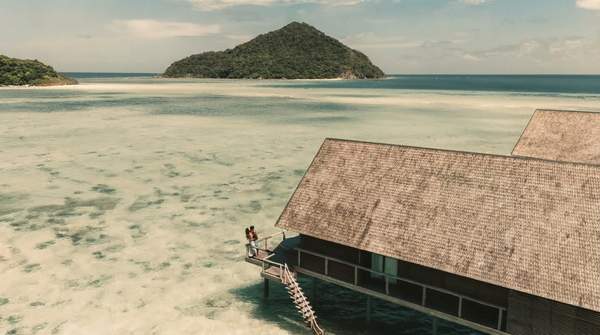
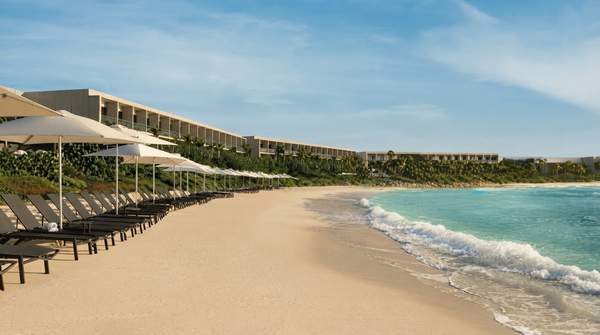
Saudi Arabia's Four Seasons resort on Shura Island has opened, boasting LEED Platinum certification. This marks a significant milestone for a Red Sea development that aims to plant 6 million mangrove trees while simultaneously building 50 hotels across 22 islands by 2030, according to sponsored content. The Red Sea destination promotes itself as a beacon of regenerative luxury with ambitious environmental goals. Yet, its unprecedented scale and aggressive economic targets present inherent challenges to genuine ecological restoration. While the project promises substantial economic benefits and a new model for luxury tourism, its long-term environmental impact and the authenticity of its 'regenerative' claims will remain under intense scrutiny as it expands.
The Red Sea Project: A Closer Look
The Four Seasons resort on Shura Island has officially opened, achieving LEED Platinum certification. Guests can even participate in coral reef and mangrove restoration initiatives, according to Rus Tourism News. The individual property's commitment to sustainability, however, exists within a far grander vision. Red Sea Global plans to plant 6 million mangrove trees and aims for carbon neutrality, powered entirely by renewable energy across both the Red Sea and Amaala projects, according to sponsored content. By 2030, the destination will feature 50 hotels and 8,000 rooms across 22 islands (source). The unprecedented scale suggests that while individual properties may achieve high environmental standards, the sheer volume of development presents a complex challenge to overall ecological balance.
Red Sea's Carbon Neutral Luxury Vision
Red Sea Global aims for carbon neutrality across its Red Sea and Amaala projects, powered entirely by renewable energy, and plans to plant 6 million mangrove trees to combat global warming, according to sponsored content. These ambitious environmental commitments seek to redefine sustainable tourism. Yet, the destination's projected 50 hotels and 8,000 rooms across 22 islands by 2030 imply a vast construction footprint and immense operational demands. The scale challenges the feasibility of genuine carbon neutrality and ecological restoration within such an aggressive timeline, suggesting these environmental claims may be more aspirational than immediately achievable. Red Sea Global appears to leverage highly visible certifications for individual properties and large-scale ecological engineering to potentially offset the inherent environmental strain of this unprecedented luxury tourism expansion.