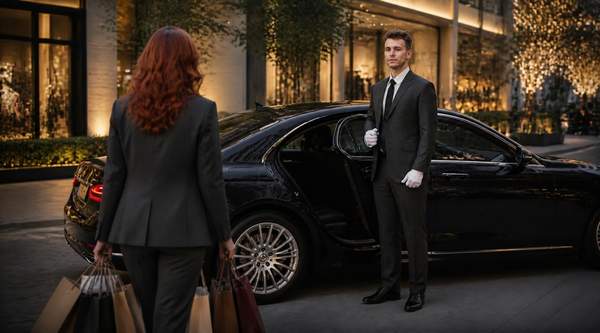
A group of eight can save up to $3,000 on dining over a four-day luxury trip by choosing a rental with a full kitchen over traditional hotel stays, according to avantstay data. Savings of up to $3,000 on dining redefine high-end travel, allowing discerning guests to invest in unique, personalized experiences. The luxury market booms, yet its very definition shifts: away from traditional, high-cost services towards value-conscious, private journeys. Traditional luxury providers must adapt, emphasizing bespoke experiences, wellness, and privacy. Otherwise, they risk losing market share to agile, experience-focused competitors.
The Evolving Definition of Luxury
Luxury travel in 2026 expands beyond premium hotels and first-class flights, now encompassing tailored journeys, according to Luxury Travel Magazine. Modern affluent travelers seek a broader range of experiences, prioritizing:
- Personalized Experiences: Crafting itineraries that align with individual tastes.
- Seamless Technology: Integrating advanced solutions for convenience, from booking to on-demand services.
- Immersive Adventures: Deeper engagement with destinations through unique cultural and environmental explorations.
- Meaningful Comfort: A shift from mere opulence to personal well-being and deep relaxation.
- Wellness Priorities: Integrated health and well-being programs supporting mental and physical rejuvenation.
- Privacy and Control: Prioritizing private accommodations and autonomy, often offering substantial cost savings.
These elements collectively redefine luxury. It is no longer about exclusivity and high price tags alone. It demands holistic comfort and bespoke experiences, reflecting a deeper desire for control and intrinsic value in travel decisions. This challenges traditional notions of a high-end trip, implying that true luxury now resides in personal resonance, not just outward display.
Six Pillars of the New High-End Journey
Luxury travelers now articulate a new framework for high-end experiences. Six distinct pillars define this evolving landscape, emphasizing personal fulfillment and bespoke arrangements, according to Luxury Travel Magazine:

| Trend | Description |
|---|---|
| Personalization | Tailoring journeys to individual preferences, interests, and comfort levels. |
| Technological Integration | Utilizing seamless digital tools for enhanced convenience. |
| Wellness Priorities | Focus on health, mental well-being, and preventative experiences. |
| Demand for Privacy | Preference for secluded accommodations and exclusive spaces. |
| Sustainability | Emphasis on eco-conscious and responsible travel options. |
| Experiential Travel | Seeking immersive cultural and adventure-based activities. |
These pillars confirm a shift towards deeply personal, health-conscious, and ethically minded travel. The experience itself, rather than outward displays of wealth or traditional services, now defines ultimate luxury. This implies a deeper psychological need for bespoke journeys that cater to individual well-being and interests, challenging providers to offer more than just opulence.
The Drive for Personalization
Individual tailoring now drives luxury travel, a stark departure from standardized offerings. Personalization crafts journeys to specific preferences, interests, and lifestyle priorities, moving beyond generic packages, according to Luxury Travel Magazine. This empowers travelers to curate their own high-end experiences, directly influencing satisfaction. True luxury no longer adheres to a universal standard; it aligns with individual desires. The flexibility of private rentals, allowing guests to cook or integrate local experiences, often surpasses traditional hotel offerings, making control over one's environment a key luxury component. Companies clinging to premium prices and exclusive services, ignoring 'wellness priorities' and 'experiential travel,' miss a growing segment of affluent travelers. These guests prioritize intrinsic value over outward display, seeking meaningful comfort and bespoke options for their well-being.
The Economic Advantage of Evolved Luxury
Private rentals offer a measurable financial advantage over traditional luxury hotel stays, fundamentally altering the value proposition for discerning travelers.
- Luxury rentals cost $250-$312 per person nightly for groups, according to avantstay data.
- Hotel rooms, by comparison, cost $350 or more per person nightly, often providing less space and fewer integrated amenities.
Luxury rentals costing $250-$312 per person nightly for groups, compared to hotel rooms at $350 or more, reveals modern luxury offers significant value, especially for groups, providing more space and amenities at a lower per-person rate. Travelers choose private rentals not just for exclusivity, but for substantial cost savings that enable personalized, immersive experiences. The traditional luxury hotel sector faces a measurable risk of losing group bookings, as private rentals offer up to $3,000 in dining savings over a four-day trip. The measurable risk of losing group bookings, as private rentals offer up to $3,000 in dining savings over a four-day trip, implies that while some luxury providers build grand experiences, a significant segment of consumers actively seeks to reduce costs through alternative accommodations, prioritizing value and control even in high-end travel.
By late 2026, traditional luxury hotel chains that do not integrate personalized, value-driven offerings, similar to those from platforms like avantstay, will likely face a significant decline in group bookings as travelers prioritize savings of up to $3,000 per trip while still achieving a high-end experience.