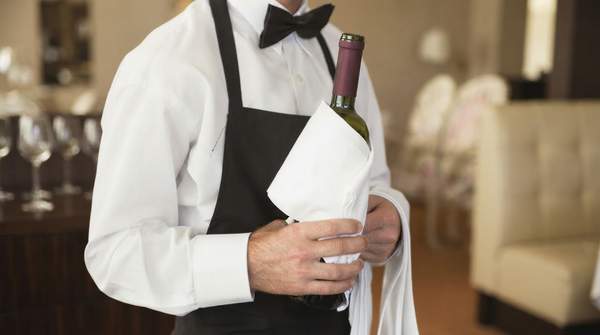
At a three-Michelin-starred restaurant in Paris, a server might spend an hour observing a table before their first interaction, noting subtle cues about their mood, preferences, and even their left- or right-handedness. Diners expect seamless, intuitive service, yet this perfection is achieved through highly structured, often unseen processes and intense staff training. As dining experiences become increasingly commoditized, the meticulous, personalized, and often invisible artistry of Michelin-level service will become an even more crucial differentiator for luxury establishments, demanding greater investment in human capital and subtle psychological techniques.
A server at The French Laundry once recalled Chef Thomas Keller training them to replace a dropped napkin before it even hit the floor. This extreme precision defines Michelin-starred service. Michelin inspectors evaluate service on subjective yet rigorously scored criteria: 'personality,' 'efficiency,' and 'knowledge,' according to the Michelin Guide. Beyond this, many top restaurants meticulously log diner preferences, allergies, and even past conversation topics using guest history software. This blend of subjective evaluation and data-driven personalization ensures what appears effortless is, in fact, the product of extreme precision and preparation.
The Invisible Choreography of Service
Service teams conduct pre-shift meetings lasting over an hour, meticulously discussing every reservation, special request, and potential challenge, as revealed by a Michelin Sommelier. Extensive preparation ensures a proactive approach. Anticipatory service extends to subtle cues: refilling water glasses before they are half empty or timing dish delivery to a diner's conversation flow, a practice outlined in Noma's Service Training Manual. The entire service flow, from seating to departure, is often mapped out to the minute, preventing rushed or neglected moments. Staff also receive training in non-verbal communication, learning to read guest body language and facial expressions. Michelin service transcends mere attentiveness, evolving into a proactive, almost psychic understanding of unspoken desires through structured planning and subtle observation.
Beyond the Smile: Psychology, Training, and Technology
Some restaurants utilize hidden cameras in training rooms, allowing staff to review and critique their own service interactions, refining delivery. Psychological principles, such as 'priming' and 'anchoring,' are subtly applied to enhance the dining experience, influencing menu presentation and wine recommendations. The average training period for new front-of-house staff at a three-star restaurant can exceed six months before full integration. Furthermore, silent communication systems, like headsets, and advanced POS systems enable seamless coordination between front-of-house and kitchen staff, unnoticed by guests. The seemingly effortless grace of Michelin service is underpinned by rigorous training, psychological insight, and sophisticated operational technology, creating an 'engineered empathy' for guests.