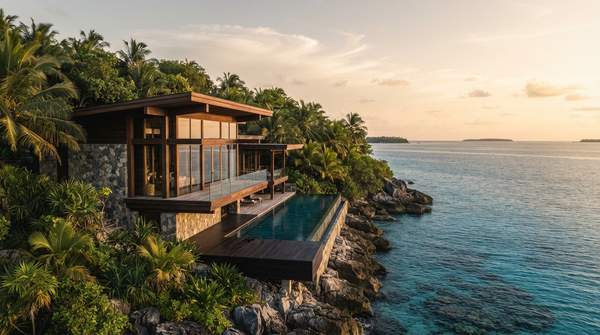
In 2026, luxury homes will feature AI-driven automation, including voice-activated lighting and temperature control, transforming daily living into a seamless, personalized experience, according to eliteedgelegacy. This advanced integration moves beyond simple convenience, creating private environments that intuitively respond to inhabitants' needs and preferences, thereby elevating the very essence of comfort and control.
While luxury has historically been defined by exclusive opulence and overt brand affiliation, it is increasingly about personalized experiences, holistic wellbeing, and sustainable practices. This reorientation challenges long-held perceptions of affluence and status.
Companies that fail to integrate advanced technology, genuine sustainability, and deeply personalized experiences into their offerings risk becoming irrelevant in the rapidly evolving luxury market.
This redefinition directly influences architectural philosophy. Home design now evolves to facilitate a specific lifestyle, rather than solely conveying a particular aesthetic, according to Real Estate Magazine Canada. Design is increasingly shaped by considerations of wellbeing, comfort, and personal meaning, extending beyond superficial appearances. This shift ensures residences are not merely grand, but profoundly resonant with their inhabitants' intrinsic values.
This reorientation creates a complex market dynamic. Private luxury spaces prioritize invisible, personalized experiences and wellbeing. Yet, public luxury consumption may revert to more overt displays of wealth. For example, 'quiet luxury,' characterized by discreet yet expensive clothing, may recede, with a potential return to more conspicuous consumption, as suggested by theguardian. This implies a distinct bifurcation in luxury trends: personal sanctuaries emphasize intimate, tailored experiences, while public displays might embrace more pronounced expressions of affluence. Affluent consumers now expect offerings to move from superficial display to profound personal relevance, even amidst evolving aesthetic trends.
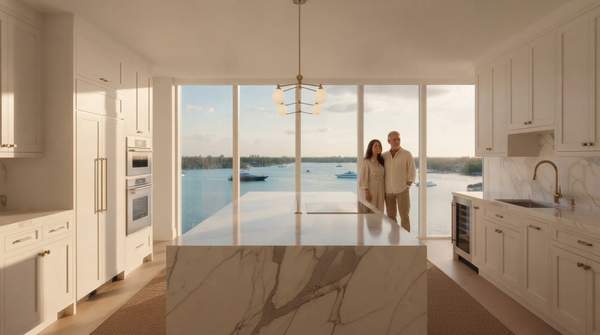
The Experiential Core: Tech, Wellness, and Nature
The ultimate status symbol in luxury homes is no longer a brand name, but an invisible, intelligent ecosystem tailored precisely to an individual's wellbeing and convenience. In 2026, AI-driven automation will move beyond basic smart home features, creating truly responsive living spaces. This includes voice-activated lighting and temperature control, seamlessly adapting the environment to individual preferences, according to eliteedgelegacy. Such integration ensures a private domain that anticipates and fulfills every desire.
Beyond technological sophistication, holistic wellness features are now integral to modern luxury residences. Properties increasingly include dedicated meditation rooms and yoga decks, fostering mental and physical rejuvenation within the private sphere. Indoor botanic gardens and oxygen-infused bedrooms represent advanced wellness features, transforming homes into health-promoting sanctuaries, as reported by eliteedgelegacy. This commitment extends to biophilic design, incorporating elements like green walls and indoor gardens to connect residents with nature. Technology, holistic wellness, and immersive natural elements now converge to create deeply personalized and health-conscious luxury environments.
Foundational Values: Craftsmanship and Security Endure
Despite the rapid evolution of luxury towards experiential and technological integration, certain foundational values, such as bespoke craftsmanship and robust security, remain essential. The historical appreciation for tailored quality dates back to the Middle Ages, which saw the rise of specialized tailors and artisans dedicated to creating bespoke clothing, according to countvalentine. This enduring demand for unique, high-quality production now finds its parallel in advanced security solutions.
Future luxury homes will also incorporate AI-driven security systems, extending beyond traditional alarms to offer sophisticated protection. These systems enhance home security with facial recognition entry, providing seamless yet impenetrable access control, as detailed by eliteedgelegacy. The outward expression of luxury has changed, but the underlying value of bespoke quality and fundamental security remains constant. It is now delivered through advanced technological means, ensuring peace of mind for discerning homeowners.
Industry's Strategic Pivot to Sustainability & Smart Operations
The luxury industry strategically adapts to evolving consumer values by integrating sustainability and advanced technology into its core business models. A significant 68.3% of luxury companies now offer repair or refurbishment services, according to Deloitte, challenging the traditional perception of luxury as solely about acquiring new items. Circularity is further embraced by 53.8% of companies operating certified pre-owned programs and 44.5% partnering with resale platforms, as also reported by Deloitte. Brands that neglect circular economy models like repair and resale risk alienating a new generation of environmentally conscious affluent consumers.
While circular practices are widespread, Generative AI integration across the broader luxury industry shows a more nuanced picture. Deloitte indicates that 41.2% of luxury companies implement Generative AI in selected areas, yet only 11.9% embed this technology in core functions. This disparity points to a cautious, phased approach to advanced AI adoption outside of highly personalized home automation. The industry's embrace of circular economy models and advanced AI represents a profound strategic reorientation towards responsible consumption and operational efficiency, driven by evolving consumer and market demands.
Navigating the Future of Purpose-Driven Luxury
The future landscape of luxury will evolve towards deeply personalized, purpose-driven, and seamlessly integrated experiences. Advanced security measures, such as AI surveillance and smart fencing, will continue to secure private residences, according to eliteedgelegacy. Sustainable design principles, including Xeriscape landscaping, will become standard in luxury homes, reflecting a commitment to environmental stewardship alongside aesthetic appeal. These integrated elements define a future where luxury is not merely visible, but profoundly experiential, secure, and forward-thinking.
Despite the growing demand for personalized, experience-driven luxury within the home, the broader market's potential return to conspicuous consumption, as suggested by theguardian, creates a complex and potentially contradictory future for luxury branding. Brands must navigate both subtle and overt expressions of wealth. The industry itself recognizes this multifaceted evolution; Issa PR's sixth annual Future of Luxury symposium will convene in London and New York City in March 2026, according to Eastern Progress. Issa PR's sixth annual Future of Luxury symposium demonstrates a proactive engagement with these shifting definitions and consumer expectations. By Q3 2026, brands that have not fully embraced both intimate, personalized luxury within the home and the evolving public display of status will find their market relevance diminishing.