Luxury Travelers Seek Greener Journeys, Willing to Pay Premium

The pandemic unexpectedly accelerated sustainable tourism by three to four years in India alone, signaling a global shift in luxury traveler priorities.

SD
Sebastian Duval

April 21, 2026 · 4 min read

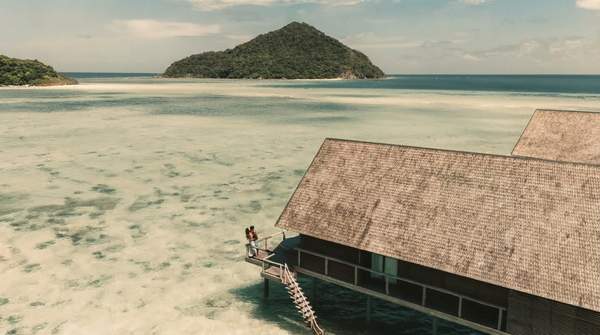
A luxurious eco-lodge in a lush jungle with an infinity pool, symbolizing sophisticated and sustainable travel for affluent individuals.

The pandemic unexpectedly accelerated sustainable tourism by three to four years in India alone, signaling a global shift in luxury traveler priorities. A fundamental re-evaluation of travel values among affluent consumers, who now demand purpose alongside comfort, is revealed by this rapid progression. Many traditional luxury travel providers were unprepared for this immediate, growing desire for genuinely sustainable and immersive experiences.

Luxury travel once epitomized indulgence and exclusivity, focusing on opulent accommodations and bespoke services. Yet, a significant majority of today's affluent travelers now demand responsible, sustainable options, willing to pay more for them. A critical industry challenge is posed by the tension between traditional opulence and new ethical imperatives.

The luxury travel industry must rapidly innovate, integrating genuine sustainability and immersive local experiences, or risk losing its most valuable, ethically-minded clientele. Providers failing to adapt will see market share diminish as consumers increasingly prioritize environmental responsibility and authentic engagement over mere extravagance.

The Rise of Conscious Indulgence

  • Evolving Demand — Global inland waterway tourism is shaped by evolving consumer demand, according to Travel and Tour World.
  • Luxury Experiences — Luxury experiences are a key trend in global inland waterway tourism, according to Travel and Tour World.

A broader consumer expectation for high-value, tailored travel aligned with new values is underscored by the convergence of evolving demand and luxury experiences, particularly in inland waterway tourism. A growing desire for immersive experiences offering both exclusivity and a responsible footprint is signified.

Operators Respond to Green Demands

MetricCurrent Practice (2026)Driver
Local Cuisine PromotionYesConsumer Demand
Zero Plastic InitiativesYesConsumer Demand
Water Recycling ProgramsYesConsumer Demand

Tour operators promote these sustainable practices due to demand, according to GSTC.

Operators' direct response confirms consumer preference for sustainability translates into tangible changes, moving luxury travel offerings beyond mere rhetoric. While demand for sustainable luxury is immediate, its comprehensive integration across all luxury segments remains several years away. A tension between current consumer expectations and widespread operational readiness is highlighted.

A New Definition of Value

Affluent travelers increasingly seek meaningful, responsible global exploration, driving a fundamental re-evaluation of luxury. Experiences offering genuine connection and positive impact are prioritized by this shift, largely post-pandemic. Traditional luxury markers—exclusivity and indulgence—now include ethical sourcing, community benefit, and environmental stewardship.

Consumers view responsible travel not as an optional add-on, but as an integral component of a high-end experience. Providers who merely greenwash their offerings, lacking substantive changes to local sourcing, zero plastic, and water recycling, will be quickly outmoded by more authentic competitors. The industry, already years behind a fundamental market shift due to the unexpected acceleration of sustainable tourism, risks irrelevance without genuine eco-conscious practices.

Winners and Losers in the Green Shift

Forward-thinking tour operators and destinations genuinely integrating sustainability are gaining market share. They differentiate themselves by offering transparent, verifiable eco-conscious practices and authentic immersive experiences, attracting affluent travelers willing to pay a premium for travel aligned with their values.

Conversely, traditional luxury providers failing to adapt face significant pressure. They risk obsolescence without moving beyond superficial sustainability marketing. As 'luxury experiences' and 'sustainable travel' converge in sectors like global inland waterway tourism by 2026, operators merely greenwashing their offerings—without substantive changes to local sourcing, zero plastic, and water recycling—will be quickly outmoded by more authentic competitors.

Forecasting a Sustainable Future

Sustainability will define future luxury travel segments.

  • River cruising trends in 2026 will highlight sustainable travel, according to Travel and Tour World.

Its growing mainstream adoption and strategic importance are confirmed by the explicit inclusion of sustainability in future travel forecasts, such as river cruising. Operators proactively integrating environmental responsibility and community engagement will be better positioned for long-term success. Future luxury offerings will likely feature deeper commitments to carbon neutrality, local economic empowerment, and cultural preservation, moving beyond basic eco-certifications.

If luxury brands fail to embed genuine eco-conscious practices and authentic local engagement, they will likely face significant market erosion by 2027, as discerning travelers increasingly prioritize purpose over mere opulence.

What are the top sustainable luxury travel destinations in 2026?

Emerging sustainable luxury destinations for 2026 include Costa Rica, known for its extensive protected areas and eco-lodges, and Bhutan, which maintains a high-value, low-impact tourism policy. Patagonia also offers high-end wilderness experiences with strong conservation ethics. These destinations often feature certified accommodations and engage local communities.

How can I find authentic immersive travel experiences?

Authentic immersive experiences can be found through specialist tour operators focusing on cultural exchange and local interaction, such as those partnering with indigenous communities or small-scale local businesses. Seek out programs offering hands-on workshops, homestays, or guided tours led by local experts, which provide deeper insights than standard tourist itineraries. Platforms like Responsible Travel or Intrepid Travel often vet such experiences.

What is the future of eco-friendly luxury tourism?

The future of eco-friendly luxury tourism will involve advanced technological integrations for sustainability, such as AI-powered resource management in hotels and electric-powered luxury yachts. Personalization will also extend to carbon footprint tracking for individual journeys, allowing travelers to offset emissions directly. Expect more regenerative tourism initiatives, where travel actively contributes to environmental and social restoration, moving beyond mere impact reduction.