A full wine pairing menu at a 3-Michelin-starred restaurant can easily add $200-$500 per person to the bill. The $200-$500 per person expense frequently deters diners, creating a barrier to a truly integrated culinary experience.
Michelin-starred dining promises an unparalleled culinary journey, but the wine pairing often introduces anxiety and financial strain. The wine pairing's introduction of anxiety and financial strain creates a palpable disconnect between aspirational branding and the guest experience, risking dissatisfaction despite significant investment.
Diners who learn to strategically engage with sommeliers and prioritize personal enjoyment over perceived 'correctness' are more likely to achieve a truly harmonious and satisfying experience without unnecessary expense. Active engagement, not passive acceptance, appears to be the true luxury in high-end dining.
Navigating the Cost of Culinary Harmony
Many diners report feeling intimidated by extensive wine lists, some containing hundreds of labels, according to a Diner Survey from Wine Spectator. Indeed, over 60% of high-end restaurant guests wish for greater confidence discussing wine with a sommelier, as reported by Fine Dining Insights. The pervasive apprehension among over 60% of high-end restaurant guests suggests that the very breadth of choice, intended to impress, instead fosters a psychological barrier, hindering the full enjoyment of the culinary journey.
The significant financial burden of full wine pairings, often adding hundreds to a bill, inadvertently creates an accessibility barrier for many potential diners. Prioritizing tradition, despite the significant financial burden of full wine pairings, risks limiting broader appeal by overlooking guest comfort and the desire for more flexible options.
Beyond the Red and White Rule
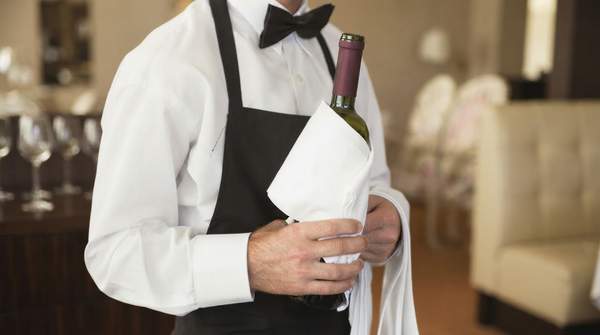
Sommeliers at Michelin establishments undergo rigorous training, often holding advanced certifications like Master Sommelier, according to the Court of Master Sommeliers. The deep expertise gained from rigorous training and advanced certifications like Master Sommelier is crucial, as the traditional 'red with meat, white with fish' rule proves utterly insufficient for modern, complex tasting menus, a point underscored by Food & Wine Magazine. Contemporary fine dining demands a far more nuanced approach to wine pairing.
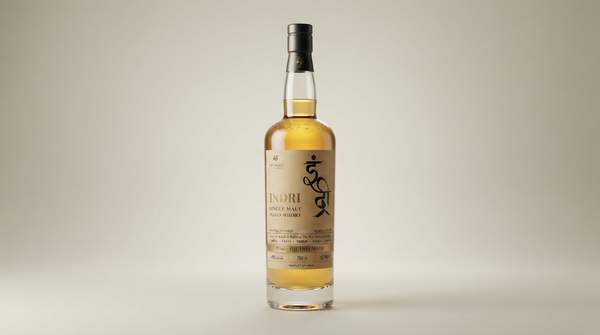
Modern cuisine frequently features unexpected flavor profiles, such as umami and fermentation, which challenge conventional wine pairings, as noted in the Chef's Table Documentary. The complexity of contemporary fine dining therefore makes the sommelier an indispensable guide. Their expertise helps bridge the gap between innovative dishes and the vast world of wine, ensuring a cohesive gastronomic experience.
Your Strategic Guide to Pairing Success
Personal preference for wine style – dry, sweet, or sparkling – should always be communicated to the sommelier, advises Wine Folly. Equally vital, communicating your budget upfront is not only acceptable but often appreciated. Communicating your budget upfront empowers the sommelier to craft more personalized and cost-effective choices tailored precisely to your desires.
Asking about the sommelier's favorite unexpected pairing can lead to unique discoveries, as suggested by the Sommelier's Handbook. A collaborative approach, rooted in clear communication of preferences and limits, transforms the pairing experience. It moves beyond mere selection, unlocking a personalized journey that is both less intimidating and more deeply satisfying.
Common Mistakes to Avoid
A poorly chosen wine can clash with delicate flavors, significantly detracting from a dish, according to a Culinary Institute of America Study. Yet, diners often spend a mere 15 minutes reviewing a wine list, feeling rushed into a decision. The compressed timeframe of a mere 15 minutes spent reviewing a wine list, coupled with the potential for flavor discord, frequently results in suboptimal choices that diminish the entire meal.
Corkage fees, allowing diners to bring their own wine, can range from $50 to $150 per bottle at top restaurants, as reported by Restaurant Business Online. The corkage fee option, while seemingly a cost-saver, still requires a strategic approach. The unfortunate reality is that many diners, succumbing to social pressure or fear of appearing unknowledgeable, default to expensive full pairings, overlooking these and other opportunities for truly personalized and cost-effective enjoyment.
Quick Answers to Your Pairing Questions
What wines are served at Michelin star restaurants?
Michelin-starred restaurants serve a vast array of wines, often focusing on rare vintages, regional specialties, and biodynamic options to complement their sophisticated menus. These establishments prioritize quality and uniqueness, frequently sourcing from smaller, exclusive vineyards to offer selections not commonly found elsewhere.
How to choose wine for fine dining?
To choose wine for fine dining, consider a few select glasses or a half-pairing. Emerging trends indicate some Michelin restaurants now offer these options to reduce cost and alcohol intake. The flexibility of these options allows for a tailored experience without committing to a full, often overwhelming, pairing.
What are the rules for wine pairing?
The primary rule for wine pairing is to enhance the dining experience by balancing flavors and textures, rather than strictly adhering to rigid guidelines. Non-alcoholic beverage pairings, featuring kombuchas, teas, and house-made infusions, are a growing trend in fine dining, as noted by New York Times Food, offering alternative options for a harmonious meal.
The Art of Confident Pairing
Sommelier training emphasizes tasting every dish on the menu to understand its nuances before recommending pairings. This meticulous approach is mirrored by restaurants that curate their wine list to specifically complement the chef's unique culinary philosophy, as detailed in a Restaurant Review by The Guardian. The profound integration of sommelier training and curated wine lists ensures the wine serves as an authentic extension of the culinary narrative, not merely an accompaniment.
The goal is to enhance the dining experience, not merely match flavors; this is a core tenet of sophisticated pairing. The most successful wine pairing, therefore, aligns with personal enjoyment and elevates the culinary narrative, a synergy often best achieved through collaboration with the sommelier. The pervasive feeling of overwhelm among diners, however, reveals a clear market imperative for restaurants to evolve, offering more flexible, curated wine experiences that prioritize quality and personalization over sheer quantity.
By Q3 2026, many leading fine dining establishments, like those featured in the Michelin Guide, will likely expand their offerings to include more flexible by-the-glass options and half-pairings, responding to diner demand for personalized and cost-effective experiences.