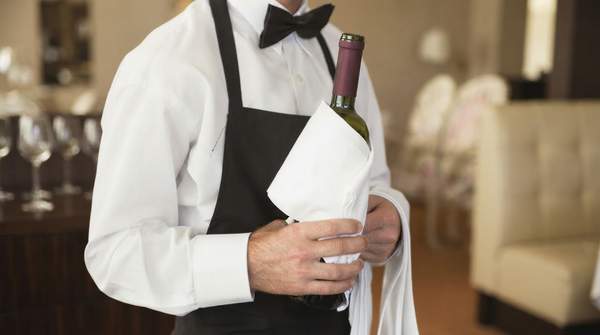
At a three-Michelin-starred restaurant in Tokyo, the head sommelier dedicated 18 months to sourcing a single, obscure vintage from a remote Italian vineyard—a bottle poised to command over $1,000. The 18-month meticulous pursuit to source a single, obscure vintage reveals the extraordinary lengths taken to craft a unique dining experience, where each selection tells a story of dedication and expertise.
While Michelin-starred establishments are expected to feature ultra-premium, well-known wines, their most impactful and memorable selections often emerge from obscure, value-driven producers. The emergence of most impactful and memorable selections from obscure, value-driven producers creates a compelling tension between diner expectations and the restaurant's strategic realities.
Restaurants that skillfully balance unique, value-driven discoveries with iconic labels are poised to build stronger reputations and cultivate a more loyal clientele in the increasingly competitive landscape of fine dining.
A sommelier at a top Parisian restaurant annually dedicates weeks in Burgundy, tasting and negotiating directly with small producers for exclusive allocations, as detailed in 'The Sommelier's Journey'. This intensive, personal approach secures labels unavailable elsewhere. Yet, while the average bottle on a Michelin-starred list can range from $150 to several thousand dollars, many diners seek more accessible options. The sommelier's challenge lies in balancing these high-end offerings with choices that resonate across various price points.
Indeed, only 5% of wines on a typical Michelin-starred list are 'investment grade,' according to Wine Spectator Analysis, historical data from 2022. The vast majority are chosen for their food pairing potential and unique character. The fact that only 5% of wines on a typical Michelin-starred list are 'investment grade' and the vast majority are chosen for their food pairing potential and unique character confirms that elite wine curation transcends mere expense; it is an art of storytelling, discovery, and crafting an unforgettable experience.
The Unseen Art of the Sommelier
Master Sommeliers endure rigorous training; less than 10% pass the final examination, according to Court of Master Sommeliers Data. The rigorous training, which less than 10% pass, demands profound knowledge in viticulture, regions, and service. Such expertise extends to designing wine lists that perfectly complement menu items, with sommeliers collaborating intimately with chefs for ideal pairings, as noted in 'Pairing Perfection' from Michelin Guide Insights.
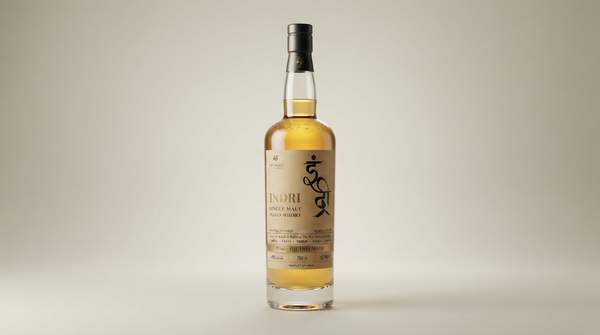
Managing a cellar boasting over 1,000 unique labels necessitates specialized software and climate-controlled storage, incurring substantial annual costs. The significant operational investment in managing a cellar boasting over 1,000 unique labels, necessitating specialized software and climate-controlled storage and incurring substantial annual costs, reveals a complexity far beyond simple selection. A Michelin-starred wine list is, in essence, a meticulously crafted narrative—a reflection of the sommelier's expertise, the restaurant's culinary vision, and an intuitive understanding of guest preferences. The true implication is that this unseen artistry transforms a mere beverage offering into an integral part of the restaurant's identity, elevating the entire gastronomic experience.
Balancing Prestige with Profit
In fine dining, typical wine markups range from 2.5x to 4x the wholesale cost, according to Restaurant Business Journal, historical data from 2023, though high-end bottles often see lower markups to encourage sales. While ultra-premium wines account for 70% of sales over $500, as per restaurant data, their tighter 2-3x markups mean a comparatively lower profit contribution. While ultra-premium wines account for 70% of sales over $500, their tighter 2-3x markups mean a comparatively lower profit contribution, suggesting the true financial engine of a Michelin-starred wine program lies elsewhere.
Indeed, obscure wines command significantly higher profit margins, often 4-6x markup, compared to the 2-3x on renowned bottles, according to an empirical investigation of wine sales. Michelin-starred restaurants strategically leverage these high-margin, unique wines to subsidize the lower profitability of the prestige labels diners expect. Sommeliers dedicate 30-40% of their time sourcing these selections, a direct correlation to the higher profit margins they yield, as reported by Wine Spectator.
Cellar investments for new establishments can exceed $500,000, according to the Financial Times, revealing that luxury dining's innovation now hinges less on established brands and more on discovering unique, profitable narratives. Direct sourcing from smaller vineyards, for instance, yields notably higher profit margins and exclusive labels. The 30% increase in natural and biodynamic wines on top lists over five years, according to Wine & Spiritts Magazine, 2024, shows this strategy aligns with evolving consumer tastes. Profitability and guest experience are thus intricately linked, demanding sommeliers act as astute business strategists, not merely wine experts, to navigate market trends and investment risks. For more, see our How Design Luxury Wine Cellar.
Elevating the Culinary Journey
A perfectly paired wine can significantly enhance a dish's flavor profile, creating a synergistic effect that elevates the entire meal. Guest satisfaction is often elevated by unique, well-explained wine selections, contributing to a restaurant's overall rating and repeat visits. The elevation of guest satisfaction by unique, well-explained wine selections, contributing to a restaurant's overall rating and repeat visits, underscores the profound impact of a curated list on diner perception and loyalty.
Intriguingly, while Michelin guides and diners anticipate extensive lists of prestigious wines, 60% of diners report their most memorable wine experiences involve unknown bottles, according to an empirical investigation of wine sales. The fact that 60% of diners report their most memorable wine experiences involve unknown bottles reveals that true customer satisfaction and discovery often stem from less conventional, carefully curated selections, even as restaurants maintain a facade of traditional prestige. The wine list, therefore, is a critical component of a Michelin-starred restaurant's brand identity, reflecting its culinary philosophy and regional focus, as noted by Michelin Guide Editorials. Its inclusion can also significantly boost the reputation and market value of emerging or lesser-known wine regions, according to Decanter Magazine. Ultimately, a well-curated wine list transforms a meal from mere sustenance into an unforgettable, multi-sensory experience.
Decoding the Wine List: Your Questions Answered
What makes a good wine list for a fine dining restaurant?
A compelling wine list balances iconic labels with unique, lesser-known selections, offering compelling narratives and exceptional food pairing potential. It must reflect the restaurant's culinary philosophy and provide options across various price points, ensuring every guest finds a suitable choice. Sommeliers advise guests to ask for suggestions based on personal taste and budget, rather than attempting to decipher the entire list, according to 'Guest Interaction' from the Sommelier's Handbook.
How do sommeliers choose wines for a restaurant?
Sommeliers select wines by meticulously considering food compatibility, producer reputation, vintage quality, and potential for discovery. They also assess market trends and profit margins to curate a financially viable and exciting selection. Understanding vintages is crucial, as weather conditions drastically alter a wine's character year-to-year, as noted by Wine Folly.
What are the key elements of a Michelin star wine program?
Key elements include an extensive and diverse selection, precise temperature and cellar management, expert sommelier service, and a focus on unique, high-quality bottles that enhance the dining experience. Corkage fees, where permitted, vary substantially in Michelin-starred establishments. This policy decision significantly impacts a guest's interaction with the wine program.
The Evolving Palate of Luxury
A significant number of Michelin-starred restaurants now actively seek wines from sustainable, organic, or biodynamic producers, reflecting a growing consumer demand for environmentally conscious choices and ethical sourcing. This trend parallels a rising demand for wines from 'new world' regions like Australia, Chile, and the US, challenging the traditional dominance of European labels, according to Global Wine Market Analysis, 2023.
Advanced AI and data analytics are beginning to assist sommeliers in predicting guest preferences and optimizing cellar inventory, as highlighted by Hospitality Tech Review. Advanced AI and data analytics refine selections and manages stock more efficiently. The future of Michelin-starred wine lists will likely lie in a dynamic blend of tradition, innovation, and a deeper connection to the story behind each bottle, reflecting a more conscious and adventurous global palate. By 2026, many leading restaurants will likely feature AI-driven recommendations, further personalizing the luxury dining experience for every guest.